
Overcoming the guilt of not starting earlier
By Lionel Kubwimana
••4 min
Why it's never too late to start teaching your native language, and how to move past the guilt.
KEY HIGHLIGHTS
- •The guilt is real—acknowledge it
- •Language learning has no deadline
- •Three steps to start today
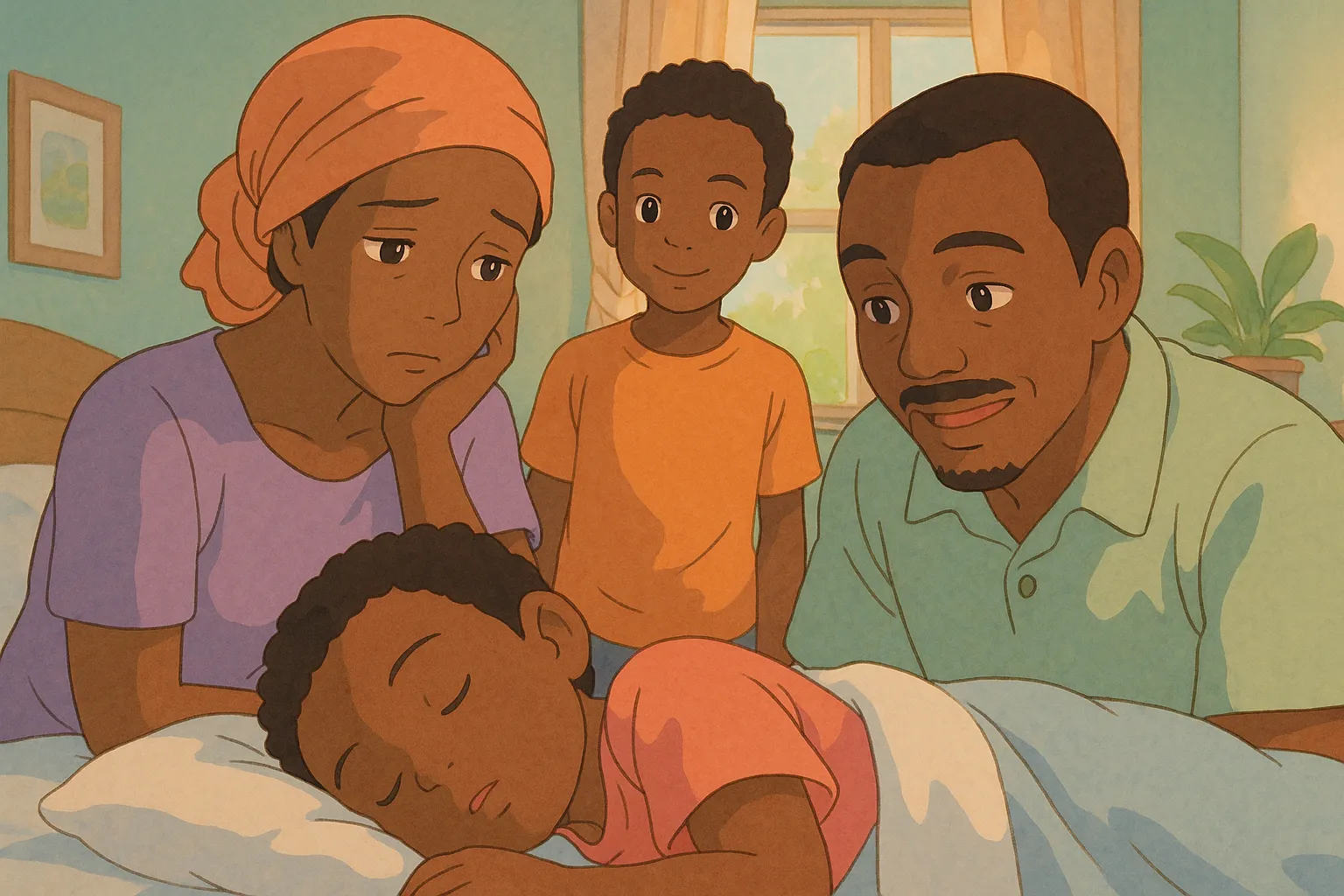
You look at your child sleeping peacefully, and a familiar ache settles in your chest. "I should have started earlier," you whisper to yourself. The guilt is heavy, real, and it whispers back: "It's too late now."
Let me tell you something you might not believe yet: it’s not too late. In fact, starting today is better than never starting at all.
Many parents in the diaspora carry this same guilt. They worry that the window for language learning has closed, that their child will never truly connect with their roots. But the truth is, the window never fully closes. The human capacity for language and connection is elastic, resilient, and waiting for your initiative.
1. The guilt is real—acknowledge it
Guilt is a sign you care. That ache means you want your child to know your language, your culture, your stories. It means you feel the weight of what could be lost. Acknowledge that feeling. Name it. "I feel guilty because I haven’t taught my child our language yet." Say it out loud. By acknowledging the guilt, you take away its power to paralyze you.
2. Why language learning has no deadline
Science tells us that the brain remains plastic throughout life. While early childhood offers a unique window for language acquisition, older children and adults can still learn languages deeply—especially when the motivation is emotional connection. Your child may not pick up the accent perfectly, but they will pick up the love embedded in every word you share.
Moreover, language learning is not just about vocabulary; it’s about identity. Every word you teach is a thread that ties your child to their heritage. That thread can be woven at any age. The emotional bond you build by sharing your language now can be even stronger because it’s a conscious choice, a gift you give despite the "late" start.
3. Three steps to start today
Small. Don't try to overhaul your life. Pick one word today. "Good morning" in your language. "I love you." One phrase. That’s it. Tomorrow, add another. Tiny steps are sustainable steps.
Consistent. Turn that one word into a daily ritual. Say it every morning. Use it when you tuck your child in at night. Consistency builds habit, and habit builds fluency.
Celebrate. When your child repeats that word, celebrate. Not with a big reward, but with a smile, a hug, a "You said it!" That positive reinforcement attaches joy to the language, making them want to learn more.
You don’t need to be fluent to start. You don’t need a curriculum. You just need to begin. Today.
The guilt you feel is not a verdict—it’s an invitation. An invitation to start now, to weave that first thread, to say that first word. Your child’s language journey doesn’t have a deadline; it has a starting point. And that starting point is today.