By Lionel Kubwimana
••4 min
Overwhelmed by teaching a heritage language? Bilingual books are a simple, science‑backed tool that can turn worry into hope—here’s how.
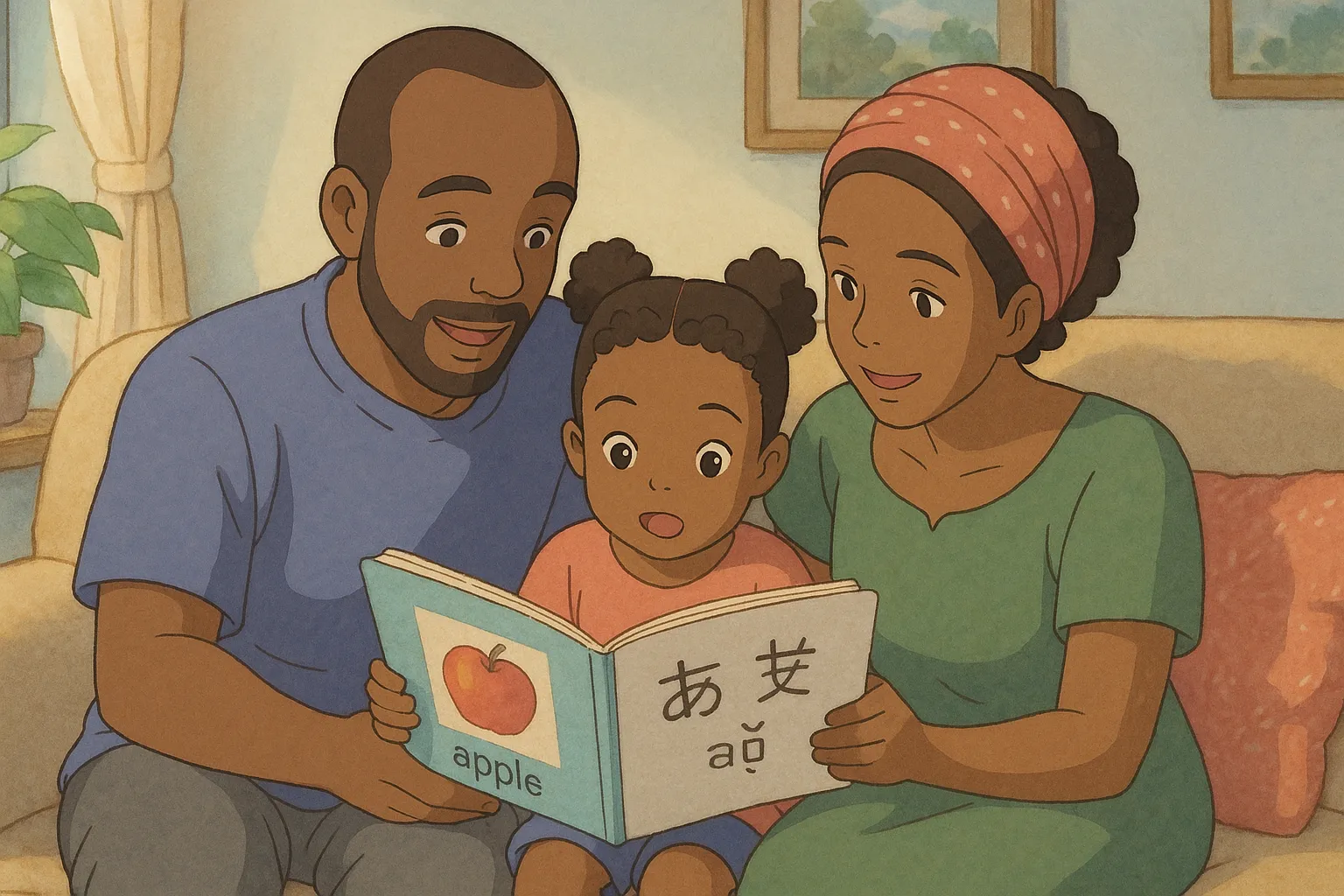
If you’ve ever tried teaching your child a heritage language with flashcards, apps, or formal lessons, you know the feeling: frustration when they lose interest, guilt when you miss a day, and worry that maybe it’s just not going to stick. Bilingual books offer a different path—one backed by science and steeped in warmth.
Cognitive research shows that dual‑language exposure strengthens metalinguistic awareness—the ability to think about language as a system. When children see the same story in two languages side‑by‑side, they naturally compare structures, spot cognates, and build bridges between their dominant language and the heritage tongue. This “cross‑language transfer” is why bilingual books are more effective than isolated vocabulary drills.
Studies by Ellen Bialystok and others have demonstrated that bilingual children often outperform monolingual peers on tasks requiring executive control—skills like attention, switching, and working memory. Bilingual books engage these circuits by asking the brain to navigate two linguistic codes within a single, coherent narrative.
Moreover, stories provide comprehensible input (a concept from Stephen Krashen’s language‑acquisition theory): language that is just slightly above the learner’s current level, delivered in a meaningful, low‑stress context. The illustrations give visual anchors, the plot supplies emotional hooks, and the repetition of key phrases across pages cements new vocabulary without overt memorization.
In short, bilingual books work because they treat language not as a subject to be studied, but as a world to be explored—exactly the way children learn best.
Not every bilingual book is right for every child. The perfect fit depends on your child’s age, existing proficiency, and interests. Here’s a quick guide:
Pro tip: Ask grandparents, aunts, or uncles for recommendations—they often know beloved classics that aren’t on Amazon. Online libraries like the African Storybook Project offer hundreds of free, downloadable bilingual titles.
You don’t need hours of dedicated “language time.” A consistent 10‑minute daily routine can create more progress than a weekly marathon. Here’s how:
Choose a cozy spot. Snuggle on the sofa, spread a blanket on the floor, or curl up in bed. The goal is to associate reading with comfort and connection.
Preview the book in your heritage language. Before you start reading, flip through the pages and point to key illustrations. Say the words for those objects in your target language: “Look, a nyoka (snake)! There’s the mti (tree).”
Read aloud slowly, pointing to each line. As you read, run your finger under the text in the heritage language. Read the English version only if your child seems confused. Pause after each page to talk about the pictures—again, using the target language whenever possible.
Ask simple questions. “Where is the paka (cat)?” “What color is the gari (car)?” “How do you think he feels?” Keep the questions concrete and answerable with a word or gesture.
End with a fun, language‑rich activity. Draw a favorite character together, act out a scene with stuffed animals, or sing a song that appears in the story. The goal is to extend the language experience beyond the page.
Set a timer for 10 minutes. When it rings, stop—even if you’re mid‑sentence. This keeps the routine light and leaves your child wanting more.
When you open a bilingual book with your child, you’re doing more than teaching vocabulary. You’re showing them that their heritage language belongs in the world of stories, imagination, and everyday life. You’re giving them proof that their language has a future—and that future is bright.
Start tonight. Pick a book, set a timer, and watch hope grow, one page at a time.