By Lionel Kubwimana
••4 min
Bilingual books are more than vocabulary lists—they're bridges between generations. Here's how to choose and use them.
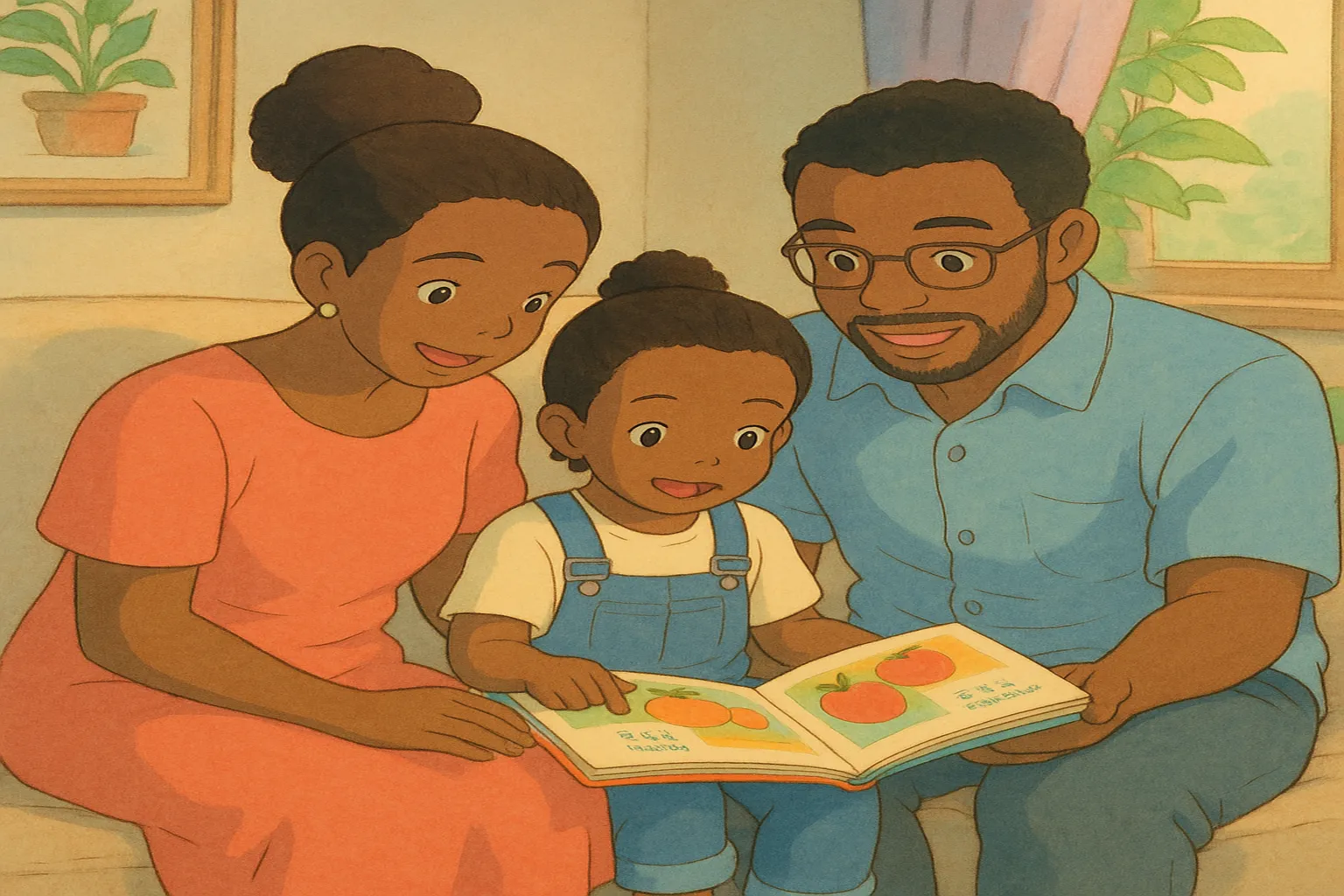
Bilingual books aren't just translations—they're bridges. For families in the diaspora, they offer a tangible way to connect children with their heritage language while building literacy in both tongues. The magic lies in how they combine visual storytelling with parallel text, turning a simple reading session into a rich, multi‑sensory language lesson.
When a child sees an illustration of a family sharing a meal while reading the same sentence in Kirundi and English, three things happen:
This trio of cues, repetition, and emotion transforms a book from a passive object into an active language partner.
Not all bilingual books are created equal. Look for these three qualities:
Story quality first. If the plot is dull or the characters feel flat, children won't return to it. Seek stories that would entertain even in a single language—humor, surprise, relatable conflict. A well‑told tale sells the language.
Cultural relevance matters. A book about snowmen might not resonate with a child whose roots are in East Africa. Instead, find stories that reflect everyday African life: sharing a meal, playing traditional games, visiting relatives. Authentic details make the language feel alive, not academic.
Age‑appropriate language. Toddlers need short, rhythmic sentences; school‑age kids can handle more dialogue and description. Check that the heritage‑language text matches the child's comprehension level—simple enough to follow, rich enough to stretch their skills.
A book that scores high on all three fronts will be pulled off the shelf again and again.
The real magic happens when you close the book. Here are three ways to extend the language practice:
1. Role‑play the story. After reading about a market scene, set up a pretend market at home. Use produce from the kitchen and take turns being the vendor and customer—speaking only in the heritage language. Kids learn vocabulary through play, and the pressure to perform disappears.
2. Connect stories to real life. If the book mentions a specific dish, cook it together. Name each ingredient in the target language as you chop and stir. Suddenly “recipe” vocabulary becomes edible and memorable.
3. Create “sequel” activities. Ask your child to draw what happens next, or invent a new character who joins the story. Write a few speech bubbles together, mixing the two languages just like the book does. This builds creative confidence alongside language skills.
Bilingual books are more than teaching tools—they're invitations. They invite children to step into their heritage with curiosity, not obligation. And they invite parents to share their own childhood stories, bridging generations with every page turned.