By Lionel Kubwimana
••5 min
A practical five-step guide for diaspora parents to teach their heritage language without overwhelm.
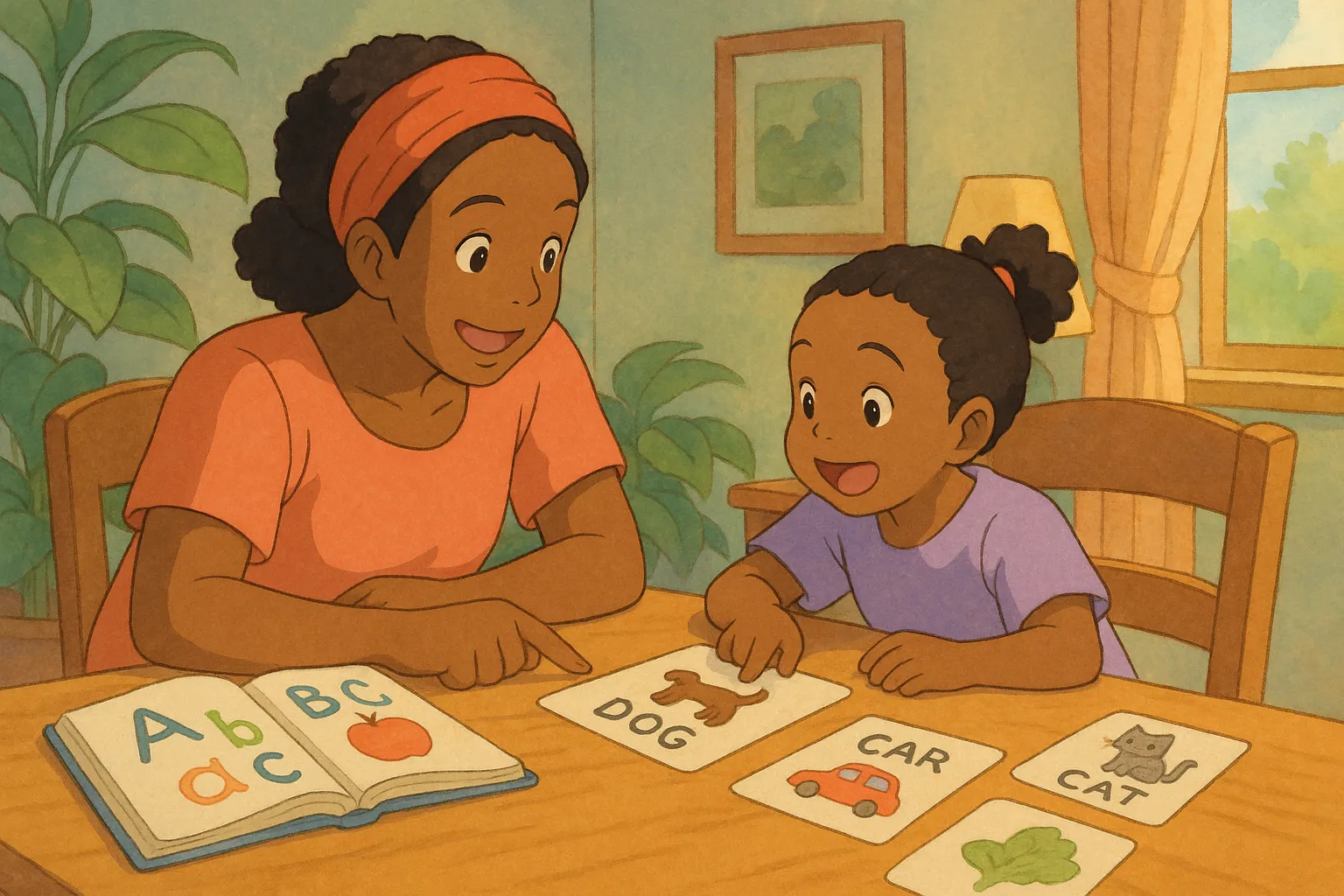
As a diaspora parent, you feel the quiet weight of responsibility: passing on your heritage language to your children. You want them to connect with their roots, to understand family stories, to feel at home in two worlds. But between school, work, and the daily rush, finding time and energy for language teaching can feel overwhelming. The good news is that you can make meaningful progress without turning your home into a classroom. Here’s a practical five‑step guide that works for busy families, built around small, sustainable habits.
Start by taking an honest look at how much of your heritage language already exists in your family’s weekly rhythm. Do you use it for greetings, weekend calls with grandparents, or certain meals? Write down the moments when the language naturally appears. Then set one small, achievable goal for the next month—for example, “We’ll speak our language during breakfast on Saturdays” or “I’ll teach my child five new food words by the end of the month.” The aim is progress, not perfection. If your child is resistant, start even smaller: a welcome-home phrase, a bedtime “goodnight” in your mother tongue. Celebrate each tiny win. Tracking your efforts in a simple notebook can help you see how far you’ve come, and it reminds you that every minute counts.
You don’t need to carve out extra hours. Instead, weave language into existing routines. While you’re cooking, name ingredients and utensils in your heritage language. During the commute, play a favorite song or tell a short story. At bedtime, read a bilingual book—just a page or two. These “language moments” take seconds, but they add up. They also show your child that the language belongs in everyday life, not just in “lessons.” Keep the tone light and playful. If your child mixes languages or makes mistakes, smile and repeat the correct word gently. The goal is to build positive associations, not to correct every error.
Technology can bridge the distance between your family and the wider language community. Look for child‑friendly apps, YouTube channels, or podcasts that feature your heritage language. Many diaspora parents create private WhatsApp groups where they share stories, voice notes, and tips. Reach out to local cultural associations or places of worship—they may offer weekend classes or playgroups. If grandparents live far away, schedule regular video calls where they can tell simple stories or sing nursery rhymes. These connections give your child authentic exposure and remind them that the language is alive beyond your home.
There will be days when your child refuses to speak the heritage language, or when you feel too tired to keep going. Instead of seeing this as failure, treat it as a chance to adjust your approach. Maybe your child needs more visual aids, like picture books or flashcards. Maybe you need to involve them in choosing the next “language moment”—let them pick the song or the recipe. And remember that your own relationship with the language matters. If you feel rusty or self‑conscious, practice alongside your child. Listen to music, watch a film, or join an online language‑exchange session. Your enthusiasm and curiosity will be contagious.
Fluency is a long‑term goal, but the real magic happens in the small steps. When your child uses a new word correctly, when they recognize a family proverb, when they ask a question in your heritage language—those are victories worth celebrating. Take photos, record voice notes, write down those moments in your language journal. Share your wins with other diaspora parents; your story can inspire them, just as theirs can encourage you.
Keeping your heritage language alive isn’t about perfection. It’s about creating a bridge between generations, preserving a piece of your family’s soul, and giving your child the gift of belonging. Start with one small step today, and trust that consistency will build something beautiful over time.