By Lionel Kubwimana
••4 min
Overwhelmed by teaching a language? Start with just three words a day. This micro‑habit builds confidence for you and your child.
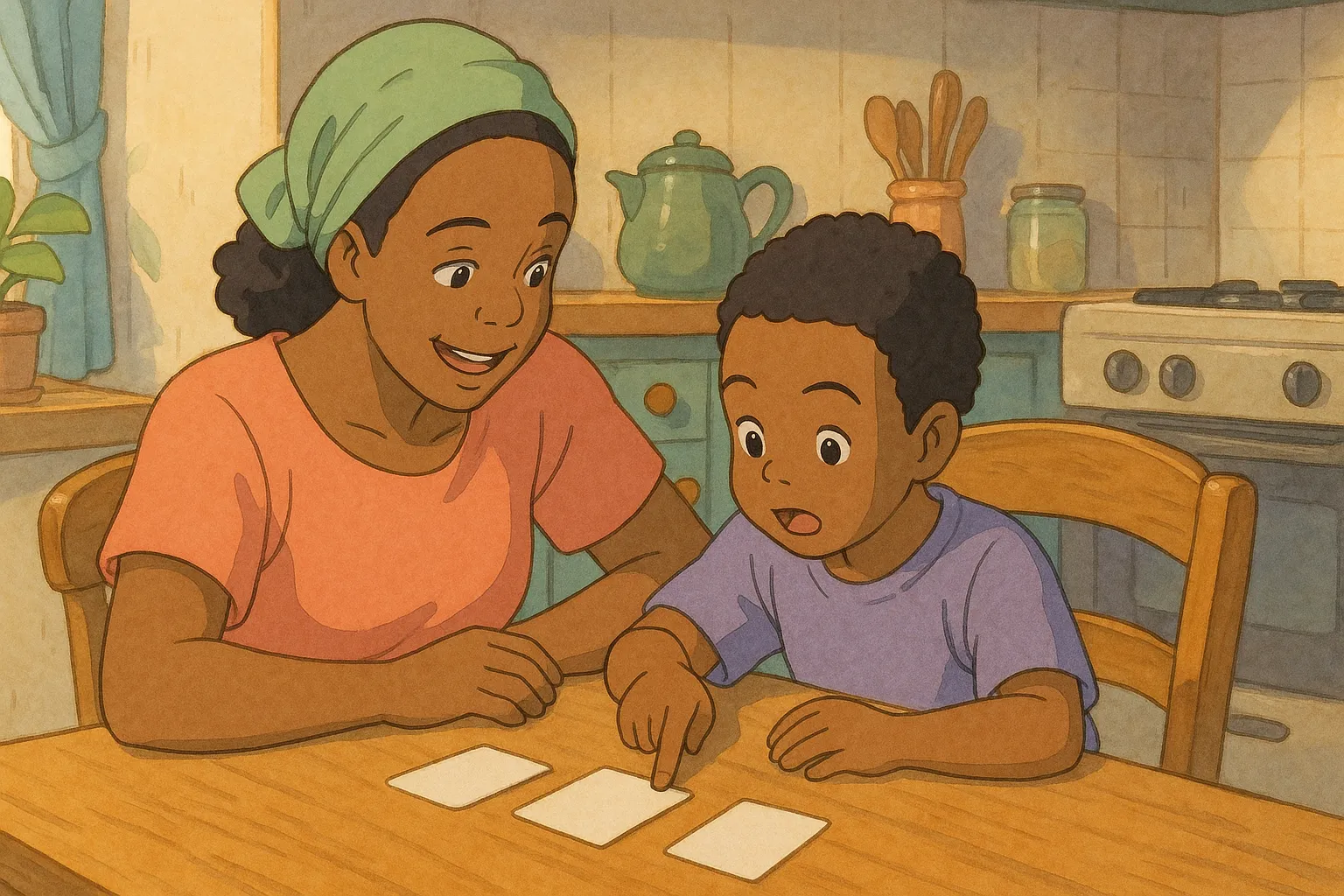
If you’ve ever tried to teach your child an African language while juggling work, school runs, and household chaos, you know the feeling: “I should be doing more… but I don’t have the energy for a full lesson today.”
That guilt is why so many diaspora parents give up. We set the bar too high, then feel defeated when we can’t clear it.
What if, instead of aiming for fluency in a year, you aimed for three words this week?
Not thirty. Not three hundred. Three.
“Three words a day” isn’t a watering‑down of your goal—it’s a psychological hack that turns language transmission from a monumental task into a daily game you can actually win.
Our brains are wired to seek completion. When a task feels too big, we procrastinate or avoid it altogether. But when it’s small enough to finish in minutes, we get a dopamine hit from checking it off.
Three words is that sweet spot:
This “tiny habit” approach bypasses the overwhelm and builds something more valuable than vocabulary: confidence. Every day you succeed, you strengthen the belief that “yes, I can pass this language on.” And your child feels that confidence too.
Not all words are created equal. Choose words that:
a) Your child already interacts with
Start with the tangible. Point to the object, say the word in your language, have your child repeat it. No grammar, no sentences—just the word.
b) Have emotional resonance Words tied to daily rituals stick better. “Good morning,” “I love you,” “thank you” carry warmth and connection.
c) Are phonetically friendly If your language has sounds that are tricky for English mouths, start with simpler ones. Success early on encourages more attempts.
Kids learn through play, not pressure. Here’s how to make those three words stick:
Flashcards with a twist Draw the object on one side, write the word on the other. Use them during snack time or taped to the fridge.
Sticky‑note labeling Label a few household items each week. The visual reminder helps both of you.
Real‑life moments When your child reaches for a cup, say the word. When they run, say “run!” in your language. Embed the word in the action.
The “repeat‑after‑me” game Make it silly. Say the word in a funny voice, have your child echo it. Laughter erases the “this is homework” feeling.
Weekly review Every Sunday, revisit the past week’ drops words. Celebrate how many you’ve collected.
Three words a day feels insignificant. But language isn’t built in leaps; it’s built in whispers. Those whispers, repeated daily, become a chorus.
In six months, you’ll have a core vocabulary that lets your child understand simple stories. In a year, they’ll be able to express basic needs and feelings. And you’ll have done it without burnout, without guilt, and with the joy of sharing something precious.
Pick them today. Right now. Choose words your child will use before bedtime.
Then tomorrow, pick three more.
That’s how you build a bilingual future—not in a frantic sprint, but in small, sure steps.