By Lionel Kubwimana
••4 min
This week, pick one proverb from your heritage and share it at dinner. See how a single sentence carries generations of cultural pride.
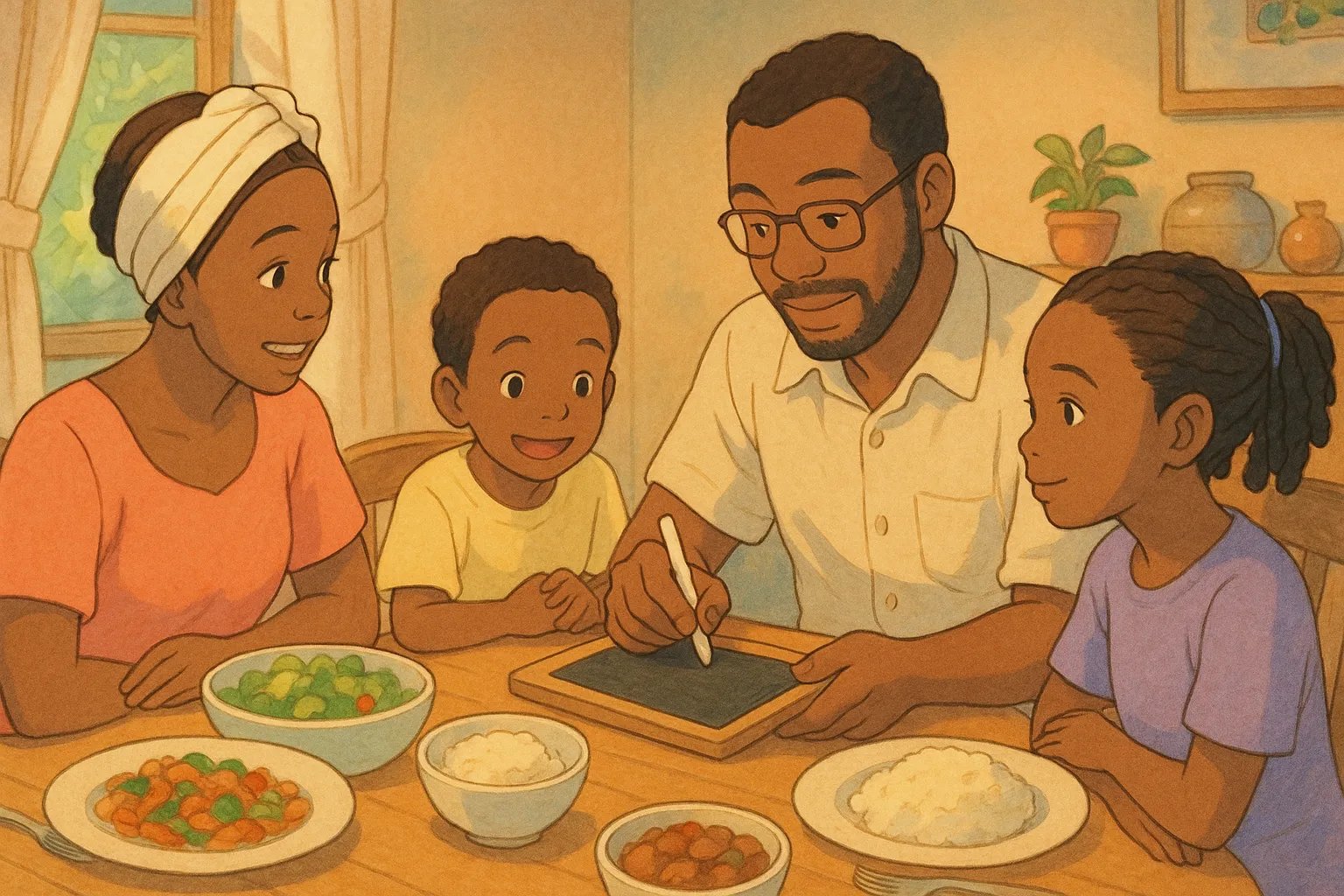
Proverbs are more than just wise sayings; they are compact cultural capsules that carry generations of wisdom, values, and worldview in a single, memorable sentence. Unlike vocabulary lists, which can feel like a chore, proverbs engage children’s imagination and curiosity. They tell a story, convey a moral, and connect to everyday situations, making them far easier to remember and internalize.
Every culture has its own collection of proverbs—short, pithy statements that capture a universal truth through a local lens. In African traditions, proverbs often draw from nature, family, and community life, embedding complex ideas in imagery that feels familiar. Because they are story‑based, they activate narrative memory, which is much stronger than rote memorization. When a child hears “It takes a village to raise a child,” they don’t just learn the words; they absorb a whole philosophy of communal responsibility.
Vocabulary lists, by contrast, present words in isolation, stripped of context and emotional weight. Proverbs give those words a purpose—a reason to be remembered. They also model grammar, idiomatic expressions, and cultural nuances that textbooks rarely capture.
The key to making a proverb resonate is relevance. A proverb about patience will mean little to a toddler in the middle of a meltdown, but one about sharing might hit home. As children grow, their concerns shift—from playground friendships to school pressure, from sibling rivalry to personal identity. Matching the proverb to the moment makes it feel less like a lesson and more like a shared insight.
For young children (3–6): Look for proverbs about animals, nature, or simple moral choices. Examples: “Little by little, the bird builds its nest” (persistence) or “A single hand cannot tie a bundle” (cooperation).
For school‑age kids (7–12): Choose proverbs that relate to fairness, honesty, or effort. “The wise man builds bridges, the fool builds walls” can spark a conversation about solving conflicts.
For teenagers (13+): Proverbs about trust, loyalty, and self‑reliance resonate. “A tree is known by its fruit” invites reflection on actions and reputation.
You don’t need a formal lesson to bring a proverb to life. A simple, repeatable ritual at dinner can weave it into your family’s daily rhythm.
Explain (2 minutes): Share the proverb in your heritage language. Say it slowly, and give a literal word‑for‑word translation. For example, “Mwana ulanji mpele” (Kiswahili) → “A child is like a arrow you shoot.”
Translate (3 minutes): Discuss what it really means. “This isn’t really about arrows; it’s about how the way we raise children shapes where they go in life.”
Apply (5 minutes): Ask your child to think of a recent situation where the proverb would have been helpful. “Can you remember a time when something you learned at home helped you somewhere else?”
That’s it—ten minutes, once a week. Over time, these proverbs become part of your family’s shared language, a living bridge to your heritage.
Start this week. Pick one proverb from your own background, try the dinner‑table ritual, and watch how a single sentence can carry more cultural pride than an entire textbook.