By Lionel Kubwimana
••4 min
Equip your child with simple, confidence‑building responses that turn teasing into pride in their heritage language.
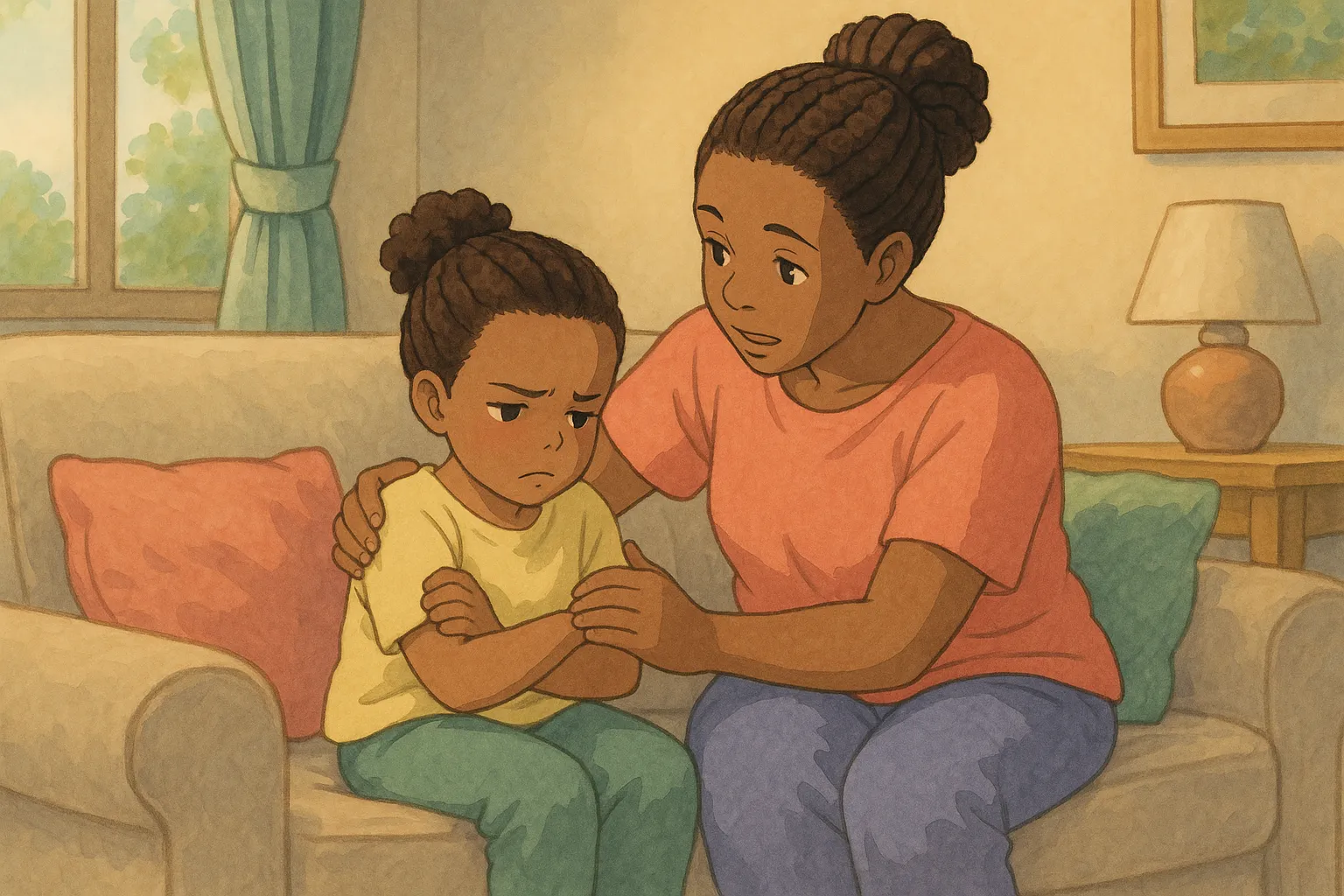
Teasing about language isn't just about words—it's about identity. When your child speaks your family's language and gets mocked for it, they feel a double sting: the embarrassment of being different, and the fear of losing a cherished part of who they are. That hurt is real, and it's okay to admit it.
Children often tease because they don't understand. They might hear unfamiliar sounds and react with curiosity that turns into ridicule. Others might repeat teasing they've seen elsewhere. Regardless of the reason, the impact is the same: your child starts to associate their language with shame.
The first step is validating their feelings. Say, "It's okay to be angry. What they said wasn't fair." Anger is a normal response to injustice. By acknowledging it, you give your child permission to feel—and then to move forward with strength.
Arm your child with replies that are easy to remember and hard to argue with. The goal isn't to win a debate, but to shut down the teasing gracefully.
Comeback #1: “This is how my family talks. It's special to us.” Simple, proud, non‑confrontational. It shifts the focus from “weird” to “special.”
Comeback #2: “You can laugh if you want, but I can speak two languages. How about you?” A gentle reminder of their bilingual advantage, delivered with a smile.
Comeback #3: “I’m not going to stop speaking my language. You don’t have to listen.” A firm boundary that leaves no room for further teasing.
Practice these lines at home. Role‑play different scenarios until your child can say them without hesitation. The more confident they sound, the less likely the teasing will continue.
Teasing happens outside, but pride is built inside. Make your language a celebrated part of daily life.
Over time, your child will internalize a simple truth: speaking your language isn't a weakness—it's a superpower. And when they believe that, no tease can shake them.
Remember: You're not just teaching a language; you're gifting an unshakable sense of belonging. And that's something no one can tease away.