By Lionel Kubwimana
••4 min
Recognize the three subtle signs that your child's heritage language is fading—and what you can do to turn it around.
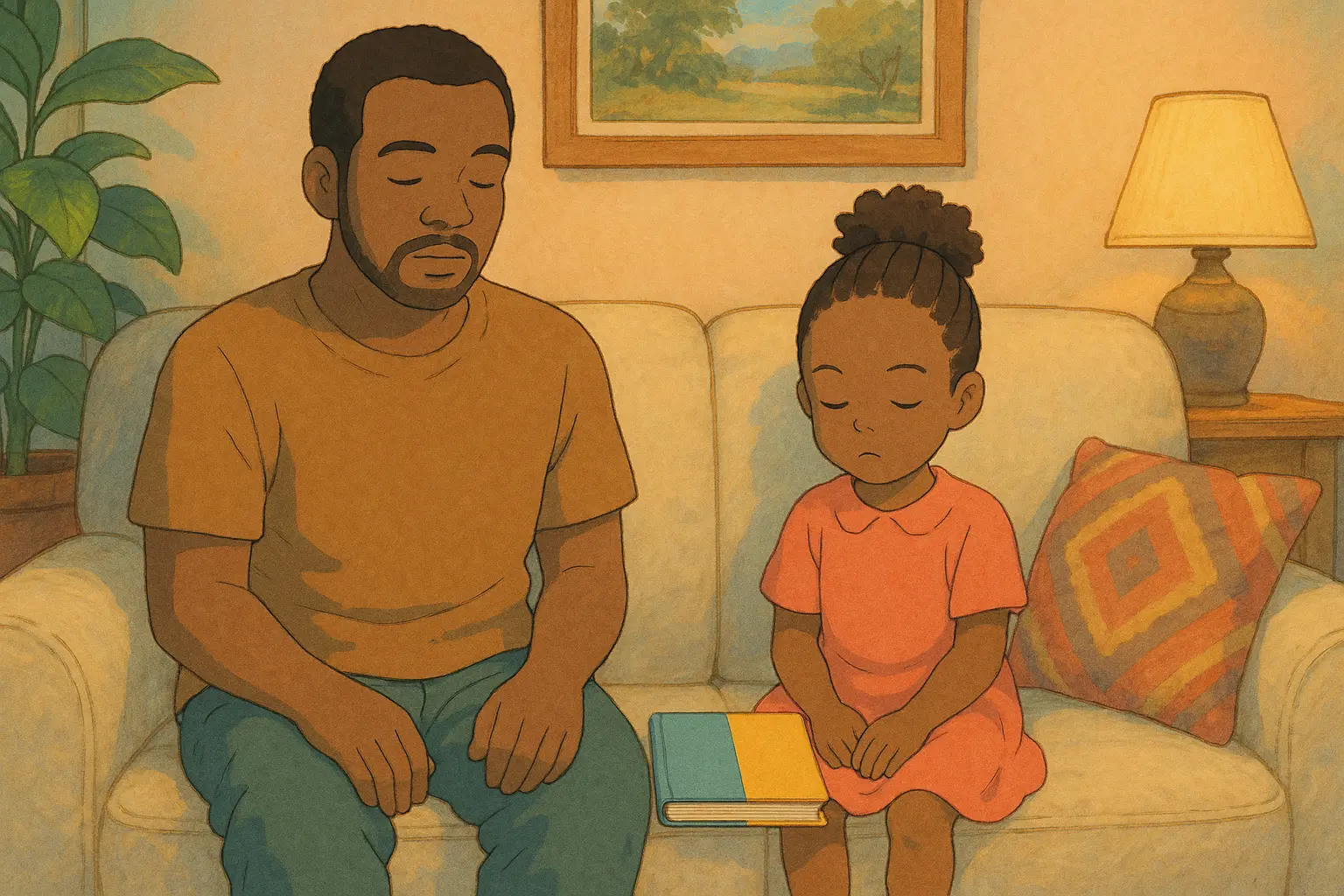
As a parent in the diaspora, you've probably felt that quiet fear—the nagging worry that your child is slowly losing the language you grew up with. It doesn't happen overnight. It's a slow drip, a subtle shift that creeps in until one day you realize something precious is slipping away.
Recognizing the signs early can make all the difference. Here are three subtle indicators that your child's heritage language might be fading—and what you can do to turn it around.
You start noticing that your child uses fewer heritage words. They might mix languages more, or default to the dominant language for everyday things. Words they used to know—like “umva” (hear) or “komeza” (continue)—seem to have vanished from their active vocabulary.
This isn't about forgetting a few words; it's about a shrinking linguistic toolkit. When the heritage language becomes limited to a handful of phrases, it loses its expressive power. The child can't describe complex feelings or tell a detailed story in that language, which makes them less likely to use it at all.
What you can do: Turn daily routines into language moments. Label objects around the house, play “word of the day” games, and read bilingual books together. The goal isn't fluency overnight—it's about keeping the words alive and in use.
The heritage language starts feeling “foreign” to your child. They might resist speaking it, rolling their eyes or responding in the dominant language. It's not just rebellion; it's coincidence that they no longer feel a personal connection to the language.
When a language feels distant, it's often because it hasn't been tied to positive, meaningful experiences. If heritage language time feels like homework or obligation, the child will push back. They need to associate the language with joy, connection, and identity.
What you can do: Create positive, low-pressure language experiences. Watch cartoons or movies in the heritage language, listen to music, cook traditional recipes together while using the words for ingredients and steps. Make it fun, not a chore.
Your child doesn't see the heritage language as “theirs.” They might say things like, “That's your language, not mine,” or feel embarrassed to use it in front of peers. This is about more than language—it's about identity.
When a child disowns their heritage language, they're often struggling with a bigger question: “Where do I belong?” In a world that values assimilation, holding onto a minority language can feel like standing out in the wrong way.
What you can do: Normalize the language in your home. Speak it freely, share stories about your own childhood, and connect them with other kids who speak the same language. Help them see that multilingualism is a superpower, not a burden.
Language loss isn't inevitable. It's a choice—often an unconscious one—that we can reverse with intention and consistency. Start small: choose one of the signs above and focus on it for a week. Notice what changes.
Remember, you're not just teaching words; you're passing on a worldview, a connection to family, and a sense of belonging. That's worth every effort.
Lionel Kubwimana is the founder of Lingu.Africa, creating bilingual books and resources to help diaspora families keep African languages alive.