By Lionel Kubwimana
••4 min
For diaspora parents who feel they've missed the window: how to turn guilt into a practical, sustainable language habit.
Many parents in the diaspora feel a deep, nagging guilt: "I should have taught my child our language from birth." That guilt often comes from a place of love—wanting to pass on heritage, culture, and connection—but it can also be paralyzing. When you're already juggling work, school, and the demands of life in a new country, adding "language teacher" to your list can feel overwhelming. The result? You put it off, the child grows older, and the guilt grows heavier.
But here's the truth: guilt is a signal, not a sentence. It tells you something matters. Instead of letting it freeze you, use it as fuel. The very fact that you feel this guilt means you care deeply—and that's the first ingredient for change.
For years, the "critical period" hypothesis suggested that language learning had an expiration date, roughly around puberty. Modern neuroscience tells a different story: while early childhood offers a unique window for accent‑free fluency, the brain remains plastic throughout life. Adults—and older children—can absolutely learn new languages, and they often do so with greater efficiency because they can leverage existing knowledge, metacognitive strategies, and intentional practice.
What's more, the emotional benefits of learning a heritage language are immense. For a child, hearing a parent's native tongue can strengthen attachment, build identity, and create a sense of belonging. It's not about achieving perfect grammar; it's about creating moments of connection that say, "This is part of who we are."
Sing one song. Pick a simple childhood song in your language. Sing it while you're driving, bathing your child, or cooking dinner. Don't worry about being "educational"—just make it fun. Repetition is your friend.
Label three objects. Choose everyday items (e.g., "door," "cup," "ball") and say their names in your language when you use them. Point and say the word together. Three words a day is enough to start building recognition.
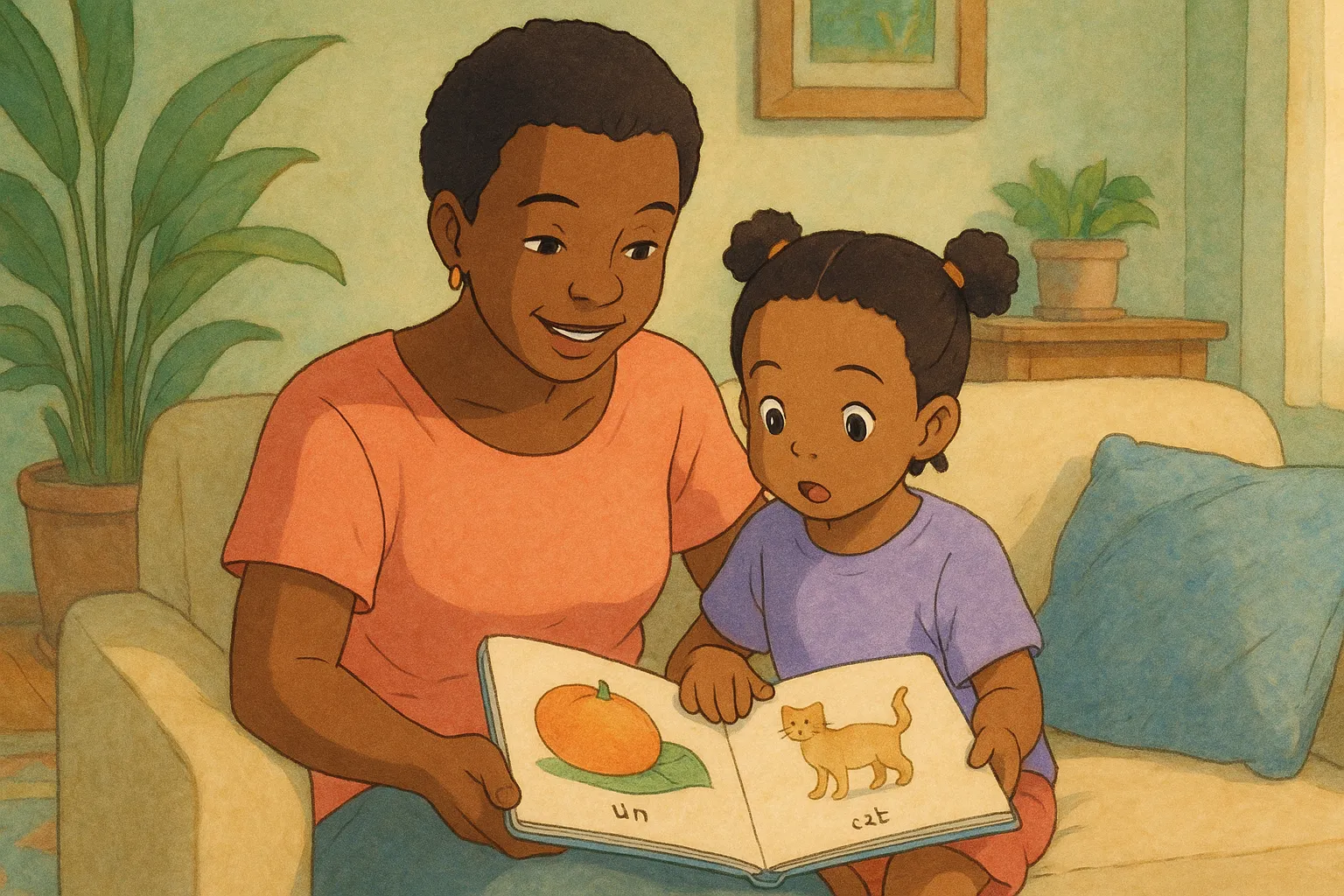
Read a picture book together. Find a bilingual picture book (or even a regular book) and read it aloud. Let the images carry the meaning. If you don't have a book, use a photo album and tell stories about the people and places in your family's history.
The goal isn't fluency in a week. It's consistency over time. Three minutes today, three minutes tomorrow—those minutes add up, and they shift the narrative from "I missed my chance" to "We're learning together, right now."