
The 3 Multilingual Parenting Mistakes Every Diaspora Parent Makes (And How to Fix Them)
By Lionel Kubwimana
••4 min
Discover the subtle errors that undermine your bilingual efforts—and simple shifts to make your language stick.
KEY HIGHLIGHTS
- •Spot the three most common mistakes that sabotage bilingual parenting.
- •Learn why consistency matters more than perfection.
- •Get actionable fixes you can start today.
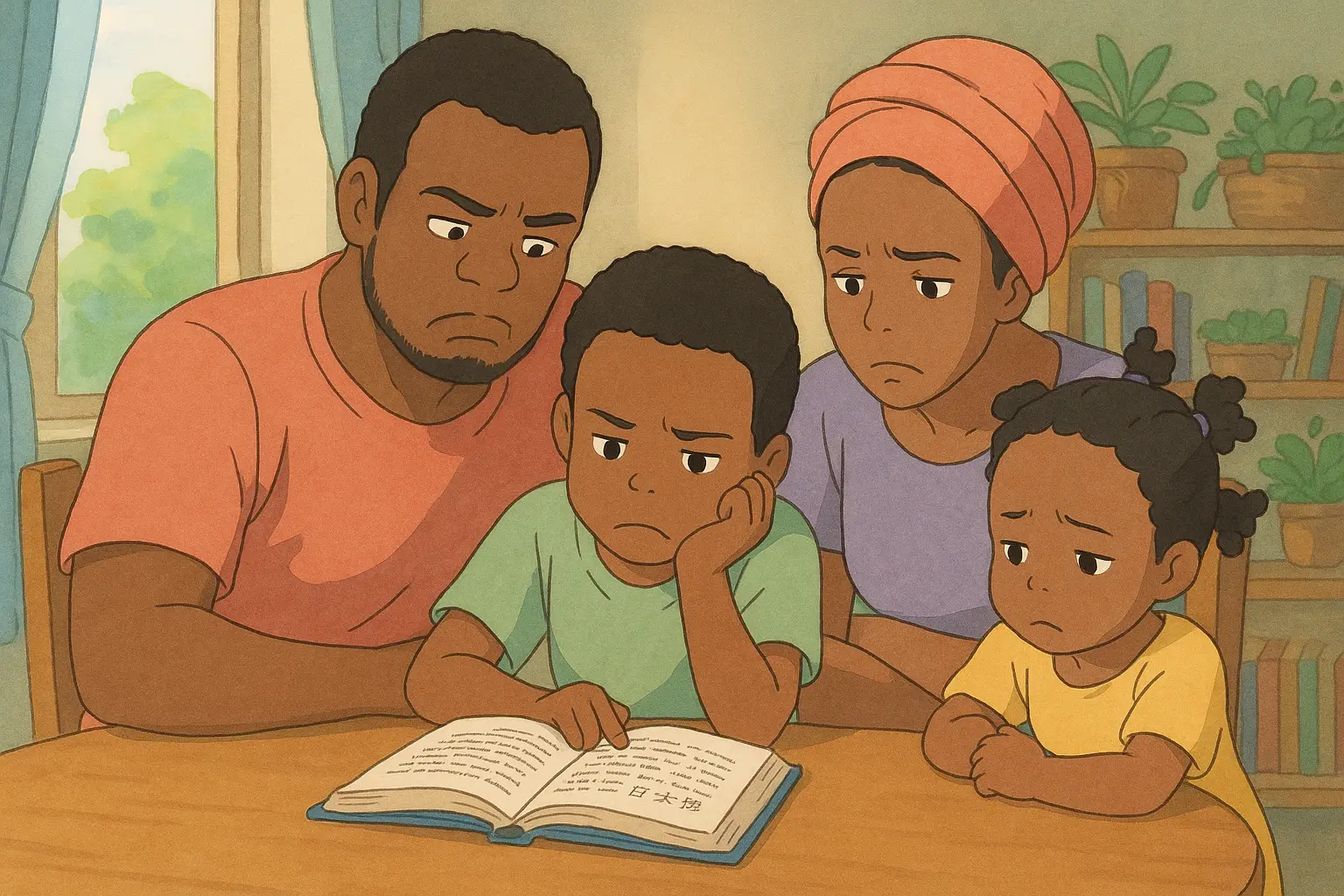
If you're a diaspora parent trying to raise bilingual children, you've probably felt the frustration: you speak your heritage language at home, play songs, label objects—yet your child still responds in English. It’s not for lack of effort; it’s often because of subtle, invisible mistakes that undermine your language transmission. This post uncovers three common errors that even committed parents make, and offers simple, actionable fixes to turn your bilingual journey around.
Mistake 1: Inconsistent language boundaries (mixing languages within the same sentence)
Many parents believe that any exposure is good exposure, so they switch between languages within a single conversation—or even within a single sentence. This “code‑switching” feels natural, but for a child’s developing brain, it blurs the lines between languages. If English words frequently appear when you’re trying to speak Swahili, your child learns that Swahili is optional, not essential.
Fix: Pick clear contexts for each language. “At the dinner table, we speak only Kinyarwanda.” “During bath time, we sing in French.” Consistency creates predictable language “zones” that help the child associate each language with specific moments, people, or activities. Start with one daily ritual and expand gradually.
Mistake 2: Over‑correction (focusing on grammar over connection)
When your child tries to speak your language and makes a grammatical error, your instinct may be to correct them immediately. “No, it’s ‘I am going,’ not ‘I is going.’” While well‑intentioned, constant correction shifts the focus from communication to perfection, making language feel like a test rather than a tool for connection. Children quickly learn that speaking the heritage language leads to criticism—so they stop trying.
Fix: Praise the attempt, not the accuracy. When your child says something in your language, respond first to the meaning: “You want water? Great! Let’s get water.” Model the correct form naturally in your reply, without highlighting the mistake. Keep the emotional reward high; grammar will follow over time.
Mistake 3: Waiting for “perfect” moments (instead of weaving language into messy, everyday life)
Many parents wait for quiet, focused moments to “teach” the language—reading a bilingual book together, doing a language‑learning app. But life with kids is messy and unpredictable. If you only speak your language during those curated moments, you’re missing hundreds of daily opportunities: while cooking, driving, tidying up, or even during sibling squabbles.
Fix: Embed your language in the mundane. Describe what you’re doing as you chop vegetables, comment on the weather as you walk to the car, use simple phrases during routine transitions. The goal isn’t perfect lessons; it’s density of exposure. When language becomes part of the background noise of daily life, acquisition happens naturally.
Conclusion:
Raising bilingual children in the diaspora is a marathon, not a sprint. By tightening language boundaries, shifting from correction to connection, and weaving your heritage tongue into everyday routines, you can transform frustration into fluency. Remember, consistency matters more than perfection. Start with one small fix today—and watch your child’s language confidence grow.