
Grandma's Stories: How One Childhood Tale Can Spark Your Child's Language Love
By Lionel Kubwimana
••4 min
Unlock the power of a single family story to build emotional connection and language fluency your child will remember.
KEY HIGHLIGHTS
- •Discover why one well‑told story beats a dozen vocabulary drills.
- •Learn how to choose the right story from your own childhood.
- •Get a simple three‑step method to tell it with confidence.
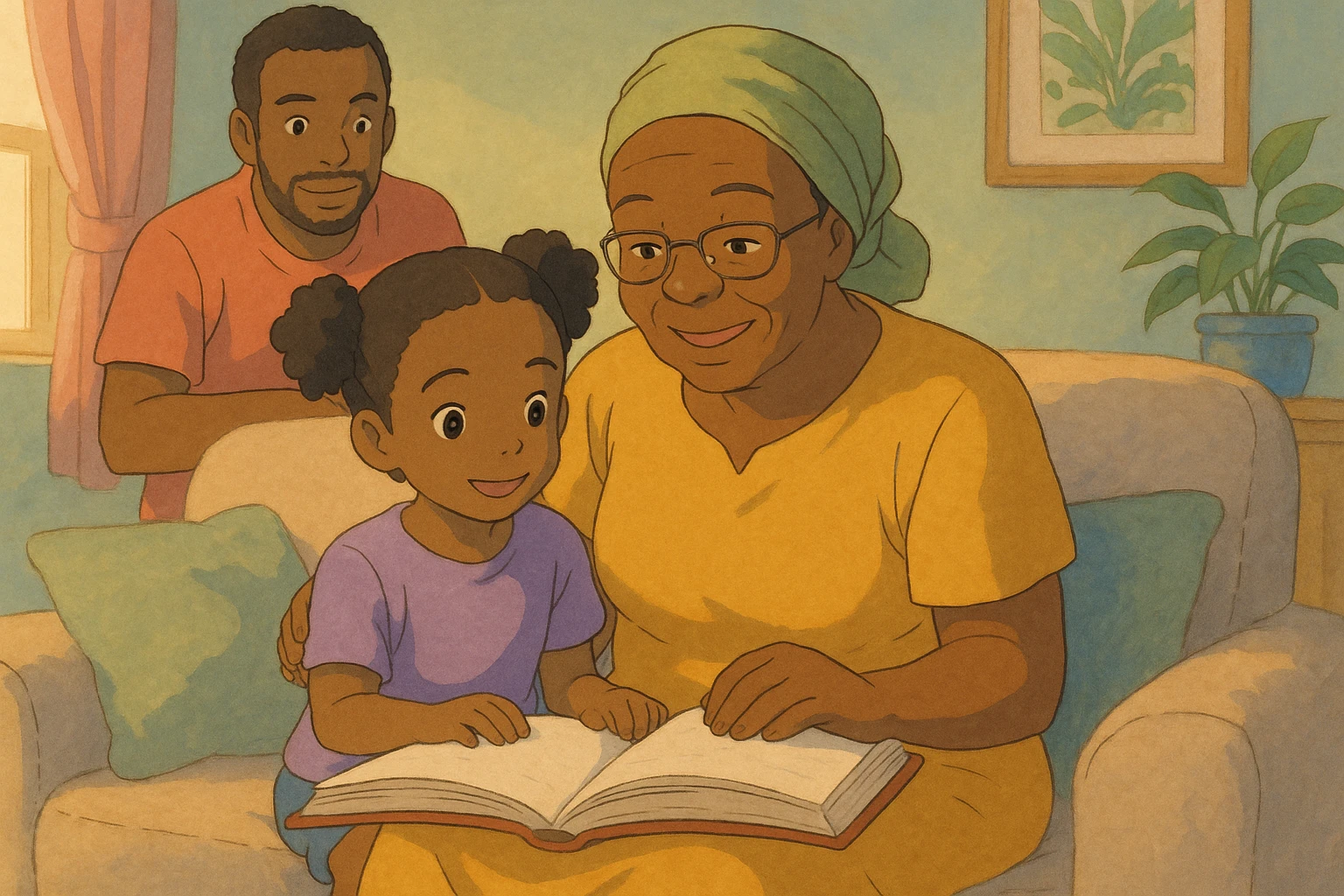
Remember the story your grandmother told you about the clever hare? That same story can become your child’s favorite—and a bridge to your language. Family stories carry a unique emotional weight that textbooks and vocabulary drills can’t match. When a story is wrapped in nostalgia, love, and personal connection, children listen with their whole hearts. That emotional engagement is the secret sauce for language learning.
Repetition happens naturally because children ask for the same story again and again. Each retelling reinforces vocabulary, sentence structures, and cultural nuances without feeling like a lesson. The story becomes a familiar anchor in the new language, making unfamiliar words feel like old friends.
How to Pick the Right Story
Not every childhood tale is equally suited for language teaching. Look for stories that are:
- Simple – A clear beginning, middle, and end that a young child can follow.
- Vivid – Rich with imagery, sounds, and actions that paint a mental picture.
- Culturally resonant – Reflects your family’s values, humor, or traditions.
Think back to the stories you begged to hear over and over. Often they’re the ones where a character outsmarts a problem, a kindness is rewarded, or a silly mistake leads to laughter. Those are the stories that stick—and the ones your child will want to hear again.
The Three‑Step Telling Method
Once you’ve chosen your story, this simple method will help you tell it with confidence.
1. Set the scene
Before you begin, take a moment to describe where the story takes place. “This happened a long time ago, in a village just like ours.” Use your hands to point out imaginary mountains, rivers, or houses. The more vivid the setting, the deeper your child will sink into the story.
2. Use your voice
Vary your tone, speed, and volume to match the action. Whisper when the hare is hiding, shout when the hyena is chasing, slow down when the grandmother gives advice. Your voice is your most powerful tool for keeping your child engaged.
3. Leave space for questions
Pause after key moments. Ask, “What do you think the hare will do next?” or “Why do you think the grandmother smiled?” These pauses give your child time to process the language and make the story their own.
One well‑told family story can do more for language connection than a dozen vocabulary drills. It builds emotional bonds, creates joyful repetition, and turns language learning into an act of love. So tonight, instead of reaching for a flashcard, reach for a memory—and watch your child’s language love spark to life.