By Lionel Kubwimana
••4 min
Reframe corrections as a sign of your child's growing ownership of the language, and turn those moments into playful language games.
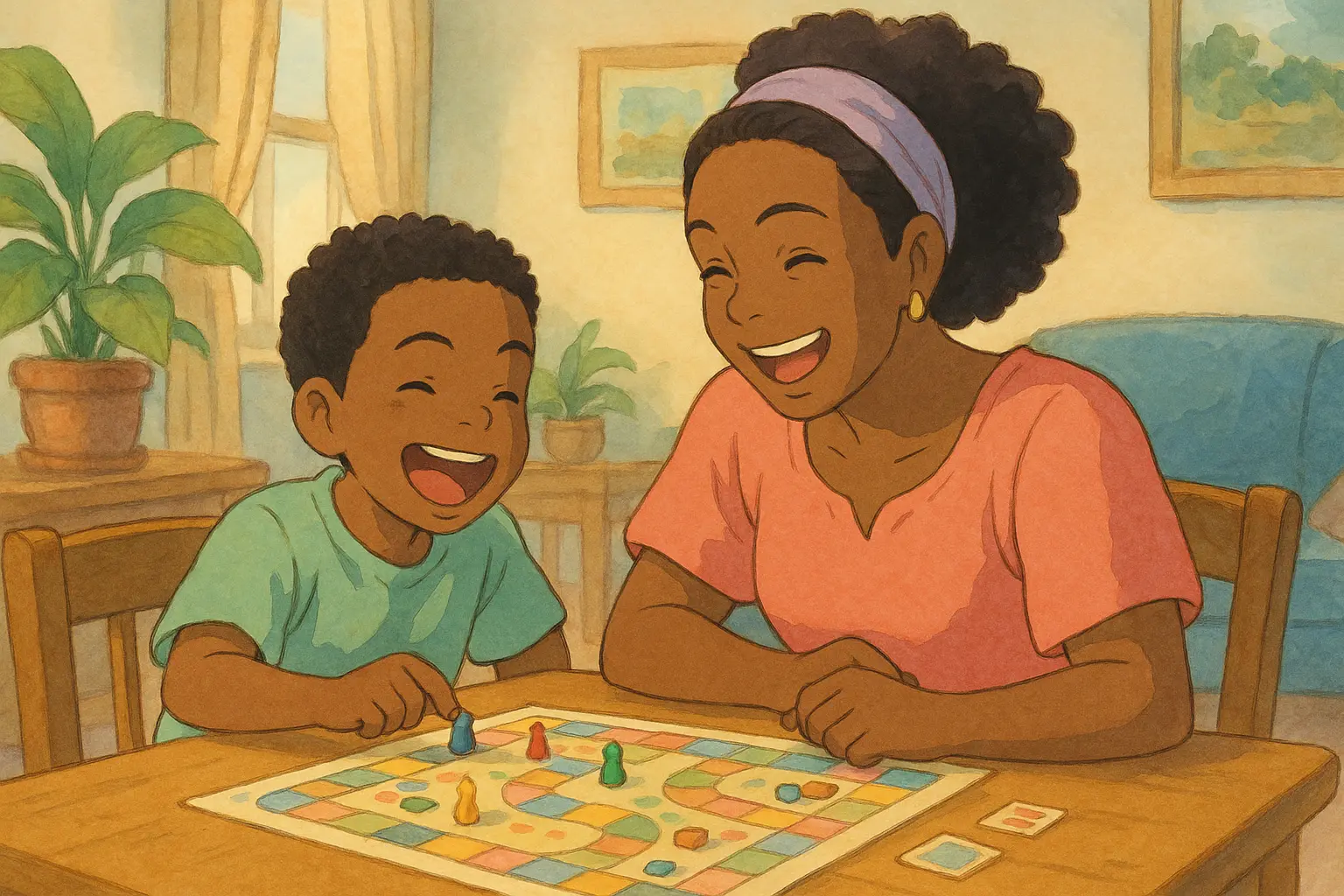
When your child corrects your pronunciation in your native language, it can feel like a small sting—a moment of vulnerability. After all, this is the language you grew up with, the one that carries your memories and identity. To have your own child, who is still learning, point out your "mistake" can trigger defensiveness or even embarrassment.
But pause for a second. What your child is doing is not disrespect; it’s a sign of ownership. They’re paying close attention to the sounds of the language, internalizing its patterns, and building the confidence to engage with it actively. That correction is evidence that the language is becoming theirs, not just something they hear from adults. It means they care enough to get it right—and that’ lies the real victory.
In many multilingual households, children often become the "language police" because they’re immersed in a learning environment where correctness is reinforced at school or in peer groups. They’re absorbing rules and patterns with a fresh ear, unburdened by the accents and shortcuts that adults naturally adopt over time. So instead of seeing the correction as a critique, reframe it as a celebration: your child is claiming the language as their own.
Your reaction in that moment matters more than the correction itself. If you respond with irritation or dismissiveness, you risk teaching your child that language accuracy isn’t important—or worse, that their observations aren’t welcome. On the other hand, if you meet their correction with curiosity and playfulness, you turn it into a bonding opportunity.
Start by thanking them. "Wow, you have a good ear! How did you notice that?" This validates their attention to detail and encourages them to keep listening closely. Then, invite them to teach you: "Can you say it again so I can hear the difference?" This flips the script from correction to collaboration.
If you’re not sure whether their correction is actually right (sometimes kids overgeneralize rules), make it a joint investigation. Look up the pronunciation together, listen to a recording, or ask another family member. This models humble learning and shows that everyone, including parents, can be students of language.
Above all, keep the tone light and curious. A simple "Oops, thanks!" followed by a genuine attempt to repeat the word correctly keeps the conversation open and joyful.
Once you’ve navigated the initial moment, you can turn these corrections into a regular language game. Here are a few ideas:
The Pronunciation Challenge: When a correction happens, challenge each other to say the word three times in a row, each time trying to get closer to the "perfect" sound. Whoever gets the closest wins a point (or just a high‑five).
Echo Chamber: One person says a word, the other repeats it, then you swap. See how many rounds you can go before someone slips. This turns focus into fun.
Accent Swap: Play with saying the word in different accents (a funny voice, a whisper, a sing‑song tone). It takes the pressure off “correctness” and reminds everyone that language is flexible and playful.
Storytelling with Corrected Words: Take the corrected word and invent a quick, silly story around it. "Once upon a time, there was a giant who loved to eat… mmm… 'mboga'!" (using the newly practiced pronunciation).
These games do more than just drill pronunciation; they create positive associations with the language. They remind your child—and you—that speaking your native language is about connection, not perfection.
When your child corrects your pronunciation, they’re not pointing out a flaw. They’re inviting you into their world of learning, showing you that the language you share is alive and growing. Embrace those moments. Laugh about them. Turn them into games. And know that every correction is a tiny victory: another step toward your child owning the language for a lifetime.