By Lionel Kubwimana
••4 min
A guide for diaspora parents to use language as a tool for building strong cultural identity in their children.
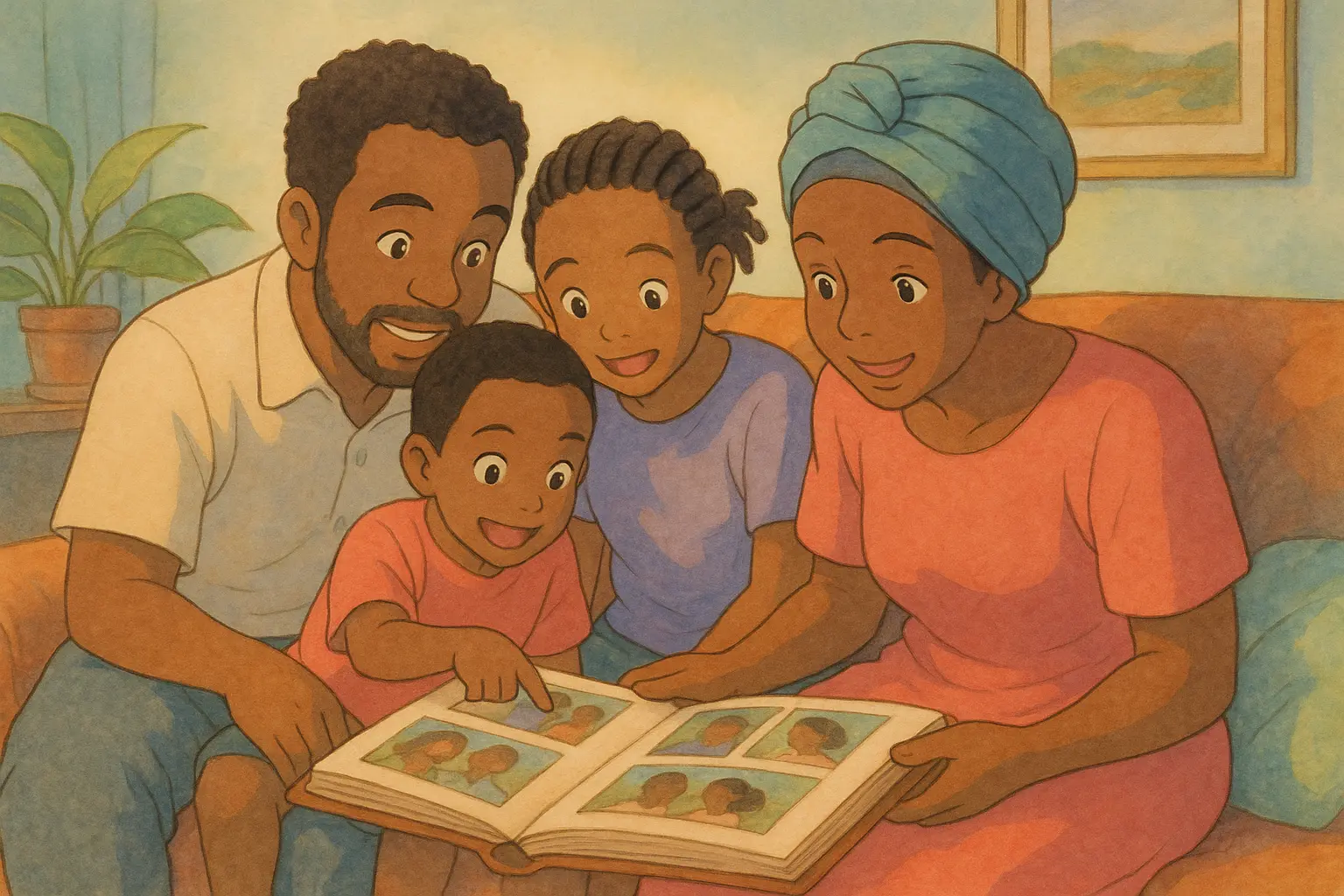
Your child's first words in your mother tongue aren't just vocabulary—they're the first threads of a cultural identity that can either unravel or become a lifeline.
For diaspora parents, watching your child struggle with your native language isn't just about communication. It's a quiet ache that whispers: "Will they ever truly know who they are?"
Language isn't merely words. It's the container for family stories, the rhythm of childhood lullabies, the unspoken understanding of why certain proverbs make you nod in recognition. When your child can't access that container, they're cut off from more than just vocabulary—they're missing the cultural scaffolding that tells them where they belong.
This isn't abstract. I've spoken with parents who describe the moment their child answered a grandparent's question in English—not out of defiance, but because the Kirundi words simply weren't there. "It felt like watching a door close," one mother told me. "A door to a room full of family history that my child might never enter."
That door doesn't have to stay closed. Language can be the key that unlocks it.
Think of your native language as architectural blueprints passed down through generations. Each story your parents told you, each proverb they repeated, each family nickname—they're all beams and supports in a structure called "cultural identity."
When children learn their heritage language, they're not just memorizing words. They're:
A father from Burundi shared how teaching his daughter Kirundi proverbs transformed their relationship. "When she started using 'Ubutunzi ntibuvyara umwana' (Wealth doesn't give birth to a child) to explain why she valued friendships over material things, I knew she wasn't just learning words—she was learning to be."
Building cultural identity through language doesn't require perfect fluency or hours of formal lessons. It happens in the small, consistent moments. Here's how to start:
When we teach our children our native languages, we're not just passing down vocabulary. We're giving them:
That Burundian father's daughter now switches effortlessly between Kirundi, French, and English—not as separate languages, but as different tools for different parts of her identity. "When she speaks Kirundi with her grandparents," he told me, "I see her stand a little taller. She knows she belongs to something bigger than herself."
Your child's first words in your mother tongue might be hesitant. They might mispronounce. They might mix languages. But each attempt is a thread being woven into a cultural identity that will hold them steady long after you're gone to remind them.
Start with one proverb. One story. One song. The language you give them today becomes the identity that anchors them tomorrow.
This post is part of our series on diaspora parenting and language preservation.