By Lionel Kubwimana
••4 min
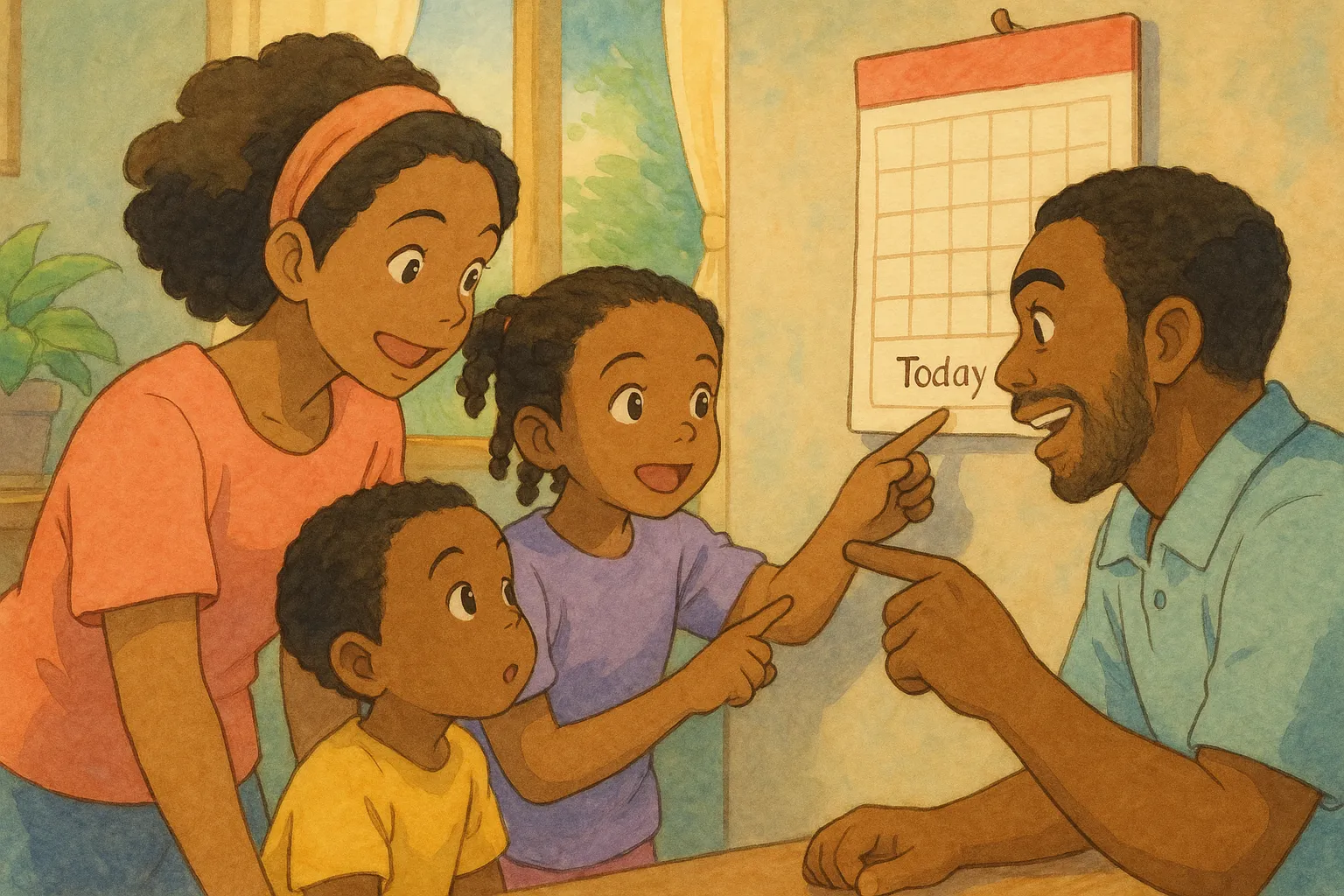
Focus on teaching a single new word each day, using repetition and real‑world context to make it stick, building a foundation without overwhelm.
We’ve all been there: you open a vocabulary list and see hundreds of unfamiliar words. Your brain freezes. The mountain feels too steep to climb. This “vocabulary mountain” problem is real, especially for parents trying to teach their children a heritage language while balancing school, work, and daily life.
The sheer volume can trigger decision fatigue. Where do you start? Which words are most important? How do you keep track? The overwhelm often leads to procrastination—or worse, abandoning the effort altogether.
But what if you didn’t have to climb the whole mountain at once?
Pick one word. Just one. It could be a word you heard in a song, a word your child asked about, or a word that describes something you see every day. Write it down. Say it aloud. Then, use that word in three different situations before the day ends.
Morning: Use the word during breakfast. “Look, the sun is shining—so bright!”
Afternoon: Bring it up while playing. “Your drawing is so colorful—just like a rainbow!”
Evening: Mention it again at dinner. “This soup tastes delicious, doesn’t it?”
Repeat the same word for a week. By day seven, that word is no longer a stranger. It’s a friend your family greets every day. The repetition builds familiarity without feeling like a chore.
Thirty days. Thirty words. That’s a solid foundation.
After a month, you’ll have a small but meaningful vocabulary that your child actually uses. More importantly, you’ll have built a habit—a daily rhythm that feels sustainable, not stressful.
Confidence grows with each word mastered. The mountain hasn’t gotten smaller; you’ve simply learned to take one step at a time. And those steps add up.
This method isn’t just about vocabulary. It’s about connection. Each word becomes a tiny anchor point for conversation, for laughter, for shared moments. You’re not just teaching a language; you’re building a family culture around curiosity and patience.
So tomorrow, pick one word. Just one. And watch what happens.
What’s your word for today?
Life happens. If you forget a day, don’t stress. Just pick up where you left off. The goal is progress, not perfection. One missed day doesn’t undo the previous days’ work. Be kind to yourself—this is a marathon, not a sprint.
Thousands of parents are already using the one‑word‑a‑day method. Share your word on social media with the hashtag #OneWordADayChallenge to connect with others and get inspiration.
Remember: every big vocabulary started with a single word. Yours can too.