By Lionel Kubwimana
••4 min
If you think you've missed the window to teach your native language, this snack‑time hack will show you why starting now is better than waiting.
You look at your child and realize they don't know a single word of your mother tongue. That sinking feeling in your stomach isn't just regret—it's guilt. But what if that guilt could be the fuel you need to start today?
The truth is, you're not alone. Countless diaspora parents carry the same weight, believing they've missed the window, that their child is "too old" to start learning a new language. This belief is paralyzing—but it's also wrong. Let's unpack why.
We're told that children are language sponges until age five, and after that, the window closes. That's a dangerous oversimplification. While early childhood is a prime time for language acquisition, the brain's plasticity extends far beyond those early years. Research shows that children can achieve near-native fluency in a second language well into their teens—and adults can become highly proficient, too.
The real barrier isn't your child's age; it's the story you tell yourself. "I should have started earlier" becomes a self-fulfilling prophecy that keeps you stuck. But every week you wait is another week you could have spent building a connection through language.
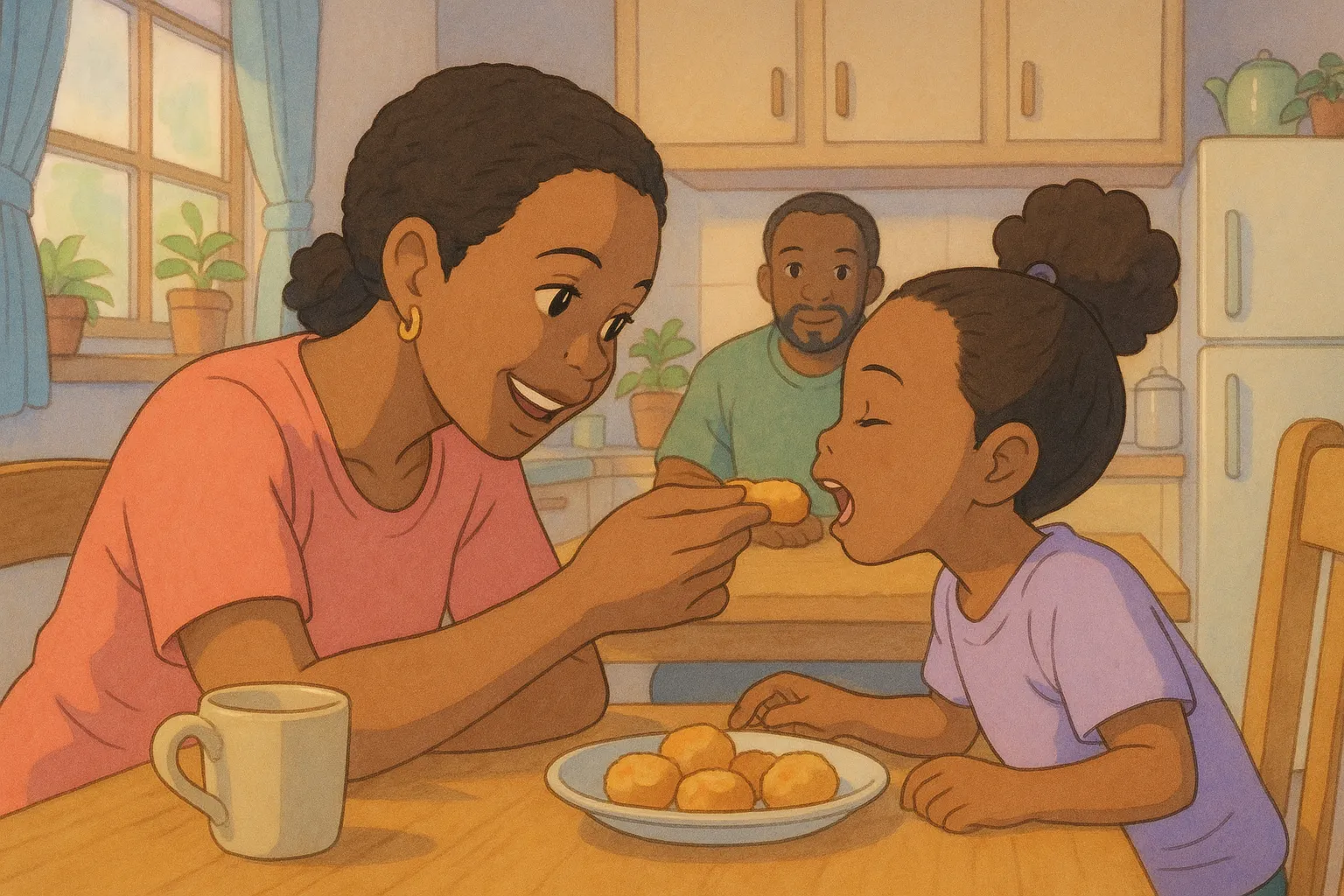
You don't need a curriculum, flashcards, or a dedicated hour. You need a simple anchor that fits into your existing routine. This week, pick one snack your child loves—a piece of fruit, a cookie, a handful of nuts—and name it in your language.
That's it. Just one word.
When you hand them the snack, say the word. Repeat it. Ask them to say it back. Keep it playful, no pressure. If they mispronounce it, smile and repeat it correctly. This tiny exchange takes less than a minute, but it does something profound: it establishes your language as a living part of your daily life.
Over the week, you can add words:
By the end of the week, you'll have a handful of vocabulary words—all centered around a moment you already share. The snack becomes your language classroom, and the guilt transforms into a small, tangible victory.
Consistency beats intensity. Instead of planning a massive language-learning overhaul, commit to one 10‑minute "language date" each week. Set a recurring reminder—maybe Sunday afternoon, or Wednesday after school—and protect that time.
Each week, build on the previous week's words. Introduce a new snack, or add a simple sentence. Use props if you like: a picture book, a song, a short video in your language. The goal isn't perfection; it's presence.
As the weeks stack, you'll notice two shifts:
Language isn't a checkbox to tick; it's a bridge you build together, one snack at a time.
If you've been waiting for the "right moment," it's here. The guilt you feel isn't a sign that you've failed—it's a signal that your heritage matters deeply to you. Use that signal. Start this week with one snack, one word, and watch what grows.
You haven't missed the window. You're just opening the door.