By Lionel Kubwimana
••4 min
Worried your child is losing touch with their roots? That fear can be your compass—here’s how to turn it into a clear, actionable plan.
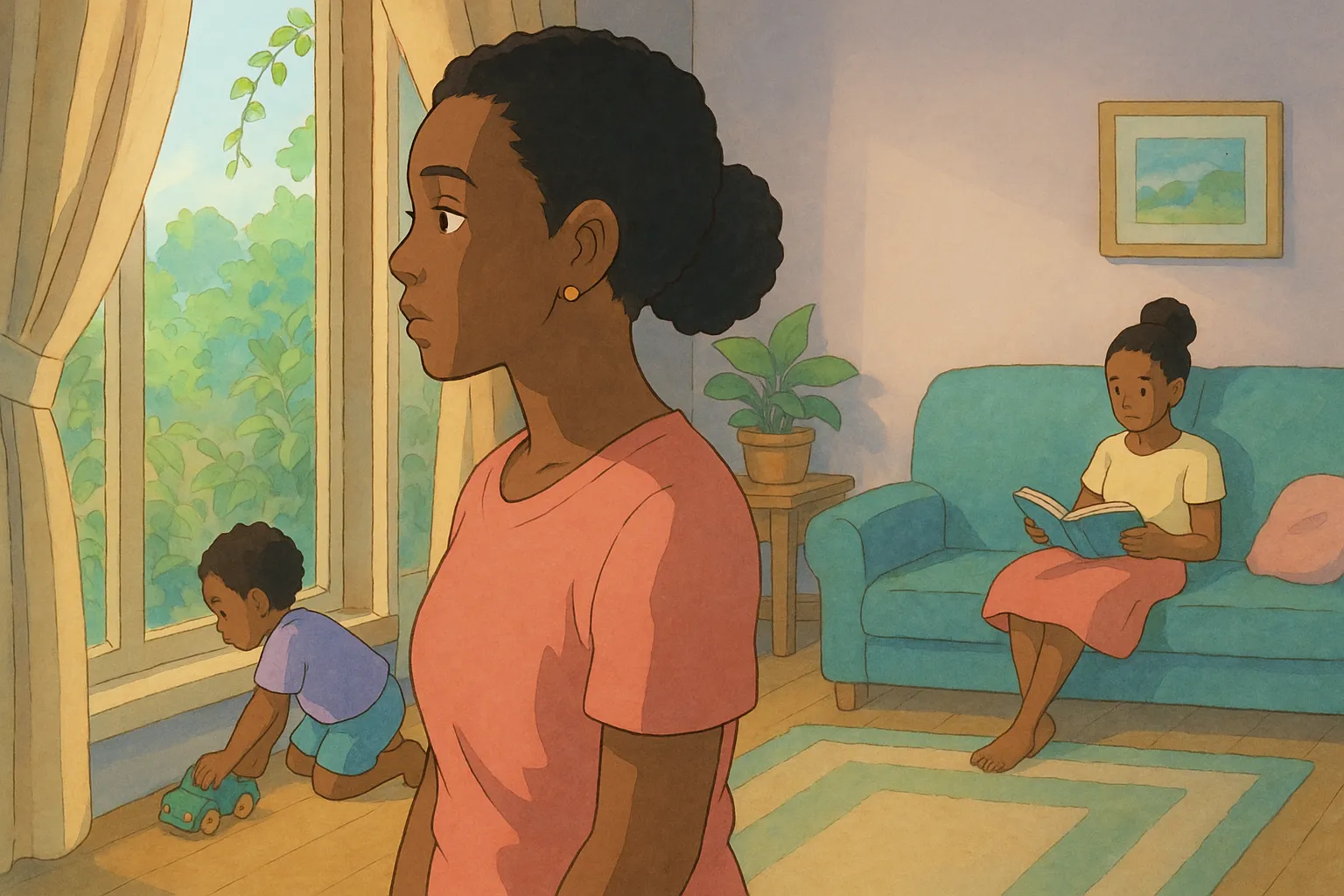
That knot in your stomach when your child replies in English to a question you asked in your mother tongue. The pang of guilt when you realize you haven’t taught them a single proverb this month. The quiet dread that, with each passing year, the thread connecting them to your heritage grows thinner.
You are not alone. That fear is real—and it’s legitimate. But what if we told you that same fear can become your most powerful ally? Instead of a source of anxiety, it can be the compass that guides you toward small, sustainable steps that actually work.
Our languages and cultures aren’t just something we “have”—they’re part of who we are. They shape how we see the world, how we relate to family, and how we understand our own history. When we feel that connection slipping away from our children, it’s natural to feel a deep sense of loss.
Ignoring that fear doesn’t make it disappear; it often makes it louder. We might push it aside because we’re busy, because we don’t know where to start, or because the task feels overwhelming. But unaddressed, that fear can turn into guilt, resignation, or even resentment—none of which help our children build a positive relationship with their heritage.
The good news? The very fact that you feel this fear means you care. And that caring is the first, most essential ingredient for change.
When fear strikes, our instinct is often to go big: sign up for language classes, buy every bilingual book, or declare “from now on, we only speak our language at home.” These well‑intentioned efforts often backfire because they’re unsustainable. Here are the three most common pitfalls:
Pitfall 1: The overload approach. Trying to cram language lessons into an already packed schedule adds stress for everyone. Kids sense the pressure and start to associate heritage with “homework” rather than joy.
Pitfall 2: The formal‑instruction trap. Turning heritage into a subject to be studied strips it of its natural context. Language lives in stories, jokes, kitchen chatter, and lullabies—not just in flashcards and grammar drills.
Pitfall 3: The comparison game. Seeing another family’s child fluently speaking their heritage language can be inspiring—or it can make you feel like you’ve already failed. Every family’s journey is unique. Your child’s progress isn’t measured against anyone else’s.
The key is to step away from the “fix‑it‑now” mindset and move toward a rhythm that fits into real life.
You don’t need a grand plan. You need a handful of tiny, repeatable moments that become part of your family’s weekly flow. Here’s a framework you can adapt starting today:
Monday: One proverb. At breakfast or dinner, share one proverb from your culture. Explain what it means and ask your child how they might use it. No quiz, just conversation.
Wednesday: A song or rhyme. Pick a simple childhood song or rhyme you remember. Sing it together while driving, cooking, or getting ready for bed. Repetition is your friend—the same song all month is fine.
Friday: Storytime with a twist. Read a bedtime story, but swap a few key words for their equivalents in your language. Point to the pictures and say the word. Keep it light, keep it playful.
Sunday: Connection call. If you have family overseas, make a short video call. If not, look at a photo album or watch a short video about your country. Talk about what you see—just a few minutes is enough.
Each of these moments takes less than five minutes. None require special materials or preparation. They work because they’re woven into what you’re already doing, and they focus on connection, not perfection.
That fear you feel isn’t a sign that you’re failing—it’s a sign that you’re paying attention. And paying attention is the first step toward meaningful action.
Start with one small moment this week. One proverb. One song. One story with a few swapped words. Notice how it feels. Notice your child’s reaction. That small spark of connection is how heritage grows: not through a frantic sprint, but through a steady, gentle rhythm that becomes part of your family’s life.
Your child’s heritage isn’t lost—it’s waiting for you to weave it into the everyday. And you already have everything you need to begin.