By Lionel Kubwimana
••4 min
Exploring the emotional weight of losing a native language and actionable steps to reconnect with your linguistic heritage.
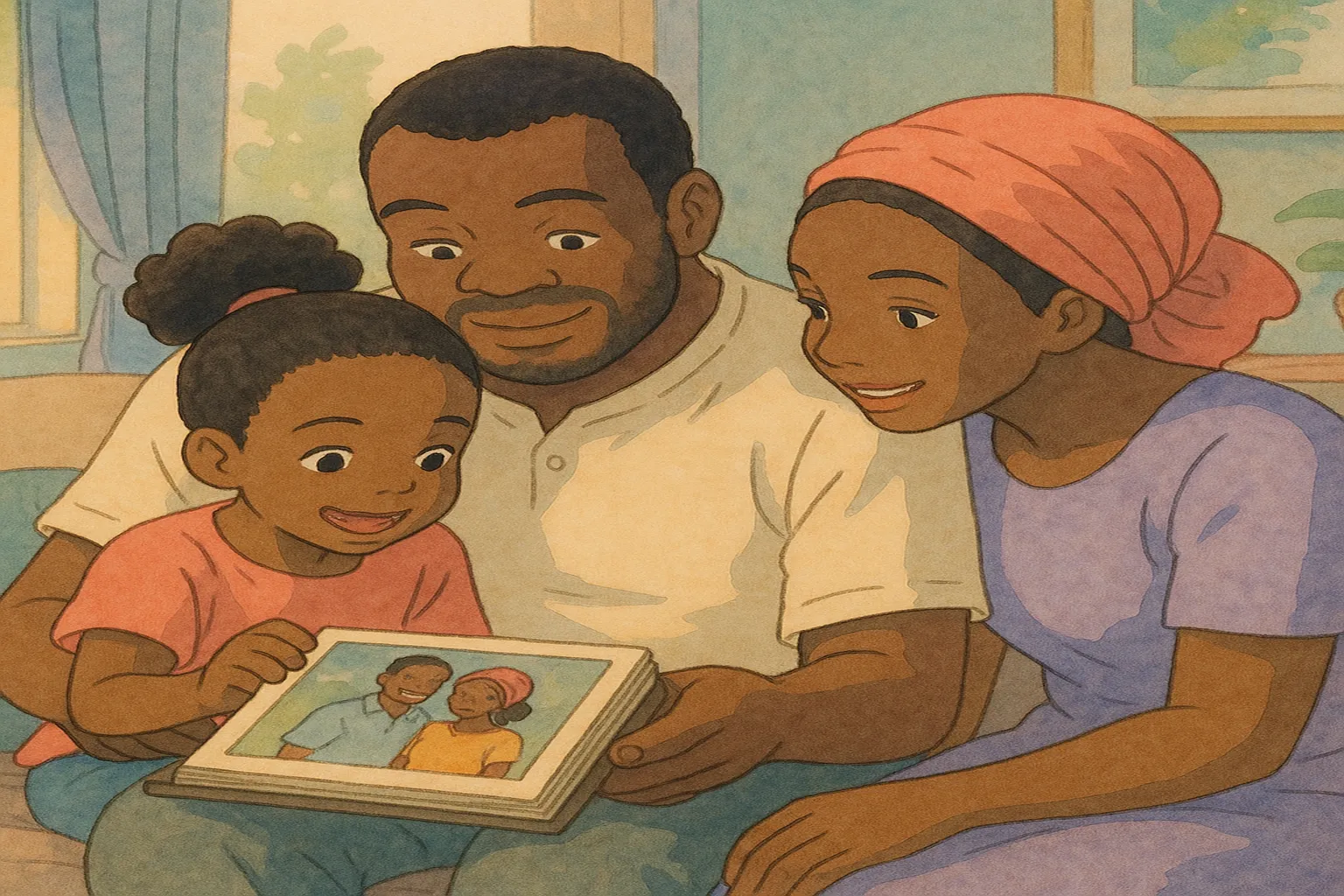
Losing a native language is more than forgetting words—it’s a slow erosion of self. For many in the diaspora, the shift happens subtly: you stop dreaming in your mother tongue, you struggle to recall the lullaby your grandmother sang, you stumble over proverbs that once felt as natural as breathing. This loss touches three core layers of human experience: identity, connection, and memory.
Identity Our language is a mirror of who we are. It carries the rhythms of our ancestors, the humor of our community, the unique ways we see the world. When that mirror cracks, we can feel untethered—caught between cultures but fully at home in neither.
Connection Language is the thread that ties us to family, especially older generations. Without it, conversations with grandparents become shallow, stories lose their texture, and the warmth of shared understanding cools. The silence that grows in those gaps can feel isolating, even when surrounded by people.
Memory Certain memories are encoded in specific words, tones, and phrases. Lose the language, and those memories become fuzzy, like a photograph left in the sun. The scent of a childhood dish, the texture of a traditional fabric, the sound of a rainy season—all fade when the words that named them disappear.
Language loss rarely comes from a single dramatic event. It’s a gradual drift, propelled by three main forces:
Dominant language pressure School, work, media, and social circles reward fluency in the dominant language (often English, French, or Portuguese). Over time, the brain allocates more space to the language it uses most, squeezing out the native one.
Time and routine Busy lives leave little room for deliberate language practice. Without regular use, vocabulary shrinks, grammar fossilizes, and confidence wanes.
Isolation Living far from a linguistic community means fewer natural opportunities to hear and speak the language. Digital connections help, but they can’t fully replace the immersive, everyday chatter that keeps a language alive.
The good news: language revival is possible, and it doesn’t require fluency overnight. Start small, start joyful, and start today.
One story at a time Ask a relative to tell you a family story in your native language. Record it if you can. Listen repeatedly, even if you only catch a few words at first. Stories carry emotion, culture, and vocabulary in a package that’s easier to remember than a textbook list.
One song at a time Music bypasses the analytical mind. Find a popular song, a hymn, or a children’s rhyme in your language. Sing along, look up the lyrics, learn what they mean. Melody makes words stick.
One conversation at a time Schedule a 15‑minute weekly call with a parent, sibling, or friend where you commit to speaking only your native language. It will feel awkward at first—embrace the awkwardness. Mistakes are proof you’re trying.
One word at a time Label household objects with sticky notes in your language. Each time you see the word, say it aloud. Re‑learn your daily environment through the lens of your heritage.
One ritual at a time Incorporate the language into an existing habit: say a gratitude phrase before meals, name the weather each morning, count your steps during a walk. Tiny rituals build neural pathways without overwhelming you.
Reclaiming a language is an act of love—for your past, your family, and your future self. It won’t be linear, and some days you’ll feel like you’re stumbling in the dark. But each word you recover, each sentence you form, is a light you’re re‑kindling. Start where you are, use what you have, and remember: every language deserves to be spoken, and every speaker deserves to be heard.