
Simple Daily Rituals for Language Transmission
By Lionel Kubwimana
••4 min
Forget complex plans. Three tiny daily rituals (under five minutes each) that build language immersion naturally.
KEY HIGHLIGHTS
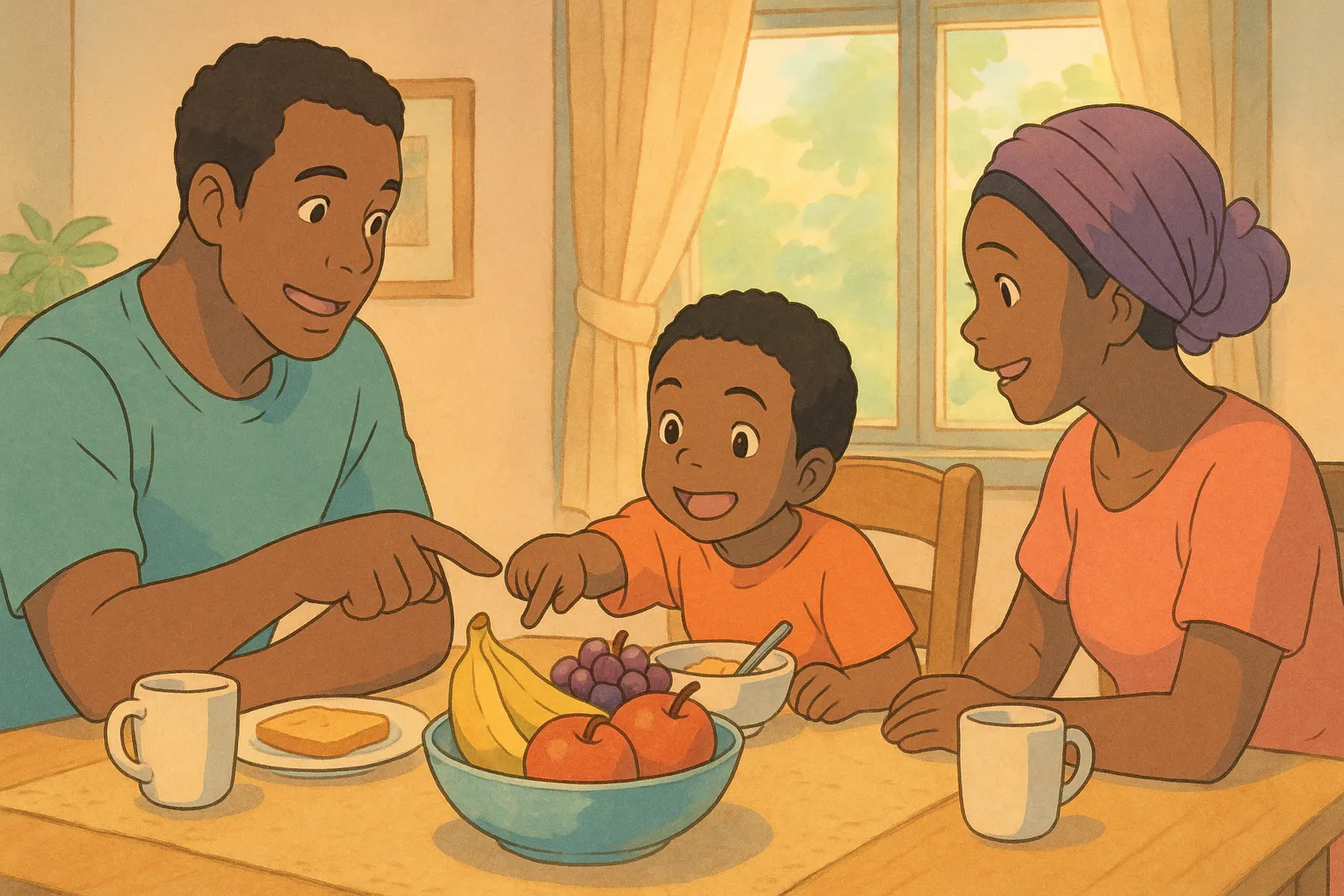
- •Start with a five-minute 'fruit bowl naming' game at breakfast
- •Use 'language mirroring' during routine tasks like dressing
- •End the day with a one-sentence reflection to reinforce vocabulary
Language learning often feels overwhelming. We set ambitious goals—memorize 100 words a week, hold a 30‑minute conversation, finish a textbook—only to see them crumble under the weight of daily life. The problem isn’t a lack of motivation; it’s that big plans require big, sustained effort, which is exactly what busy families don’t have.
Instead, focus on tiny rituals that slot into moments you already have. A ritual is a repeatable, almost automatic action that takes less than five minutes and builds language exposure without demanding “study time.” Because they’re small, they’re sustainable. Because they’re repeated, they compound.
Three daily rituals that take less than five minutes each
1. The Fruit‑Bowl Naming Game
At breakfast, point to items on the table—a banana, a cup, a spoon—and say their names in the target language. Have your child repeat after you, then swap roles. Keep it playful, not a test. If you don’t know the word, look it up together (keep a phone nearby). This ritual turns a daily meal into a three‑minute vocabulary sprint.
2. Language Mirroring
While dressing, brushing teeth, or putting away toys, narrate what you’re doing out loud in the language. “I’m putting on my socks.” “I’m washing my hands.” Your child will naturally start echoing the phrases. Mirroring embeds language in physical actions, creating muscle memory alongside word memory.
3. One‑Sentence Reflection
At bedtime, ask one simple question in the language: “What did you see today?” “What made you happy?” Accept any answer—a single word, a gesture, even a smile. Then reply with a sentence that incorporates that word. This closes the day with a positive, personal connection to the language.
How to track progress without pressure
Don’t count words. Don’t mark a calendar. Instead, notice when the ritual becomes automatic. Did your child point to the fruit bowl and say “apple” without prompting? Did you catch yourself narrating your actions while doing the dishes? Those moments are the real milestones.
Keep a “ritual log” on the fridge: three columns for the three rituals, and a check mark each day you do them. No shame for blanks—just a visual reminder that tiny steps add up. After a month, you’ll see a chain of checks that proves consistency, not fluency.
That’s the secret: fluency isn’t a destination you reach by cramming. It’s the sum of hundreds of tiny, nearly effortless moments. Start with one ritual this week. When it feels natural, add the next. In a few months, you’ll have woven the language into the fabric of your family’s day—without a single “study session.”