By Lionel Kubwimana
••4 min
Turn screen time guilt into language learning by using curated apps, videos, and games that embed your mother tongue.
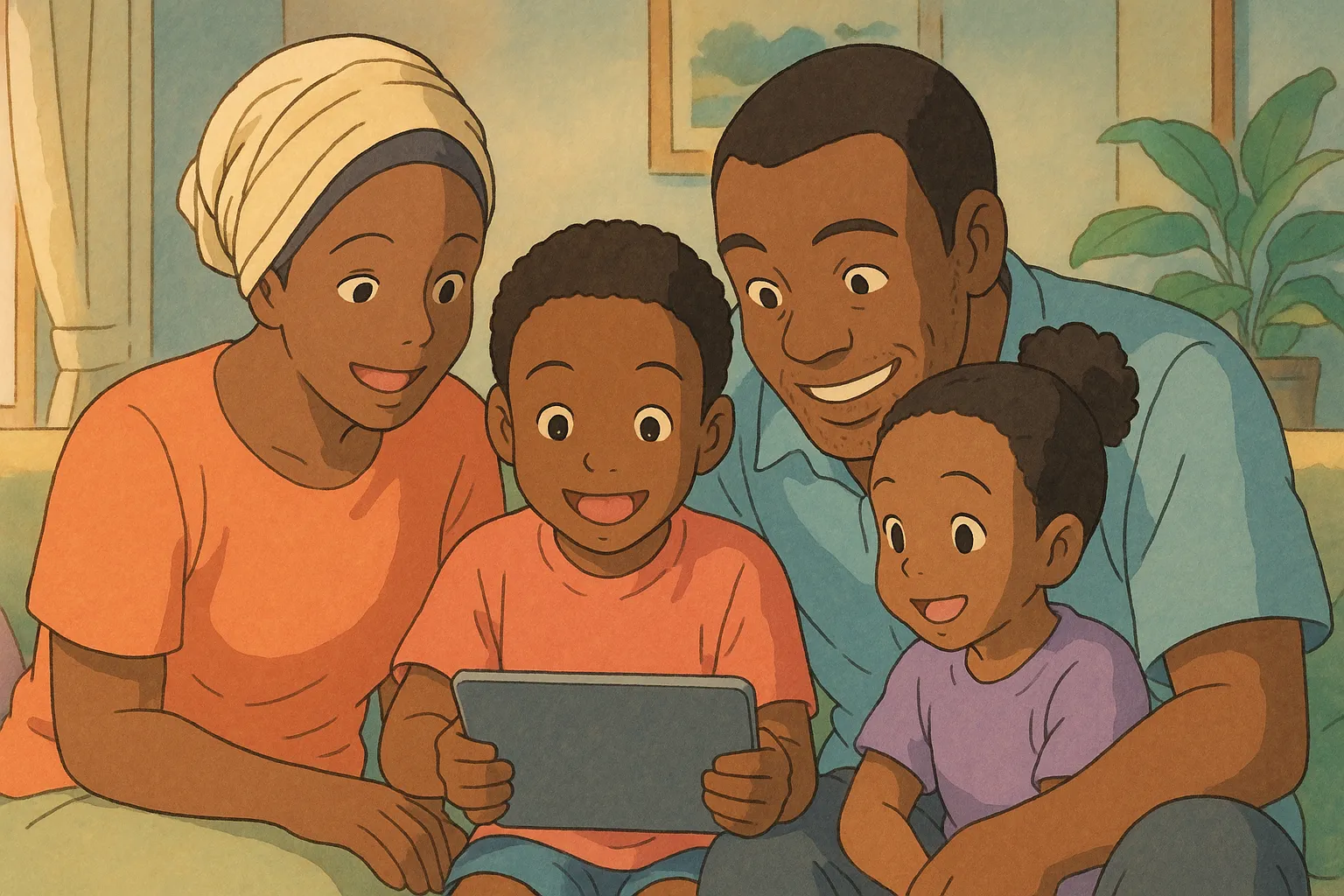
As parents, we’re constantly told that screen time is harmful—that it robs our children of real-world interaction, stunts their development, and erodes their attention span. The guilt is real, especially when we see our kids glued to a tablet or phone. But what if we could turn that guilt into growth? What if those minutes spent on a device could actually strengthen their connection to our mother tongue?
The key is to shift from passive consumption to intentional engagement. Instead of seeing screens as a distraction, we can see them as a portal to language exposure. In many African households, children are growing up with two or more languages: the local or heritage language spoken at home, and the dominant language of school and media. Without deliberate effort, the heritage language often gets pushed aside. Digital devices, when used thoughtfully, can become a powerful ally in keeping that language alive.
Screen time guilt arises because we feel we’re not offering our children something “better.” But if that screen time is filled with songs, stories, and games in your language, it’s no longer wasted time—it’s language reinforcement. It’s a chance to hear native pronunciation, learn vocabulary in context, and see the language used in modern, engaging formats. The guilt disappears when you know every minute is building a bridge to their cultural roots.
How to flip it: Start by reframing your mindset. Think of screen time as “language time.” Set a clear intention: “During these 10 minutes, my child will be exposed to our language through an app or video.” That small shift turns a guilty pleasure into a purposeful ritual.
Not all digital content is created equal. The goal is to find resources that are both age‑appropriate and linguistically relevant. Here’s a practical filter to help you choose:
Look for content created by native speakers. Search for YouTube channels, apps, or games made by creators from your language community. The pronunciation, idioms, and cultural references will be authentic. For example, if you speak Kinyarwanda, search for “Kinyarwanda children’s songs” or “Igitaramo cy’abana.” Many African language activists are now producing high‑quality digital content specifically for young learners.
Prioritise interaction over passive watching. Choose apps that require your child to tap, speak, or respond in your language. Language‑learning apps like Duolingo now offer courses in Swahili, Yoruba, and other African languages. Even simple matching games that use vocabulary words can reinforce retention.
Use subtitles and closed captions. If you’re watching a cartoon or video in another language, turn on subtitles in your mother tongue. This builds reading skills while linking the spoken word to its written form. For older children, you can switch the audio to your language if a dubbed version exists.
Curate a “language‑first” playlist. Create a dedicated folder on your tablet or phone with only language‑focused apps and videos. This makes it easy for your child to tap straight into learning materials without sifting through unrelated content.
Involve your child in the selection. Ask them what kind of stories or games they enjoy, then find versions in your language. When children have a say, they’re more likely to engage willingly.
Remember, the aim isn’t perfection—it’s exposure. Even a few minutes of hearing the language in a fun, digital context can make it feel more relevant and modern to a child.
Consistency is more important than duration. A daily 10‑minute ritual is sustainable, even on busy days, and creates a predictable space for language exposure. Here’s how to make it stick:
Step 1: Pick a consistent time. Tie language screen time to an existing habit—right after breakfast, during the afternoon quiet time, or just before bed. The cue helps everyone remember.
Step 2: Use a visual timer. A simple sand timer or a countdown on the screen itself helps children see how much time is left. When the timer ends, screen time ends. This reduces resistance and teaches self‑regulation.
Step 3: Sit together (when possible). If you can, join your child for part of the session. Ask questions like “What did the character say?” or “Can you repeat that word?” Your presence turns a solo activity into a shared language moment.
Step 4: Rotate the content. Keep a library of 5‑7 apps, videos, or games and rotate them weekly. This prevents boredom and exposes your child to a broader vocabulary.
Step 5: Celebrate small wins. After each session, praise your child for listening, repeating, or learning a new word. Positive reinforcement builds a positive association with the language.
Over time, this daily ritual becomes a non‑negotiable part of your family’s routine—like brushing teeth or reading a bedtime story. The cumulative effect of 10 minutes a day is 60 hours a year of dedicated language exposure. That’s 60 hours your child wouldn’t have had if screen time remained guilt‑ridden and unguided.
By reframing screen time as language time, choosing content with intention, and establishing a consistent ritual, you can transform digital devices from sources of guilt into tools of connection. Your mother tongue deserves a place in your child’s digital world—and now you have a practical plan to make it happen.