By Lionel Kubwimana
••4 min
Use a single, visually rich proverb as a gateway to larger conversations about heritage, values, and language.
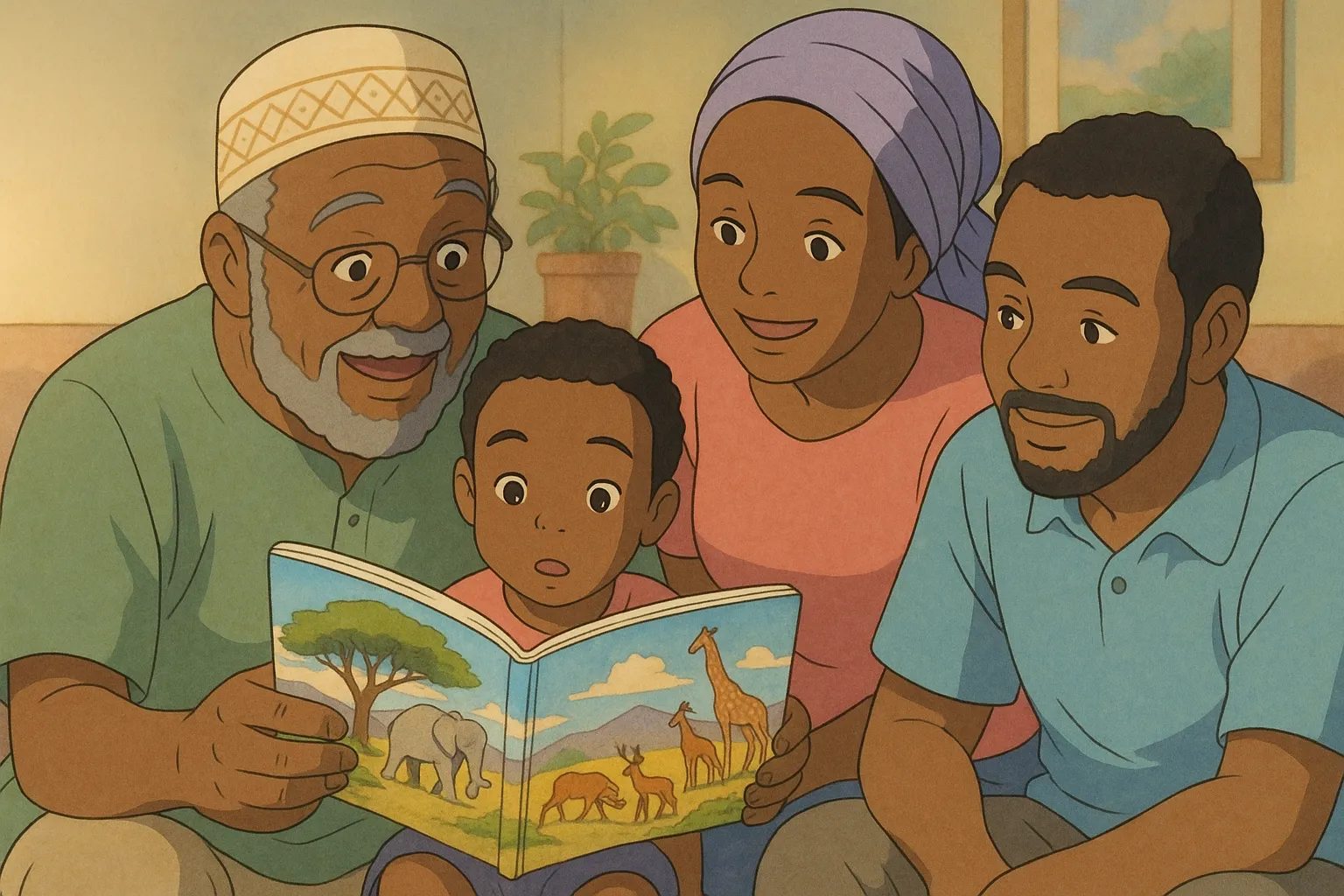
In a world where screens dominate and attention spans shrink, ancient proverbs can seem like relics of a forgotten past. Yet these concise, poetic sayings hold a surprising power: they are cultural bridges that can connect your child to their roots in a way that feels both meaningful and modern. By focusing on just one proverb—visually rich, emotionally resonant, and tied to your child’s own interests—you can open a gateway to larger conversations about heritage, values, and language.
To a child, a proverb often sounds like a dusty piece of advice from a distant generation. “A bird in the hand is worth two in the bush” might elicit a shrug—what does that have to do with my video game? The gap lies in presentation, not substance. Proverbs are actually perfect for young minds because they are short, memorable, and packed with imagery. They work like mental snapshots: a single picture that carries a whole story.
The key is to lift the proverb out of the “lesson” box and place it in the realm of discovery. Instead of presenting it as a moral, treat it as a puzzle: “Why would someone say that? What kind of bird? What’s in the bush?” When a child engages their curiosity, the proverb stops being a lecture and becomes an invitation.
African proverbs, in particular, are rich with animals, nature, and everyday scenes that children naturally love. A saying like “When the music changes, so does the dance” (Igbo) can spark a conversation about adaptability—why do we change our steps when the rhythm shifts? By linking the proverb to a child’s own experience (changing games when rules change, switching activities when bored), you make the ancient feel immediately relevant.
Start by observing what already lights up your child’s world. Does she stop to watch ants marching? Is he fascinated by lions in documentaries? Does she argue passionately about what’s “fair” on the playground? Match the proverb to that interest.
Choose a proverb that comes with a clear, visual scene—something you can draw, act out, or photograph. The image becomes an anchor; every time your child sees it, the saying comes back to mind. This visual hook turns an abstract idea into a tangible memory.
Once you have your proverb, weave it into a gentle weekly rhythm. The goal isn’t to lecture, but to create shared moments that feel like play.
Story: Tell a simple, imaginative tale that illustrates the proverb. Use your child as the hero. “Once, you were walking through the savanna and you saw a lion family…”
Craft: Create something together—a drawing, a clay figure, a collage—that captures the proverb’s scene. Hang it on the fridge or make it a phone wallpaper. The act of making solidifies the connection.
Real‑life application: Look for moments during the week where the proverb applies. Did your child share a toy? “That’s like our proverb—going together!” Was there a change in plans? “Remember, when the music changes, we change the dance.” Keep it light and positive; the proverb becomes a friendly guide, not a scolding.
Over time, this ritual builds a bridge. The proverb is no longer a foreign saying; it’s part of your family’s shared language. It opens doors to deeper talks: “What did our ancestors value? How do we keep those values alive? What does it mean to be part of this culture?”
Proverbs aren’t museum pieces. They are living tools for connection. By choosing one vivid saying, matching it to your child’s world, and turning it into a weekly ritual, you give your child a piece of their heritage that feels personal, playful, and powerful. You’re not just teaching a saying—you’re building a bridge between generations, one proverb at a time.