By Lionel Kubwimana
••4 min
Use the power of proverbs to pass on language and cultural wisdom in one memorable package.
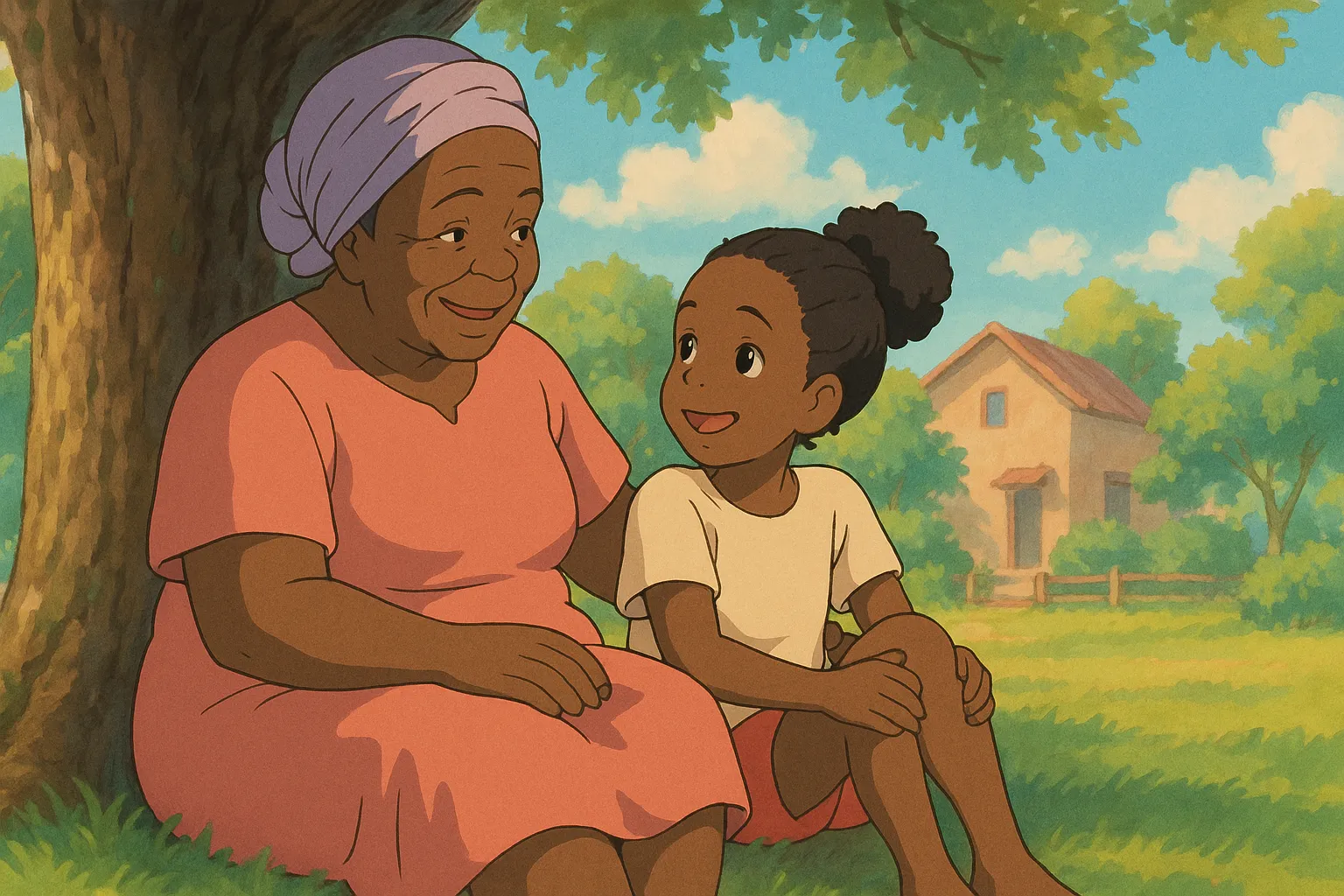
Proverbs are more than just clever sayings. In African traditions, they are cultural capsules—tiny packages of wisdom that carry generations of experience, values, and worldview. When you teach your child a proverb, you’re not just teaching vocabulary; you’re handing them a key to unlock the deeper layers of your heritage.
Language learning can feel overwhelming, especially for diaspora parents juggling work, school, and the daily chaos of family life. Proverbs offer a gentle on‑ramp. They’re short, memorable, and often rhythmic, making them easy for young minds to grasp. Because they’re tied to concrete situations—a shared meal, a sibling quarrel, a moment of courage—they stick. A child who learns “When spider webs unite, they can tie up a lion” isn’t just memorizing words; they’re internalizing a lesson about teamwork that will surface the next time they face a challenge with friends.
And because proverbs are inherently cultural, they naturally spark questions. “Why did Grandma say that?” “What does it mean?” Those questions become bridges. You can explain the story behind the proverb, share a memory of when you first heard it, or connect it to a family value you want to pass down. In those conversations, language becomes alive, relevant, and emotionally resonant. You’re not drilling grammar; you’re sharing a piece of who you are.
Not every proverb will fit your family’s rhythm. The goal is to start with one or two that feel authentic to your own story. Here’s a simple three‑step filter:
Look for proverbs you already use. Think about the sayings your parents or grandparents repeated. Maybe it’s “A child who is carried on the back will not know how far the journey is” (a gentle nudge toward independence) or “Rain beats a leopard’s skin, but it does not wash off the spots” (a reminder that character endures). If a proverb already lives in your family’s oral history, it will feel natural to bring it forward.
Match the proverb to a current family dynamic. Is your child struggling with patience? “A patient man will eat ripe fruit.” Are siblings bickering? “Two ants do not fail to pull a grasshopper.” Choose a proverb that speaks to a real‑life moment your child is experiencing right now. When the teaching ties directly to their world, the lesson lands.
Keep the language accessible. Some proverbs use archaic or highly metaphorical language. If the original phrasing is too complex, simplify it—but keep the core meaning intact. The point is to make the wisdom reachable, not to preserve every linguistic nuance. You can always return to the original version as your child’s fluency grows.
Remember, you’re not building a curriculum; you’re planting seeds. One well‑chosen proverb, repeated and lived, will do more than a dozen forgotten vocabulary lists.
Once you’ve chosen your proverb, the real magic happens when you bring it to life. Here are three simple, low‑pressure activities that turn a saying into a family ritual.
Storytelling. Every proverb has a story behind it. Make up a short, vivid tale that illustrates the proverb. For example, for “He who does not know one thing knows another,” you could tell a story about a village where the best fisherman couldn’t climb trees, and the best climber couldn’t fish—until they teamed up and fed the whole community. Tell the story at bedtime, in the car, or while cooking. Invite your child to add details or suggest characters. Soon they’ll associate the proverb with a narrative they helped create.
Art. Proverbs are visual by nature. Grab crayons, clay, or a tablet and draw the scene the proverb evokes. If your proverb is “A single bracelet does not jingle,” draw two bracelets together making noise. If it’s “The moon moves slowly, but it crosses the town,” sketch a moon over a sleeping village. Display the art on the fridge or in their room. The visual anchor reinforces the language and makes the proverb a tangible part of your home.
Conversation. Weave the proverb into everyday talk. When your child shares a toy, you might say, “See? When spider webs unite…” When they’re impatient, “Remember, a patient man will eat ripe fruit.” Use the proverb as a kind of family shorthand—a gentle, loving nudge that carries the weight of your heritage. Over time, your child will start using it too, turning the saying into an inside joke, a comfort, a shared code.
Proverbs are a bridge between generations. They connect your child to ancestors they may never meet, to a homeland they may not yet have visited, and to a cultural identity that is uniquely theirs. They teach language without feeling like a lesson, and they instill values without feeling like a lecture.
Start with one proverb. Share it, live it, repeat it. Before long, you’ll notice your child using it in their own way—maybe with a creative twist, maybe with perfect pronunciation. That moment, when the wisdom of the past finds voice in the present, is the deepest kind of pride you can pass on.