By Lionel Kubwimana
••4 min
Discover simple, actionable strategies for teaching African languages at home—without adding extra stress to your busy schedule.
You want to teach your language, but between school, work, and life, it feels like another item on an impossible checklist. You're not alone. Many parents in the African diaspora share this sense of overwhelm—wanting to pass on their heritage language but struggling to find the time, energy, or resources. The good news is that language teaching doesn't require grand plans or hours of dedicated study. Small, consistent actions beat grand plans every time. In this post, we'll explore three practical strategies that fit into your existing routine, use simple visual aids, and involve your whole family.
Language learning thrives on frequency, not duration. Instead of trying to carve out a 30‑minute "lesson" (which often gets postponed), look for tiny pockets of time that already exist in your day. While you're making breakfast, name the utensils in your language. During the walk to school, count steps or describe the weather. While buckling your child into the car seat, sing a short song you remember from your own childhood.
These micro‑moments add up. Research shows that even brief, daily exposure can significantly boost vocabulary retention, especially when tied to a consistent cue (like a meal or a commute). The key is to keep it light and natural—no flashcards, no pressure. If you miss a day, just pick up again the next.
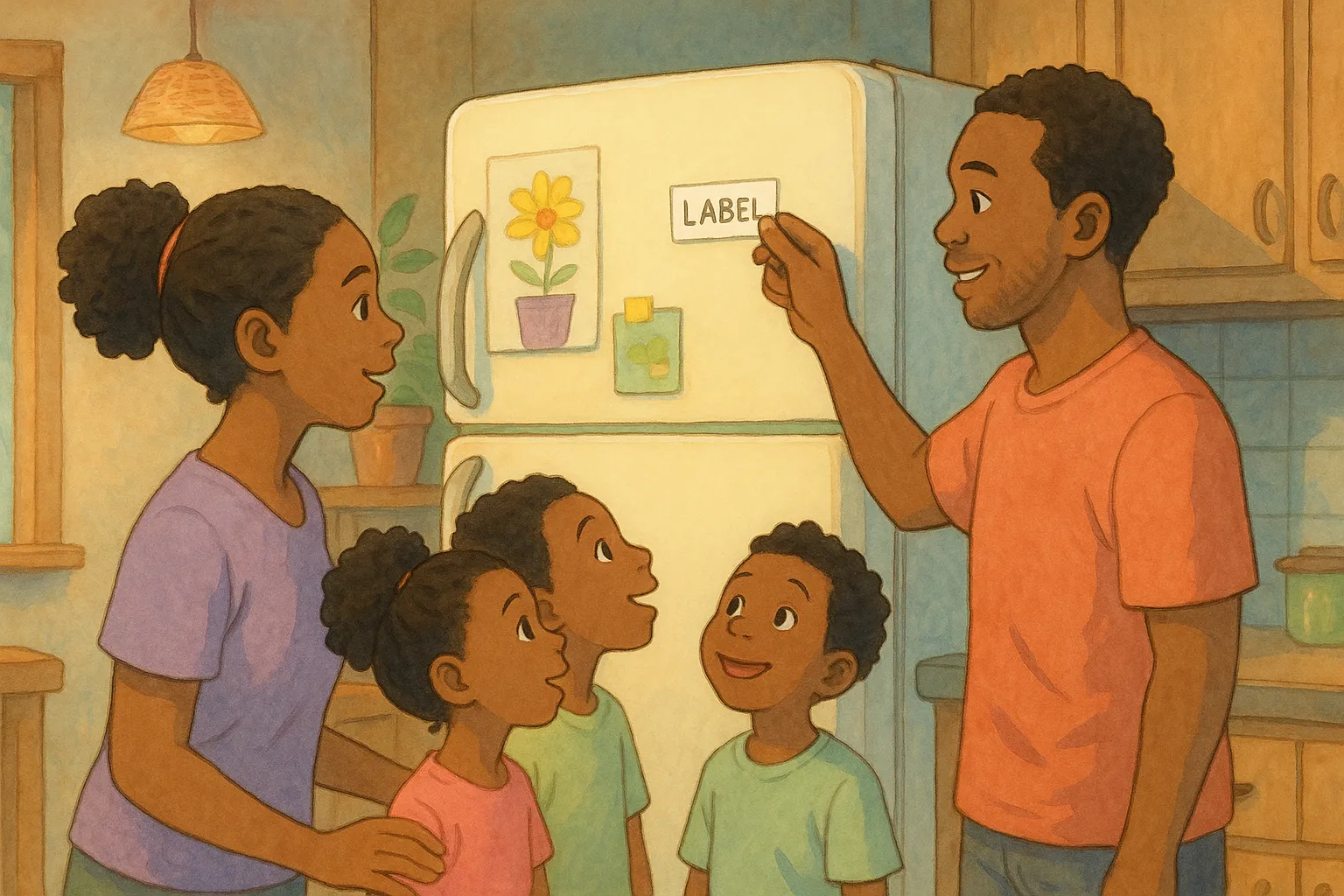
Visual cues are powerful memory triggers, but you don't need to turn your home into a classroom. Start with a few everyday objects that you and your child see often: the refrigerator, a favorite chair, the window. Write the word for each item on a sticky note (in your script, if you use one) and place it directly on the object. Use a simple, clear font, and maybe add a small drawing if you like.
The goal isn't to drill vocabulary; it's to create passive exposure. Over time, your child will associate the written word with the object, and you can occasionally point and say the word together. You can also use pictures—a family photo album with captions, a calendar with month names in your language, or a world map with your country highlighted. The visual aids become part of your home's texture, not a separate "lesson."
Language lives in community. If you have grandparents, aunts, uncles, or older siblings who speak the language, invite them into the process. A weekly video call where your child shares a new word with a grandparent creates a real‑world reason to use the language. Siblings can play simple language games together (like "I spy" or memory matching).
Even family members who aren't fluent can participate. Maybe your partner learns a few phrases alongside your child, turning it into a shared exploration. The social dimension transforms language from a chore into a connection—and reduces the burden on you as the sole "teacher."
Teaching your African language at home doesn't have to be overwhelming. By embracing the 5‑minute rule, using subtle visual aids, and engaging your wider family, you can create a language‑rich environment that feels natural and sustainable. Remember: small, consistent actions beat grand plans. Start with one strategy this week, and notice how the language begins to weave itself into your daily life.