By Lionel Kubwimana
••4 min
Explore how technology can be a powerful tool for teaching African languages to children, from curated apps to balancing screen time with meaningful interaction.
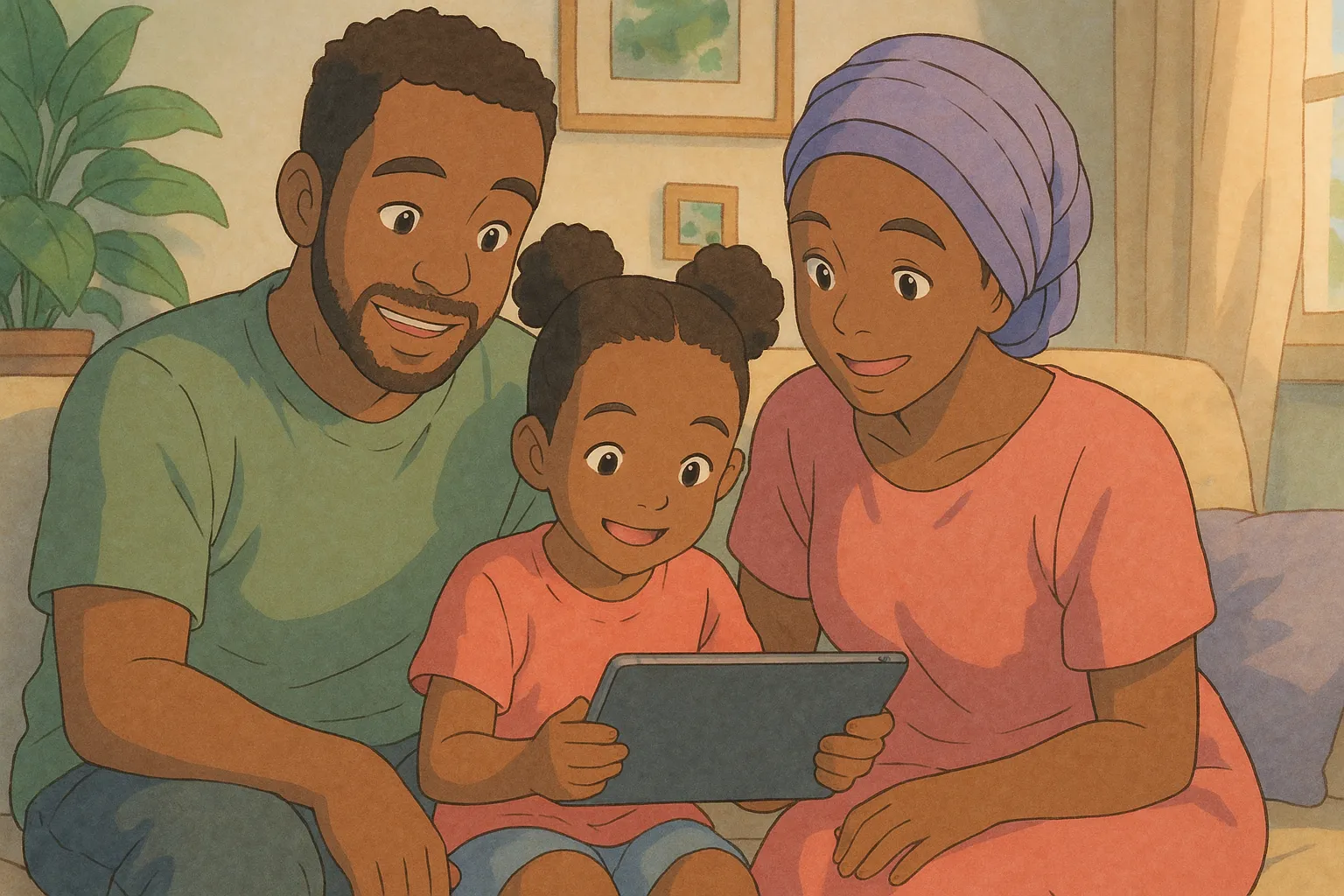
Technology has transformed how we learn, offering unprecedented access to educational resources. For African languages, which often lack extensive formal teaching materials, digital tools can bridge the gap and make language acquisition engaging for children. This post explores practical ways to leverage technology—apps, videos, audio, and careful curation—to create a rich language-learning environment while keeping screen time meaningful.
A growing number of apps are designed specifically for African language learning. Duolingo now offers Swahili and is expanding to other languages. Mango Languages includes Yoruba, Igbo, and Zulu with cultural notes. Drops has visual vocabulary games for Swahili and Afrikaans. Beyond dedicated apps, YouTube hosts countless channels with nursery rhymes, stories, and lessons in languages like Amharic, Hausa, and Wolof. Look for channels that feature native speakers and clear visuals.
Audio resources are equally valuable. Podcasts such as “SwahiliPod101” provide structured lessons, while music streaming platforms like Spotify and Apple Music have playlists of children’s songs in many African languages. Audiobooks on platforms like Audible or local services offer exposure to natural speech patterns. The key is to choose content that is age‑appropriate, clear, and culturally authentic.
Simply having resources isn’t enough—they need to be organized so they’re easy to use. Start by creating dedicated playlists on YouTube or Spotify for each language you want to introduce. Label them clearly (e.g., “Yoruba Story Time,” “Swahili Songs”) and keep them updated with new finds. On your tablet or phone, move the most useful language‑learning apps to the home screen or a folder named “Language Learning.” This reduces friction and makes it more likely that you—and your child—will open them regularly.
Consider setting up a family media plan that designates specific times for language‑focused screen use. For example, 15 minutes of an educational app after breakfast, or a weekend movie night with a film dubbed in an African language. Use parental controls to limit distractions and ensure the content stays on‑topic. The goal is to make the technology serve your language goals, not the other way around.
Screens alone cannot teach a language; they are most effective when paired with human interaction. Use apps and videos as conversation starters. After watching a short clip, ask your child simple questions in the target language: “What did the character say?” “Can you point to the object she named?” Repeat words and phrases together, and try to use them in real‑life situations.
Co‑viewing is especially powerful. Sit with your child while they use an app or watch a video, and talk about what you see. This turns passive consumption into an active learning session. Also, balance digital exposure with offline activities that reinforce the same vocabulary: cook a dish mentioned in a video, draw pictures of new words, or play a memory game with flashcards you make together.
Remember that technology is a tool, not a teacher. Its value lies in how you integrate it into a broader language‑rich environment that includes talking, reading, playing, and everyday routines.
Teaching African languages through technology is about smart curation and intentional use. By selecting high‑quality apps, videos, and audio, organizing them for easy access, and always pairing screen time with conversation and real‑world practice, you can turn digital devices into powerful allies for language learning. The result is a child who not only hears the language but begins to use it—and a family that grows closer through shared cultural discovery.