By Lionel Kubwimana
••5 min
Raising children in the diaspora comes with unique language challenges. Discover the three common mistakes parents make—and practical, actionable solutions to pass on your heritage language with joy and resilience.
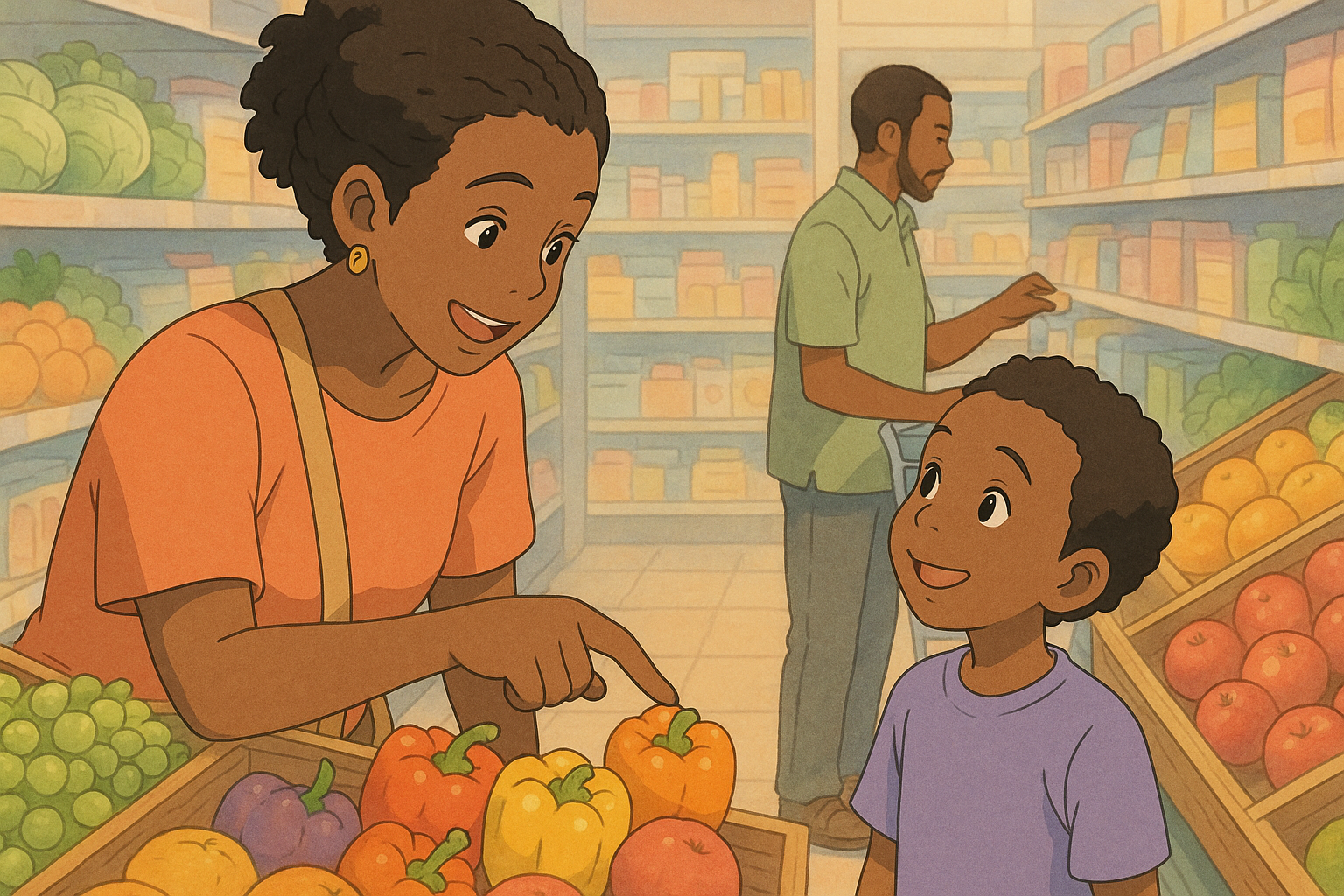
Raising children in a diaspora setting comes with unique challenges, especially when it comes to language. Many parents of African descent living abroad want their kids to speak their heritage language, but despite good intentions, they often fall into common traps that undermine their efforts. In this post, we’ll explore three widespread mistakes diaspora parents make when trying to pass on their mother tongue—and practical, actionable steps to correct them.
Too often, parents frame the heritage language as an extra subject to be studied, rather than a living, breathing part of family life. This turns language learning into a chore, something children resist because it feels like schoolwork.
Why it happens: Parents, eager to see progress, create structured “lessons” with flashcards, vocabulary lists, and scheduled practice time. The language becomes associated with obligation, not connection.
The fix: Integrate the language naturally into daily routines. Use it during mealtimes, play, and casual conversation. Watch cartoons or movies in the language together, sing songs, tell stories about family history. The goal is to make the language feel like a natural part of your child’s world, not an added assignment.
Some parents believe they should wait until their child is older, or has mastered the dominant language, before introducing the heritage language. They worry about confusion, delayed speech, or academic setbacks.
Why it happens: Well-meaning advice (sometimes even from educators) suggests that early bilingualism can cause language delay—a myth repeatedly debunked by research. In reality, young children’s brains are uniquely equipped to acquire multiple languages simultaneously with minimal interference.
The fix: Start from birth, or start today—no matter your child’s age. If your child is already older, frame the heritage language as a family project you’re embarking on together. Use age‑appropriate media, games, and conversations. The key is consistency, not perfection.
In many diaspora communities, parents emphasize global languages like English, French, or Spanish because they’re seen as more “useful” for future success. The heritage language gets sidelined as a quaint cultural artifact, not a core skill.
Why it happens: Structural pressures—school requirements, job markets, social mobility—understandably push families toward dominant languages. Parents fear their children will be left behind if they devote time to a language that “doesn’t count” on a résumé.
The fix: Reframe the heritage language as an asset, not a liability. Bilingualism of any kind boosts cognitive flexibility, problem‑solving, and empathy. Knowing a heritage language strengthens family bonds, provides access to cultural narratives, and can even open professional doors in an increasingly globalized world. Balance is possible: support the dominant language for school success while actively nurturing the heritage language at home.
Passing on a heritage language in the diaspora is an act of resilience. It’s easy to fall into the three traps above, but recognizing them is the first step toward change. By moving away from a “homework” mindset, starting at any age, and valuing identity alongside practicality, you give your child more than just words—you give them a living connection to their roots, a broader perspective on the world, and the cognitive benefits of bilingualism.
The goal isn’t perfection; it’s presence. Every sentence, song, or story shared in your mother tongue builds a bridge between generations. That bridge, built with patience and love, is something no prestige language can ever replace.