By Lionel Kubwimana
••17 min read
A simple guide on managing a family bilingual routine that mixes language practice with fun daily activities.
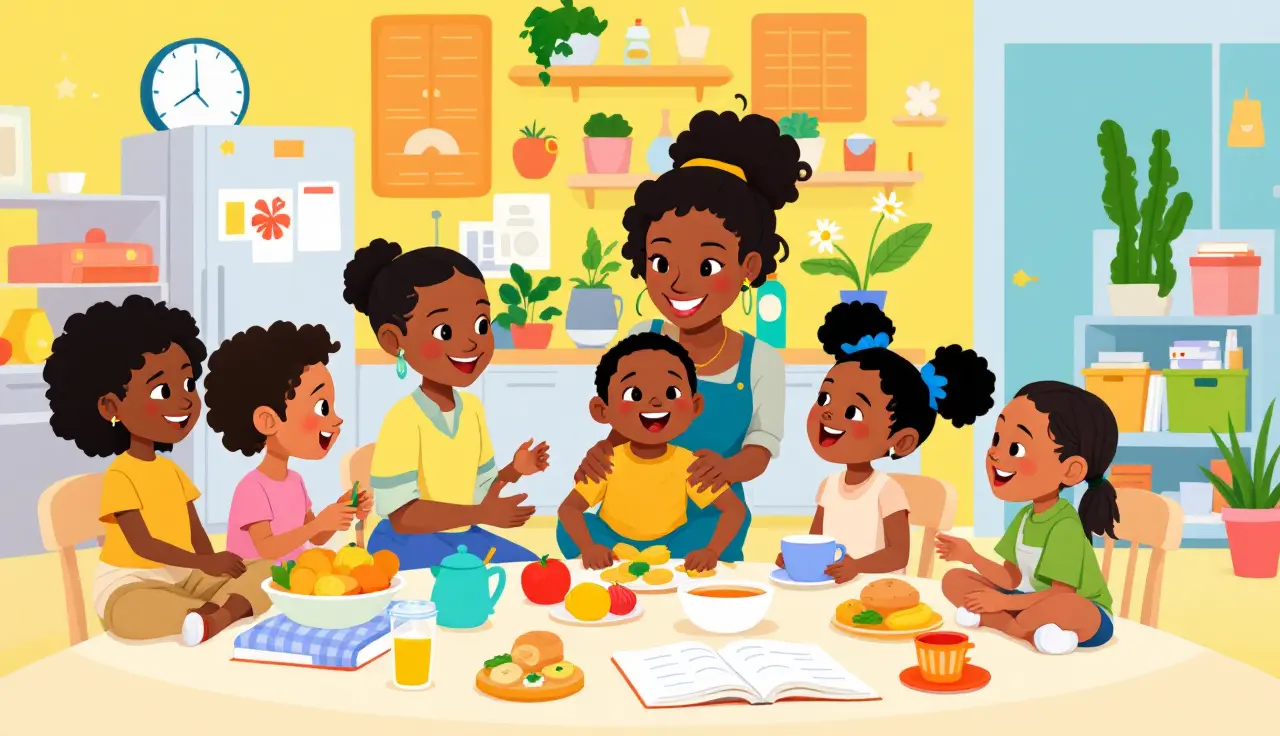
The sun barely peeks over the horizon. The clink of cereal bowls and soft yawns fill our kitchen. In our home, a new day of mixing two languages begins. Our youngest, Mateo, asks for milk in Kirundi with a gentle voice. His small words link the past with the present. His grandmother smiles with pride and memories. This morning is not only about breakfast. It is also about keeping our culture alive.
We face hard challenges every day. Just last week, Mateo came home from school upset. He found it hard to switch between two languages. As parents, we worry. We ask: Will he lose touch with his roots? Or will he find his own voice in both languages? Many bilingual families share these worries. The challenge is deep. It touches both school work and family traditions.
Raising children in a home with two languages is a special journey. It weaves daily habits with our cultural identity and brain growth. Some people think teaching African languages is too hard or not useful. But studies show that children who grow up with two languages gain smart thinking skills and learn to appreciate different cultures. This blog post explains these ideas. It shows how a family routine with two languages can add fun and meaning to everyday life.
Below you will find practical tips for different family situations. We show how to turn breakfast into a language lesson and car rides into storytelling sessions. These ideas come from families who have tried and tested these methods. You will also see fun ideas like bilingual playdates and study sessions in both languages. Every tip is backed by real stories and research. This guide is not just a simple how-to. It is a detailed plan for families who want to keep their language and culture strong.
Morning routines are very important. They set the mood for the rest of the day. In our bilingual home, breakfast is more than a meal. It is a chance to learn and speak both languages.
Breakfast is our first language lesson of the day. We start by picking a theme. We often choose a “word of the day” in both languages. Every family member tries to use the word during breakfast talks. This habit makes us learn new words and share ideas.
Studies show that linking language learning with regular meals helps us remember better. When breakfast becomes a learning time, it sets a bright tone for the day. Even the simplest words grow in meaning when they are part of our morning routine.
Our car rides are like a little classroom on wheels. We turn travel time into language time. In the car, we tell stories. We take turns speaking in one language and then the other. This makes a fun mix of languages.
Research says that learning by listening works well during travel. When we listen, our brain soaks in the words. Our commutes become lively sessions of learning. This helps us use every minute to practice speaking and understanding.
Getting ready for school and work is another chance to mix languages. We have bilingual checklists that help us with our morning tasks. Every task is written in both languages.
Some days we use one language more than the other. For example, if the school uses mostly English, we might focus on the second language at home. Research shows that being organized helps us learn faster. Our bilingual checklists are not just lists. They are tools that teach us and keep us on track.
Breakfast is very special in our routine. It is a hub where language learning happens naturally. Every morning, we chat casually in both languages.
These simple actions help us use words naturally. They also make us feel closer as a family. Even when we face hard times, we learn from each mistake. Over time, breakfast becomes a fun and powerful tool for learning languages.
We have seen both wins and challenges. Still, the benefits are clear. Our breakfast time is a time of active learning. It is a small yet mighty moment in our day that grows our language skills. It shows how everyday moments can be very educational.
Our journey in the car is always busy with language learning. We use our travel time to sing and tell stories.
This creative method stirs the children’s imagination. It makes words stick in their minds. We also use language podcasts. These are chosen for all ages.
Studies tell us that when we listen actively, we remember better. Our car rides become a mix of fun and study. This helps us use every minute to build our language skills. We know this method works because we have seen improvements in vocabulary and pronunciation.
A real-life example is a family that used audiobooks on their car rides. They reported that their children started understanding and remembering new words easily. Their success shows that learning can happen anywhere—even while driving.
Starting the day with the right tools is key. We use bilingual planners and checklists for school and work. These tools help us balance our languages.
Some days, we focus more on one language than the other. If children go to an English school, we might stress the second language at home.
Experts say that organized routines improve learning. Our checklists and planners help us stay on track. They are a part of our daily strategy to mix languages smoothly into our routines.
Playdates are not just for fun. They are important learning times too. Our children spend afternoons with other families who speak two languages. These playdates help them use both languages in a natural way.
Playing with other kids makes learning more fun. It also builds confidence in using both languages. Studies show that children learn better when they interact with peers.
These playdates are more than a game. They are a key part of our day-by-day language learning plan. Even if organizing them takes extra effort, the rewards are many. They help our children feel at home in both languages and form strong bonds with other kids.
Language learning happens outside of school too. We sign our children up for activities that mix language with fun.
For example, when they join a soccer team, they must use both languages to communicate with their coaches and teammates. This makes the sport more than just exercise. It becomes a language lesson.
Cultural clubs add another layer of learning.
These activities show that language learning is not confined to the classroom. They blend fun with education. Research shows that children who engage in extracurriculars in more than one language gain better social skills and language confidence. Our experiences prove that combining hobbies with learning makes a lasting impact.
Homework time is set up as a dual-language study session. We have a special spot at home where language resources are easy to reach.
Each child works on assignments in both languages. This makes sure they learn more deeply.
Studies show that a well-set study area helps children concentrate. Our dedicated space is quiet and free of distractions. This is important for working in two languages.
We use online tools like Duolingo and Khan Academy. These websites offer lessons in both languages. Apps like Quizlet let children create flashcards in their chosen language.
Our study sessions show both successes and struggles. Some days are harder than others. But with a clear plan, every challenge becomes a chance to learn and improve.
Revisiting our playdate ideas, we know that social time matters. Our children join playgroups with other bilingual families. This setting makes language use spontaneous.
A local park meeting is a favorite. Families meet monthly for themed activities.
Studies on peer learning confirm that these gatherings improve language skills. Children learn faster when they play and talk with friends. Our real-life playdates show the ups and downs of maintaining a bilingual routine. Still, the benefits are clear. These sessions build natural language use and help children stay confident.
We see extra benefits in activities that mix hobbies with language learning. When children join a bilingual soccer team, they get two benefits.
Extra activities like music or art classes also help. Children are exposed to the language in creative ways.
Research shows that extracurriculars boost cognitive flexibility. This means children can think better in both languages. Our experiences with these activities underline the strong link between fun and learning.
Our homework routine is very structured. We have a quiet area and clear rules.
This clear schedule helps the children focus. It creates a balanced study plan. Research supports that routines improve learning outcomes. Our family’s daily homework practice shows real improvements in language retention and academic performance.
By planning our homework sessions, we use every minute wisely.
Our routine shows that with effort, even homework can become a rich language-learning session. We learn through doing and discussing. The struggles we face turn into lessons that help us grow stronger together.
Evenings in our home are for winding down and connecting. After a busy day, we gather at the dinner table. This time is for deep conversation and cultural exchange.
We have a special tradition called “Cultural Nights.” On these nights, every family member shares a story or tradition from our background. This helps us learn and feel proud of our heritage.
Dinner time is not without challenges. Sometimes, balancing two languages causes confusion. Younger children might feel frustrated. But we set clear rules and stay patient.
A real-life story shows this well. One evening, our youngest had trouble translating a story. Instead of correcting harshly, we let her talk freely. This boosted her confidence. Over time, these challenges turn into successes. Every mistake becomes a lesson in perseverance.
Our evening routine gets better with smart choices. We mix bilingual media into our family time.
Turning entertainment into a lesson is key. We plan ahead for this.
Research backs up this method. Studies say that watching diverse media boosts language skills. It also builds cultural awareness. This approach turns fun time into learning time.
Our experience shows that mixing fun with study works.
This is a practical way to add language learning to your daily life. With simple planning and discussion, even entertainment becomes a powerful tool for growth.
Our evening routine has many happy stories. One of our favorite parts is bedtime reading. Every night, we read books in both languages. We switch between the languages to give equal practice.
A memorable moment was when our eldest read a full book in the second language. She did it all by herself. This success shows how powerful consistent practice can be.
These reading sessions are planned carefully.
This nightly habit creates a warm and safe space. It brings us closer and helps language stick. Research shows that bedtime stories are great for child development. They improve literacy and language comprehension. Our family’s success in reading is proof of that.
Through every challenge and victory, our routine shows that real-life practice makes a difference. Our day-by-day plan mixes fun, culture, and language learning into every part of our lives.
Dinner is a very special time in our bilingual routine. It is a time for sharing and learning. We reserve one evening each week as a “cultural night.”
These dinner talks are full of history and lessons.
Research tells us that family meals boost cultural identity. They help children connect with their roots. Real examples show that such conversations build strong language skills. They also strengthen family ties by making each member feel heard and valued.
We choose our media very carefully. In our home, TV shows, movies, and even games are picked in both languages.
For example, on movie nights, we alternate the language of the film. This helps reinforce new words and cultural expressions. Our media choices are not random. They are part of our overall plan to blend learning with fun. The result is clear.
After watching a movie or playing a game, we talk about what we saw. This is an important step.
These talks help bridge any gaps in understanding. They also give everyone a chance to use both languages. Research shows that such active discussion boosts language learning. It turns passive watching into active learning. Our experiences show that post-media discussions make entertainment much more educational.
Let us share one strong example. One family we know alternates languages on their movie nights.
This approach works well. It gives children balanced exposure. They learn to switch between languages naturally. After each movie, they discuss what they saw. Their ability to compare the cultures and language details improves steadily. This case study shows that even small changes in routine can lead to big wins in language learning.
Our day ends with a special ritual. At bedtime, we read stories in both languages.
This back-and-forth method works wonders. It deepens vocabulary and comprehension. Every night, we discuss the book together.
One proud moment was when our eldest started mixing words from both languages. This creative act showed her growing confidence and skill. The bedtime story routine is a cornerstone of our language journey. It makes learning gentle and enjoyable while building lasting bonds.
Weekends are full of extra activities. These times are perfect for expanding language skills outside the home.
Every weekend, we look for fun cultural events. We visit festivals, museums, and community gatherings. These trips are full of life and language.
These outings do more than entertain. They deepen cultural knowledge. They make language real and exciting. Studies show that learning through real-life experiences boosts language acquisition.
We have many stories from these outings. Each visit is a learning experience. Our children speak with new friends. They see their culture celebrated. This real-world practice enriches our day-by-day language routine.
Travel adds a new layer to our language practice. We plan trips that naturally use both languages. On a recent trip, our children visited relatives abroad.
Travel speeds up language learning. It builds confidence. Research shows that trips where children use the language regularly improve fluency quickly.
Travel also builds a sense of global citizenship. Our children see that language connects people everywhere. These trips are more than vacations. They are powerful educational experiences that add to our bilingual journey.
We believe in regular reflection. Every quarter, our family holds a meeting. We sit together to talk about our language goals.
During these meetings, we set both short-term and long-term goals. For example, one goal might be to read one book per month in each language.
These meetings help us stay on track. They remind us to adjust our methods when needed. Research shows that regular goal-setting helps children perform better academically. Our family meetings are a time to reflect and plan. They keep our bilingual routine flexible and strong.
We repeat the importance of cultural outings. These events are a vital part of our routine.
At community events, local groups organize language days. These are structured yet relaxed. Families come together to practice language in fun ways.
Studies confirm that children who join cultural events develop better language skills. They gain both confidence and competence. Our outings have shown clear results. They are an essential part of our language journey.
Travel is a unique learning tool. When we travel, the whole world becomes a classroom.
One family we know visited relatives abroad. Their daily conversations became real lessons.
Encouraging children to speak with native speakers is key. They observe natural speech patterns. Research shows that real-life exposure leads to quick improvements in language. Travel teaches not just words but also cultural nuances. This experience is a major part of our day-by-day language breakdown.
Regular reflection is vital. Families set goals to measure progress.
Quarterly meetings let us discuss what works and what does not.
Studies show that goal-setting increases motivation and success. Our reflective practices help us keep our routine effective. They turn challenges into lessons. This way, we grow stronger as a family every day.
In reflecting on our bilingual routine, we see each day as a dance of words and culture. Breakfast talks, car rides, homework sessions, and bedtime stories all add up. They mix learning with fun and family love.
The main idea of our journey is clear. We intentionally mix language practice with daily life. Whether it is playful commutes or cultural dinner talks, every moment counts. Our methods support language retention and build cultural pride. This routine shows that learning a language does not need a strict schedule. It can be a natural, flowing part of everyday life.
Looking ahead, the benefits are many. Children raised in a bilingual home develop sharper minds. They feel proud of their culture and gain a strong sense of identity. Our journey is a model for others. It proves that with creativity and patience, two languages can thrive side by side.
For families starting this journey, the advice is simple. Begin with small steps.
Celebrate each small win. Adjust your methods as needed. Learn from every success and setback. With time, the benefits will multiply. Flexibility and fun are the keys to a vibrant bilingual routine.
In choosing to embrace a bilingual routine, we not only enhance our communication skills. We also honor our rich cultural heritage. This daily practice keeps our traditions strong. It allows us to share our culture with future generations. The journey may have its struggles. But every day brings new lessons and opportunities for growth.
Our day-by-day breakdown is proof that ordinary moments can become extraordinary. When we mix language with life, every meal, car ride, and story builds a bridge between cultures. This approach brings families closer and makes learning a natural part of every day.
By weaving language into daily routines, we create a world where words carry history, love, and hope. Each conversation, game, and story becomes a step on the road to fluency. Our bilingual routine is not just about language. It is about identity, connection, and the promise of a bright future.
As you read this guide, remember that every family is unique. What works for one may need small tweaks for another. The key is consistency, creativity, and care. Use these ideas to shape your own bilingual journey. Let each day be an adventure in language and culture.
We invite you to join us in this ongoing journey. Embrace every moment as a chance to learn and grow. Celebrate the beauty of two languages. And above all, enjoy the ride as your family writes its own bilingual story.
In the end, our journey is about more than words. It is about building a life rich in culture and connection. It is a reminder that even small steps can lead to great progress. With every shared breakfast, every playful car ride, and every bedtime story, we honor our past and build a hopeful future. This is our family’s story. It is a story of challenges met and victories celebrated. It is a story that continues every day, in every word spoken and every memory made.