By Lionel Kubwimana
••6 min read
A heartfelt guide to overcoming accent shame, building pride in your African accent, and finding strength through community and self‑acceptance.
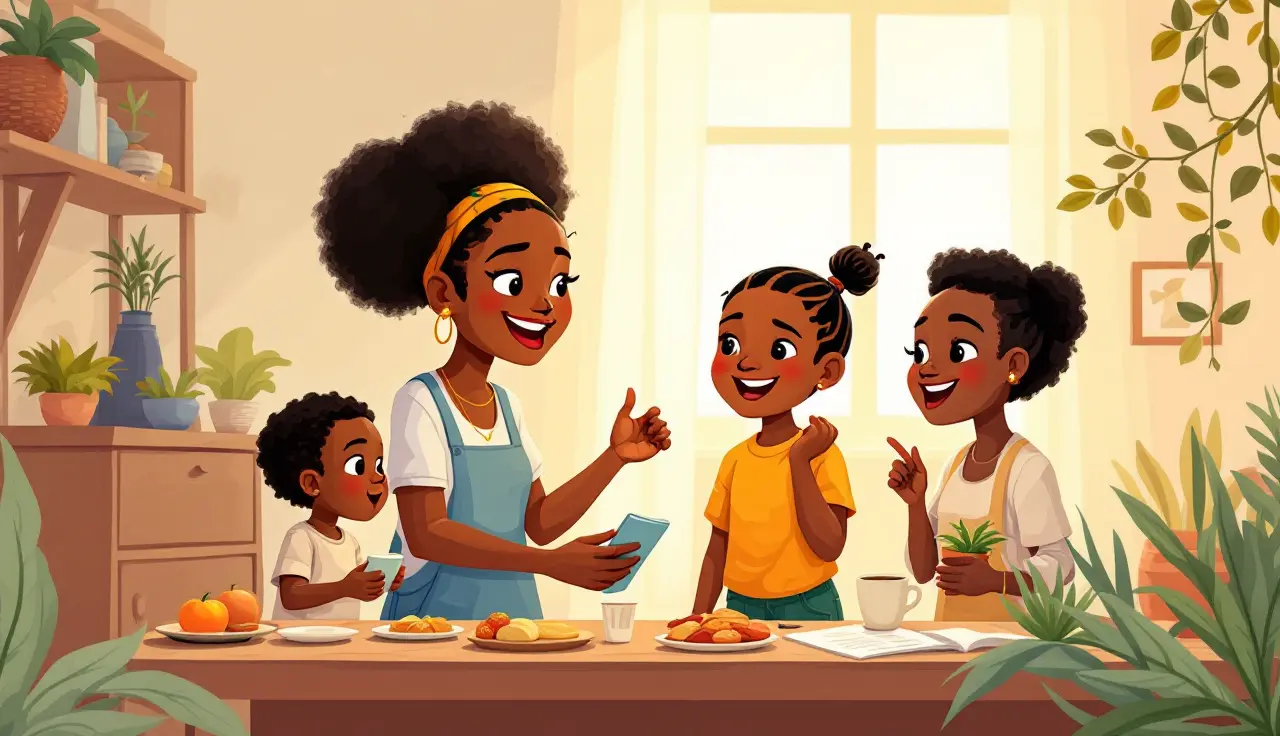
In Atlanta, I met a family much like mine. They had faced shame about their African accent. Their son, Kofi, felt embarrassed on show‑and‑tell day. He spoke proudly of his Ghanaian roots. Yet classmates giggled and stared. His confidence took a hit. This moment showed how deep accent shame can run. It also lit the spark for change. Kofi’s family began to embrace their true voice. They saw their accent not as a flaw, but as a gift.
Accents shape who we are. They affect how we see ourselves. They shape how others see us, too. Sometimes, this leads to hidden shame. For many African families in the U.S., fitting in feels tough. They want to honor their roots and join a new culture. Embracing an African accent is more than speech. It is a path to self‑love and pride. It challenges the wrong idea that accent equals skill.
In this post, I will cover:
Let’s turn shame into pride.
People often link accent with worth. Society sets a “standard” voice as best. Other accents feel “less than.” This hurts self‑image and belonging. When people see your accent as odd, shame can follow.
Research by the American Psychological Association shows:
Knowing this helps us start to build real confidence.
Long ago, colonial rulers set language rules. They said European accents were best. They sidelined native tongues and their accents. Those old rules still affect us today.
Media and books often favor a “neutral” voice. They link some accents to power. They paint others as less smart. For example:
Seeing these roots helps us break free. We can reclaim our language pride.
Stories bring these struggles to life.
Nigerian author Chimamanda Ngozi Adichie has shared her story. She landed in the U.S. and first felt alone because of her voice. Her journey shows how painful this can be. Reading these accounts helps us feel we are not alone.
TV and film often shape our ideas. They cast African accents as jokes or villains. Such portrayals feed shame.
A study of Hollywood films found:
Challenging these images is key. We can push for true, varied voices on screen. When media shows real accents proudly, we all win.
At work, accent bias can block doors. Hiring managers may prefer “standard” accents. This can cost jobs and promotions.
Surveys reveal:
Companies must act. They need training on language diversity. Inclusive teams value every voice.
Society often ties speech to smarts. If your accent differs, you feel less able. This shakes self‑worth and belonging.
When you hide your true voice, your identity can fade. You lose part of your story.
Studies show:
Recognizing these roots helps us heal.
Accents carry history and power. Colonial times gave some voices more clout. Others were pushed aside.
Stories in media still favor certain accents. They say “neutral” is best. This hurts speakers of other accents.
Knowing this past spurs us to fight bias. We can speak with pride.
I once felt deep shame about my voice. In class, I said “water” and children laughed. I tried copying other accents to fit in.
A friend was teased so much she stayed silent. Her story echoes in many hearts.
Actress Lupita Nyong’o also wrestled with this. She first changed her tone for roles. Then she embraced her Kenyan accent as power. Her choice inspires us all.
Films and shows often shape public bias. They make African accents the punchline or villain’s voice. This hurts real people every day.
Hollywood tends to:
We must demand better. More authentic voices mean more respect.
Work can feel unwelcoming. Bias may show up in hiring and team talks. A “standard” accent becomes a gatekeeper.
Voices get boxed in stereotypes. This saps confidence and joy.
Companies that train staff on accent diversity see:
Teachers shape young minds. They may favor clear “standard” speech. This can lower grades for others.
Research shows:
Schools can change by:
Entertainment influences daily life. When media mocks accents, people suffer shame. It seeps into social and job settings.
“Black Panther” broke molds. It showed African voices as strong and proud. This shift proves representation works.
Accent bias in jobs cuts careers short. One study found non‑native speakers are 20% less likely to get interviews. This hurts families and futures.
I faced skepticism at work. Despite my skills, I felt judged. Only by focusing on my strengths did I triumph.
Companies that value accent diversity report:
Tests often favor standard speech. That skews results against regional accents. It affects long‑term self‑worth and grades.
Teachers’ hidden biases matter. They may see accent as lack of intelligence. This hurts student confidence.
When teachers get bias training, student success rises. Classrooms become places of pride, not shame.
Accepting an accent means facing long‑held biases. A Pew Research Center survey found:
Knowing this is the first step to change.
Building confidence takes practice and support:
Studies show that regular practice in a safe space boosts self‑esteem.
Stories inspire:
These wins show how small steps lead to big change.
Confidence comes from doing. Public speaking clubs help you learn:
Recording your voice helps you track growth. Feedback from peers offers new ways to improve.
Persistence pays off. Adichie spoke at many events. Each time, her voice grew stronger.
Turning shame into pride starts with culture. Your accent is a badge of identity.
Participate in:
These events:
Film festivals celebrating African languages offer real triumph. They prove that our accents enrich, not diminish.