By Lionel Kubwimana
••13 min read
Discover why many African diaspora kids feel ashamed of their native language and learn how families, schools, and communities can help restore language pride.
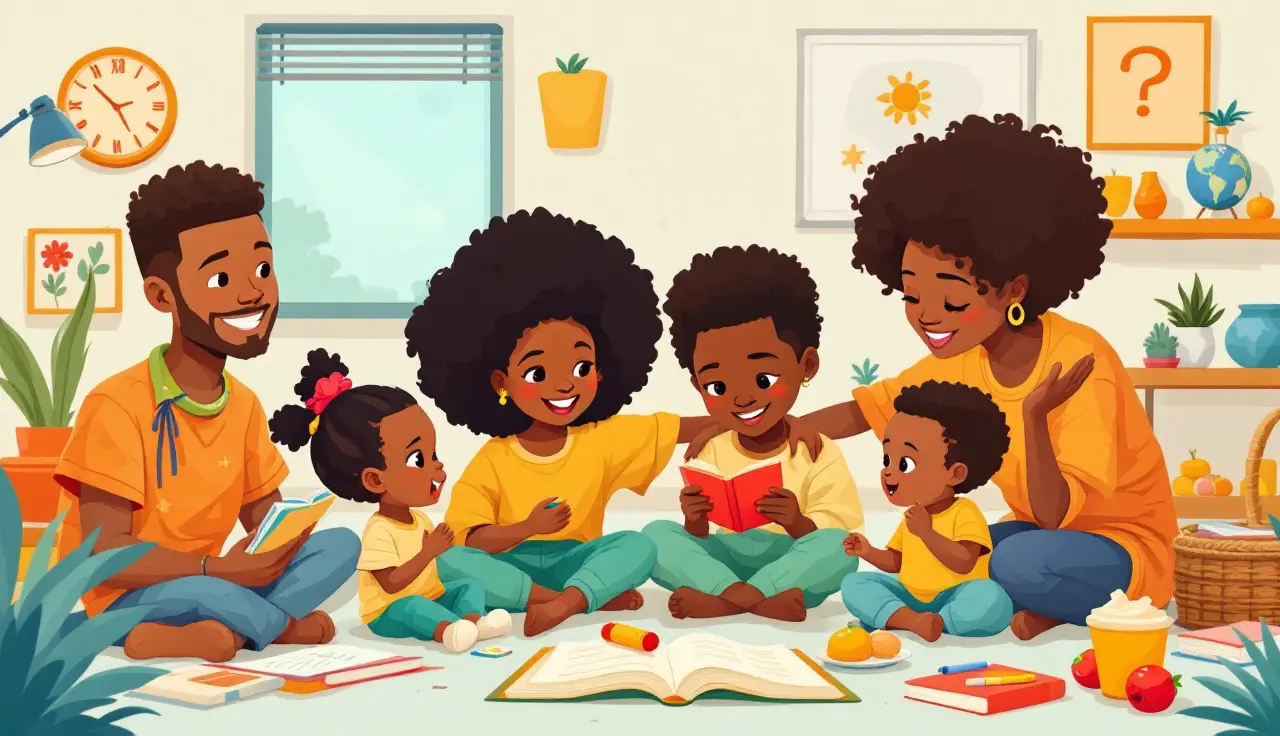
In a busy school hallway halfway across the globe, young Amina clutches her lunchbox tightly. Her heart beats fast as she hears classmates mock the way she speaks. She has just returned from visiting her grandmother in Ghana. There, she was surrounded by the rich sounds of Twi—her family’s native language. Now, in this new land she calls home, her attempts to speak Twi invite sneers and teasing.
This moment is not isolated. It is a clear example of the cultural identity struggles many African diaspora kids face. Language bullying in school can make these children feel ashamed of their native tongue. It creates a divide between them and their roots.
This shame is more than an emotional burden. It causes a deep disconnect from their heritage. As these kids try to fit in, they are caught in a tug-of-war. They want to keep their cultural identity, yet they also want to be accepted by their peers. The language they speak—or choose not to speak—becomes a battleground for acceptance and belonging.
In this blog post, we will explore the many factors behind this problem. We will look at history, migration, media, and school pressures. We will also share real-life success stories that show how language pride can be built even when times are hard. Join us as we discover ways to change a cultural disconnect into a celebration of identity and diversity.
The history of language shame among African diaspora kids goes back to colonial times. Colonial powers set up a system that made European languages seem better than native tongues. Local languages were often banned in schools or pushed aside. For example, during British rule in Kenya, English was forced as the language of instruction. Local languages were used only at home or in informal settings.
This historical bias still affects many kids today. They may feel that speaking their native language is wrong because of ideas from the past.
Understanding this helps explain why many children feel a crisis about their cultural identity.
When families move to a new country, there is strong pressure to fit in. In their new home, the dominant language is needed to be accepted. Children learn quickly that speaking their native language might mark them as “foreign.” This can lead to teasing and bullying.
Many African immigrant families in Europe and America share stories of feeling forced to use English or French. Surveys show that in many cases the native language fades quickly over a few generations.
These pressures push kids away from their heritage, making it hard for them to be proud of their language.
Media also plays a big role in shaping how language is seen. In films and TV shows, African languages are sometimes shown as funny or primitive. These negative images can make kids feel that their native tongue is something to be embarrassed about.
Studies show that Western media rarely shows bilingual people in a positive light. Instead, characters speaking African languages are often ignored or made fun of. This lack of positive role models can lead young viewers to hesitate using their native language in public.
Changing these images in media can help build pride in one’s heritage language.
The colonial era left a deep mark on how languages are valued. European languages like English and French were imposed as superior. Policies during colonial times forced their use in schools and government, sidelining local tongues.
For example, under British rule in Kenya, English was the only language taught in schools. These ideas still persist today. Many kids feel that their native language is a reminder of a past they are told to leave behind. Studies show that colonial policies created a lasting gap between heritage languages and the modern world.
School life plays a big role in a child’s language choices. In many schools, African diaspora kids are teased for their accents or for speaking their native language. This is known as language bullying.
For example, in schools across the US and UK, some children are mocked for their pronunciation or for using words from their heritage language. This teasing makes them feel ashamed. They may stop using their native language altogether to avoid being bullied.
Educators can help fix this by celebrating linguistic diversity. When teachers hold language clubs or cultural events, children feel proud of their background. Reports show that schools with programs supporting multiple languages see higher levels of self-esteem among students.
Creating a safe and welcoming school environment is very important.
The way school curriculums are designed has a big effect on language retention. In many schools, African languages are missing from the lessons. This absence makes children feel that their native tongue is unimportant.
In many places, the focus is on English, French, or other dominant languages. Some schools have dual-language programs that let students learn both their native language and the dominant language. These programs show better academic performance and stronger cultural pride.
Studies prove that when a school includes a native language in its curriculum, students feel more connected to their roots. Policymakers need to change curriculums so that all languages are respected and celebrated.
Collaboration among teachers, parents, and community leaders is needed to create a more inclusive curriculum.
Community organizations are very important for fighting language shame. They run language classes and cultural events that help kids embrace their heritage. For example, community-led programs often offer workshops and storytelling sessions that connect children with their roots.
These groups also build support networks for parents. When families join community events, they learn new ways to keep their native language alive at home. One example is a Somali Family Support Group in Toronto that holds bilingual workshops for parents and kids. Studies show that community initiatives help children feel proud and secure in their identity.
By creating environments that celebrate native languages, community organizations help counter bullying and cultural disconnect.
Parents play a key role in how children view their heritage language. Many parents from the African diaspora may believe that speaking the dominant language (like English or French) will give their children better chances in school and work. This belief sometimes makes children feel that their native language is less important.
However, many parents work hard to keep their native language alive. They use storytelling, celebrate cultural events, and set rules for when to use their heritage language. For instance, a Ghanaian family in Canada might speak only Twi on weekends. This practice builds a strong connection to their roots.
Interviews with parents show that when adults value their native language, children are more likely to do the same. Research on language transmission between generations confirms that parental support is key to keeping a language alive.
Siblings can affect whether children keep their native language. Older siblings often set the example. If an older sibling stops speaking the native language to fit in, younger siblings might do the same. But if older siblings proudly use their heritage language, younger ones are more likely to follow.
Differences in language skills among siblings can happen for many reasons. Older children might have learned more of the native language before migration, while younger ones may get more exposure to the dominant language at school. This gap can create tension and lead to a loss of the native tongue.
Parents can help by planning family activities that promote using the native language. When siblings practice together, they support each other and build a shared cultural identity.
Using language to connect generations can help fix a cultural disconnect. When grandparents share stories and traditions in their native language, it brings the family closer. It also helps younger children learn about their heritage in a personal way.
For example, a Zimbabwean family in Australia might hold regular storytelling nights. Grandparents tell traditional tales in Shona, passing down history and values. This practice builds strong family bonds and cultural pride.
Programs that link grandparents and youth through language lessons have shown good results. These interactions give kids a clear idea of their cultural roots. Studies reveal that when families share language across generations, children feel more proud of their identity.
Language shame among African diaspora children often comes from being bullied for speaking their native tongue. For example, a 10-year-old named Kofi in the U.S. was teased for speaking Twi. This bullying can create a strong disconnect from their heritage. Kids may end up rejecting their native language altogether.
Research shows that children with strong cultural ties have higher self-esteem. When kids are made to feel ashamed of their language, they lose a part of who they are. It is important to understand that the problem lies not in the language itself but in how society treats it.
To bring back language pride, many efforts are needed from schools, communities, and families. Here are some ideas:
Studies show that when these strategies work together, children feel more confident using their native language and grow up proud of their cultural identity.
Many programs and families have managed to bring back language pride among African diaspora children. For example:
These success stories show that change is possible when schools, communities, and families work together.
A major problem is that many schools do not include African languages in their lessons. When children do not see their language in the classroom, they may feel it is not important. Advocacy groups such as the African Language Advocates Network work hard to change this. They promote the right to learn in one’s native language and push for policy changes.
For instance, in New York City, some public schools have added Swahili classes. Research shows that bilingual programs improve academic performance and cultural pride. Such changes help children understand that their heritage language matters.
Advocacy groups recommend that schools develop curriculums that celebrate all languages. Teachers, parents, and community leaders must work together to create a safe learning environment. Reports from organizations like Education for Diversity show that when schools adopt inclusive policies, students feel more confident and proud.
One example is the New York City public school system, where adding Swahili classes has led to better language retention and pride among students.
Public figures who celebrate their heritage play a big role in fighting language shame. Celebrities such as Chimamanda Ngozi Adichie speak their native languages in public. Their actions show young people that their language is valuable. When kids see role models proudly using their native tongue, they are more likely to embrace it themselves.
Studies show that positive media representation boosts self-esteem and helps break down negative stereotypes about native languages.
Global networks help African diaspora kids connect with others who share their language. Online platforms like Tandem and InterPals let people practice language exchange with peers around the world. These digital spaces help reduce feelings of isolation and build language confidence.
Projects such as the Global Youth Culture Exchange program allow kids to share their stories in their native language. These exchanges build pride and help close the gap between generations. Case studies of groups like the Polyglot Club show that such networks are very effective in reducing language shame.
The journey to understand why kids reject their native language is complex. It is tied to deep issues such as bullying, cultural identity crises, and historical biases. For example, when a child like Kofi is mocked for speaking Twi, it can hurt his self-esteem. These experiences lead kids to hide their language, losing touch with their heritage.
Research tells us that children who feel strong cultural ties have higher self-esteem. By addressing the root causes of language shame, we can help children take pride in who they are.
Here are some practical ideas to bring back language pride:
Research shows that when these strategies work together, children become more confident and proud of their heritage language.
Many families have shown that these strategies work. One family held weekly language nights. At dinner, they spoke only in their native language. Over time, their children’s skills improved, and even the non-speaking parent learned some words. Another family joined a local language club. They met with other families, practiced together, and shared tips. These examples prove that careful planning and teamwork help keep a child’s native language alive.
Parental beliefs strongly influence how children view their native language. Many parents think that speaking the dominant language (like English or French) will give their children better chances in school and work. This belief can sometimes make children feel that their heritage language is less important.
On the other hand, some parents make a strong effort to keep their native language alive. They may speak only their heritage language at home or set specific times to use it. For example, a Ghanaian family in Canada might speak only Twi on weekends. This practice builds a strong connection to their roots. Interviews with parents show that when adults value their native language, children tend to do the same.
Siblings also affect language use at home. Older siblings serve as role models. If an older sibling stops using the native language, younger ones might follow that choice. Conversely, if older siblings use the language proudly, it encourages younger children to do the same.
Differences in language skills can also come from factors like birth order or age. Older children might have learned more of the native language before migration, while younger ones learn mostly the dominant language at school. This gap can cause tension and lead to a loss of the heritage language.
Parents can help by organizing family activities that promote using the native language. When siblings practice together, they support each other and build a shared sense of cultural identity.
Connecting different generations through language can help fix cultural disconnect. When grandparents share stories in their native language, it brings the family together. It also helps younger children learn about their heritage in a personal way.
For example, a Zimbabwean family in Australia might hold regular storytelling nights. Grandparents tell traditional tales in Shona, passing down history and values. This practice builds strong family bonds and cultural pride. Programs that connect grandparents with youth have shown good results. These interactions give kids a clear idea of their roots and help them feel proud.
Raising a bilingual child in a mixed-language home is a journey filled with both challenges and rewards. In this post, we explored why many African diaspora kids may feel ashamed of their native language. We learned that history, migration, media, and school pressures all play a part in creating a cultural identity crisis.
We saw that colonial legacies made European languages seem better. Migration and assimilation pressures force children to use the dominant language to fit in. Media stereotyping makes native languages seem unworthy. And schools that ignore linguistic diversity add to the problem.
However, there are many practical solutions. Schools can change their curriculums to include African languages. Teachers can learn to support all languages. Community groups can hold language classes and cultural events. Parents can use everyday routines—like storytelling, songs, and meals—to keep their native language alive. Advocacy groups can push for policies that support bilingual education.
Real-world success stories show that change is possible. Many families have reclaimed language pride. Public figures who speak their native languages openly inspire young people to be proud of their heritage. Global networks help children connect with others who share their language, reducing isolation and building confidence.
The key is working together. Educators, parents, community leaders, and public figures must all join forces. By creating safe and supportive environments, we can help our children embrace their cultural identity. This will lead to stronger self-esteem, better school performance, and a lasting connection to their heritage.
As you begin your own journey of family language planning, remember that every small step matters. Set clear goals, celebrate each achievement, and make language learning a fun, regular part of your daily life. Get everyone involved, even if one parent is not fluent in the target language. Work together as a team.
Imagine a future where every child grows up proud of their native language—a future where cultural diversity is celebrated in schools, on television, and in communities. With hard work and support, that future is possible.
Let this guide be your roadmap. Embrace the challenges with hope and determination. Every moment spent learning together builds a stronger bond. Every story told in your native language keeps your culture alive. Your efforts today will shape a future where language is a bridge to understanding and pride.
Together, you can overcome the obstacles and build a legacy of bilingualism. Your child will grow up with two languages, a deep connection to their roots, and the confidence to face the world. Cherish every step of this journey. Celebrate the victories and keep moving forward. In doing so, you will create a home where your native language is honored and your heritage lives on for generations to come.