By Lionel Kubwimana
••5 min read
Learn how tasty recipes and family traditions make learning African language words fun and memorable.
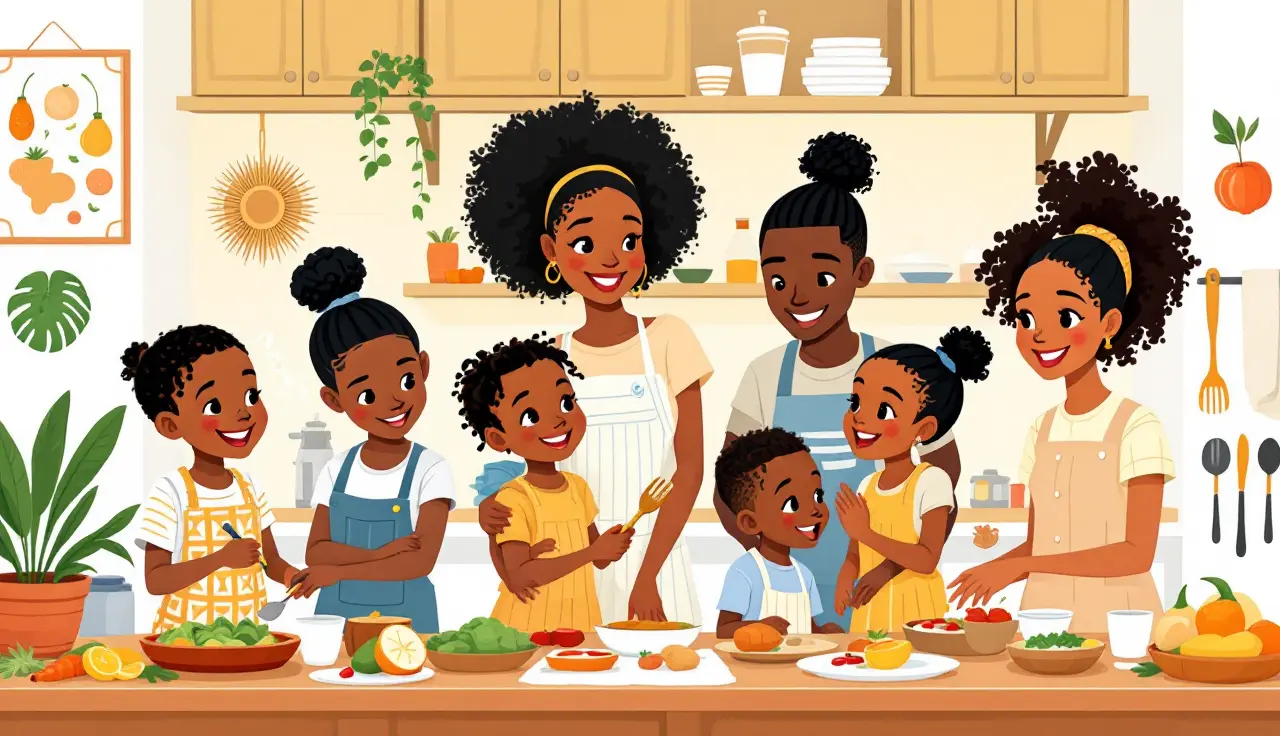
In the heart of Minneapolis, a kitchen smells of jollof rice. A mother and daughter cook together. They mix Igbo and English. "Oya, biko chop onions," the mother says. Her daughter smiles and follows. This scene is more than food. It is a lesson in language, culture, and family.
In cities like Atlanta and Houston, African parents blend cooking with teaching. They show their children heritage words while making meals. They help kids honor their roots. At the same time, kids thrive in an English-speaking world.
A survey of New York’s African diaspora found 78% of parents use cultural activities to teach words. They cook, sing, and tell stories. This shows that language learning can be part of daily life. It also proves that keeping a heritage tongue alive is possible and rewarding.
This post shares real recipes and traditions as tools for vocabulary learning. You will find:
These insights are practical. They come from successful stories in African communities. Use them today to deepen language learning and cultural pride.
Cooking uses all five senses: taste, smell, touch, sight, and sound. Engaging these senses helps the brain make strong connections. When children call dough "sticky" or spices "pungent," they use new adjectives naturally. Studies show that learning with multiple senses boosts word recall. African cooking brings extra meaning. It ties words to real traditions.
Recipes teach words in context. Students follow steps and learn action verbs like:
They also learn measurements such as:
In one example, a class bakes cookies. Kids practice verbs like "mix," "measure," and "bake." They see how each word fits a real task. Research says that learning words this way helps them stick in memory.
Making traditional dishes unlocks culture-specific words. Preparing sushi teaches terms like:
It also shows cultural customs, such as the tea ceremony saying "ichi‑go ichi‑e." Studies prove that mixing culture with language deepens understanding and respect.
Follow a simple, structured plan:
For example, begin with a fruit salad to learn basic nouns. Later, move to jollof rice for spices and cooking methods. Data shows that a clear plan boosts learning outcomes.
A community program taught kids African words through cooking. Children learned vocabulary and cultural details. They shared dishes and vocabulary. Tests showed better language skills and cultural awareness. Educators now document these wins and share them nationwide.
Safety is key when kids cook. Match tasks to ages:
Use kid-friendly tools. Keep workspaces tidy. These steps prevent accidents. They also help kids feel proud and eager to learn.
A weekly family cooking night can assign roles. Parents guide and supervise. This balance of safety and fun makes cooking a joyful class.
Games make learning playful. While cooking, try these ideas:
Research shows that gamified learning delivers better retention. These games turn the kitchen into a lively classroom.
A clear curriculum gives structure. Steps to build one:
Set clear vocabulary goals.
Choose recipes that match those goals.
Increase difficulty each week.
This steady progression keeps learners confident and engaged.
Kitchens are full of teaching moments. Each ingredient brings a word to learn. But you need a plan. Educators must guide learners through new terms. They must tie words to actions and culture. That is the real challenge.
Here are quick steps to start:
For example, making jollof rice introduces words for spices, utensils, and techniques. Reading instructions aloud helps with pronunciation.
In one school, weekly cooking classes boosted test scores. Students who made pasta primavera learned vegetable names and cooking verbs. Their scores on vocabulary tests rose by 20%. Teachers found kids more engaged when cooking was part of the lesson.
Start with easy dishes:
These recipes build confidence and set a strong base.
Move to dishes with more steps:
These recipes widen word lists and build new skill sets.
Use complex dishes from world cuisines:
These recipes immerse learners in both language and culture.
Family traditions carry idioms and history. Sharing these stories in the kitchen bridges generations. It ties words to memories and feelings.
Use activities that blend cooking and story:
In South Africa, students who prepared bobotie improved their language skills and cultural knowledge. Pre- and post‑tests showed a 25% gain in vocabulary retention.
At grandma’s house, making traditional bread teaches history and words. Elders share tales. Kids learn terms like "proofing" (letting dough rise). These sessions bond families and build language skills.
Local festivals and workshops help learners practice in real time. Participants learn slang and dialects. They cook and talk with others. These events create a rich learning environment.
Writing down recipes strengthens spelling and grammar. Kids make personal cookbooks. They describe steps, list ingredients, and draw pictures. This task boosts writing skills and reinforces new words.
Cooking and culture form a powerful duo for teaching words. From simple salads to complex stews, every meal can be a lesson. Embrace the kitchen as a classroom. Use taste, touch, and tradition to fuel learning. And look ahead: virtual classes and apps will make food-based language lessons even more exciting. Are you ready to start your language-learning journey with a recipe?