By Lionel Kubwimana
••7 min read
Discover how uncovering tribal heritage can deepen your connection to culture and language. A personal journey of identity, tradition, and revival.
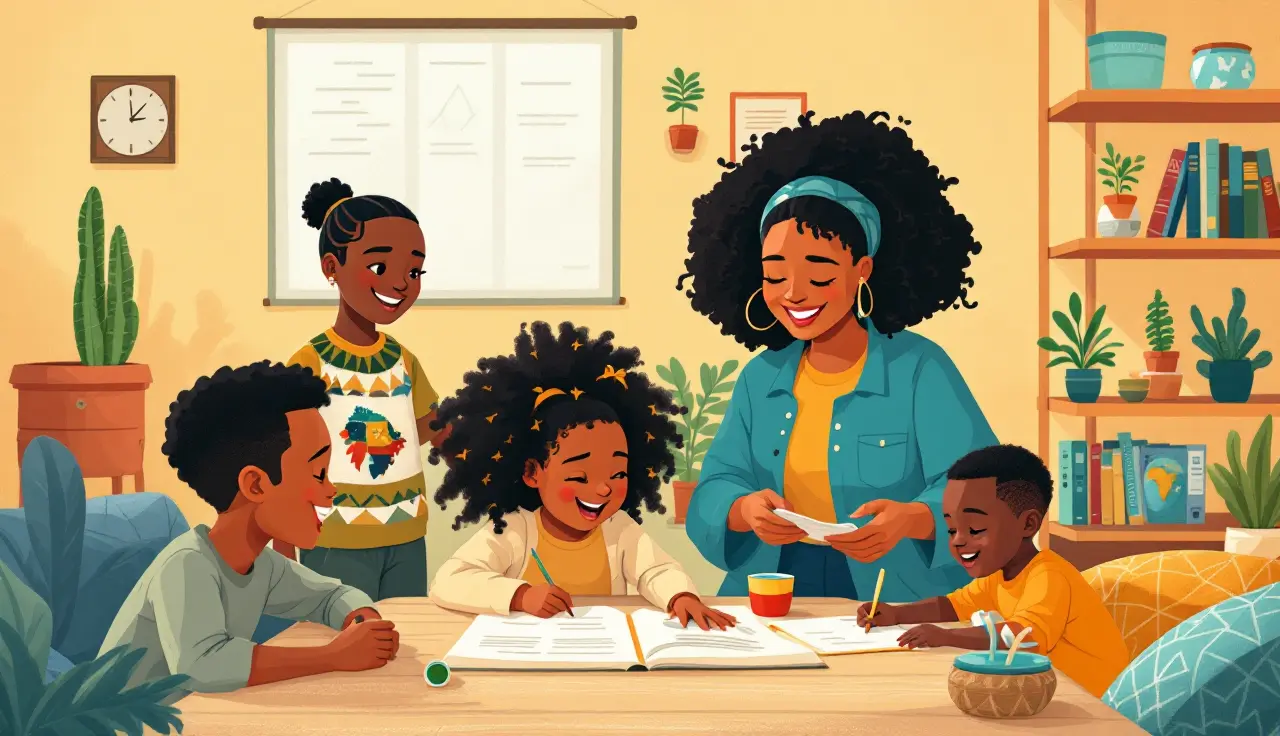
In Minneapolis, the Kamari family had a big goal. They wanted to keep their Swahili heritage alive after moving from Nairobi. One evening, their daughter Amina paused before speaking. She wasn't sure whether to use English, the language of her school, or Swahili, the language of her home. Her parents watched silently. They understood that moment. It captured their experience—trying to hold onto their African identity in a new land.
Many African families across cities like Atlanta, Houston, and New York face the same struggle. They want their children to speak the language of their ancestors, even while living far from home.
But there's a surprise here. While many assume African languages fade in multicultural America, the opposite is happening. Families are fighting to keep their languages alive. And they're using creative tools to do it. Community programs report rising enrollment numbers. That means more and more parents are stepping up to preserve their roots.
This blog shares how to keep a tribal language and culture alive—even in the heart of the U.S. Through stories, digital tools, and lessons from real families, we'll explore what works. Whether it's joining an online Yoruba class or organizing a traditional festival in Dallas, you'll find guidance here. This is more than a language learning guide. It's a map for holding onto who we are.
My journey began with curiosity. I wanted to know where I came from. I listened to family stories and searched through historical records. Each story added a small piece to the puzzle. It was like putting together a photo album I had never seen.
Then I used online ancestry tools. I connected with distant relatives—people I never knew existed. These weren't just names on a screen. They shared similar stories and backgrounds. Slowly, my family history came into focus. And with it, a strong emotional link to my roots.
This process didn't just tell me who my ancestors were. It made me feel part of something bigger. That feeling sparked a serious commitment—to preserve the culture and language they had passed down.
Learning about my heritage changed how I saw myself. It wasn't just interesting—it was personal. At first, I wasn't sure what I'd find in old documents or archives. But when I met tribal elders, everything changed.
They shared stories—deep, detailed, powerful ones. These stories weren't in any book. They came from real memories. They showed a rich culture that I had overlooked. It was like opening a door to a room I didn't know existed in my own house.
The impact was strong. It felt like I had been handed something sacred. I knew then that learning and preserving the ancestral language wasn't optional. It was necessary. I owed it to them—and to myself.
Learning about my heritage didn't stop at stories. It pulled me into the world of tribal customs and rituals. These weren't things I grew up practicing. But when I joined a tribal gathering, something clicked.
The dances, the music, the rituals—they felt strange at first. But they also felt familiar. They touched a part of me that had been asleep.
I attended a traditional festival for the first time. It felt like walking into a live history lesson. Seeing the costumes and hearing the chants made everything real.
It wasn't just a show—it was my culture, alive and moving. That moment gave me a clear mission: help these traditions live on. And help others reconnect like I had.
Language is more than just words. It holds history. It carries stories. It links generations. That's why it matters so much when you're reconnecting with your heritage.
Research shows this again and again. When communities keep their languages alive, they keep their identity strong. Language acts like a container—holding memories, values, and knowledge.
For me, learning my ancestral language became central to my journey. The stories I heard from elders were powerful. But I realized something—they lost meaning in translation. If I really wanted to understand them, I had to learn the language they spoke in.
That was the moment everything changed.
Learning a tribal language as an adult is tough. Here's why:
But I found ways to make it work.
Each word I learned felt like reclaiming a part of myself. Every lesson was a step toward bringing my culture back to life.
In many places, communities are taking charge. They're not waiting for governments or schools. They're building their own programs to save their languages.
In New Zealand, the Māori Language Commission created learning materials and media for kids. As a result, more Māori children are now fluent.
Indigenous tribes in the U.S. are doing the same. They're starting schools where only the tribal language is spoken. And they're using both old methods and new tech to teach.
These aren't just classes—they're lifelines. They create spaces where culture grows, not just survives.
I once visited a tribal school focused on language. It was unlike anything I had seen.
They used songs, games, and apps—all in the native language. Elders worked alongside teachers. Kids learned grammar through dance and history through stories.
This wasn't just education. It was cultural rebirth.
The results? Students not only spoke fluently—they understood who they were. That's the power of language learning done right.
Tracing my roots turned old names on paper into living people. I could imagine their voices. I could see their homes. And most importantly, I could hear the language they spoke.
Those stories weren't just about the past. They explained the present. Why our family acts the way it does. Why certain phrases are said during holidays. It all made sense once I understood the language.
Through online ancestry tools, I met relatives from different countries. We shared stories and photos. We learned that even if we grew up far apart, our roots were the same.
Talking with them inspired me. I wasn't alone in this journey. There were others trying to revive the same language, honor the same traditions.
That made everything feel more urgent—and more doable.
Let's face it—learning an endangered language isn't easy. You might feel:
But here's what helped me:
Small steps added up. And seeing others doing the same kept me going.
Language apps can do more than teach grammar. They can make learning feel like a game.
Some apps let you earn points, unlock stories, or hear recordings from native speakers. These features help people stick with it—even when it gets hard.
Gamified learning isn't just a trend. It's a real solution, especially for younger generations.
When you're part of an online learning group, you're never alone. You can ask questions, share progress, and stay motivated. These communities make a big difference.
You learn faster. You stay encouraged. And most importantly, you realize your journey matters.
Cultural events do more than entertain. They unite people.
Annual festivals, storytelling nights, and food fairs give families a chance to reconnect. These events often include workshops for kids, song circles, and elder talks.
They're powerful reminders of who we are.
You don't need a big budget to celebrate your roots. Here are simple ways to start:
Every small action counts. When done consistently, they help keep culture alive.
The future of tribal languages depends on today's children. If we can make learning fun and meaningful for them, the language will survive.
That's why programs are creating content just for kids—cartoons, storybooks, and games in native languages.
It's not about copying school methods. It's about building new, exciting ways to learn.
My journey started with questions. Now, it's a mission.
I want more people to feel what I felt—to discover their roots, hear their language, and know their identity. With the right tools and support, this is possible.
We're not just learning words. We're reviving cultures.
And that's a journey worth taking.