By Lionel Kubwimana
••5 min read
How African diaspora families bridge generational gaps under one roof. Learn practical strategies for harmony, culture, and communication.
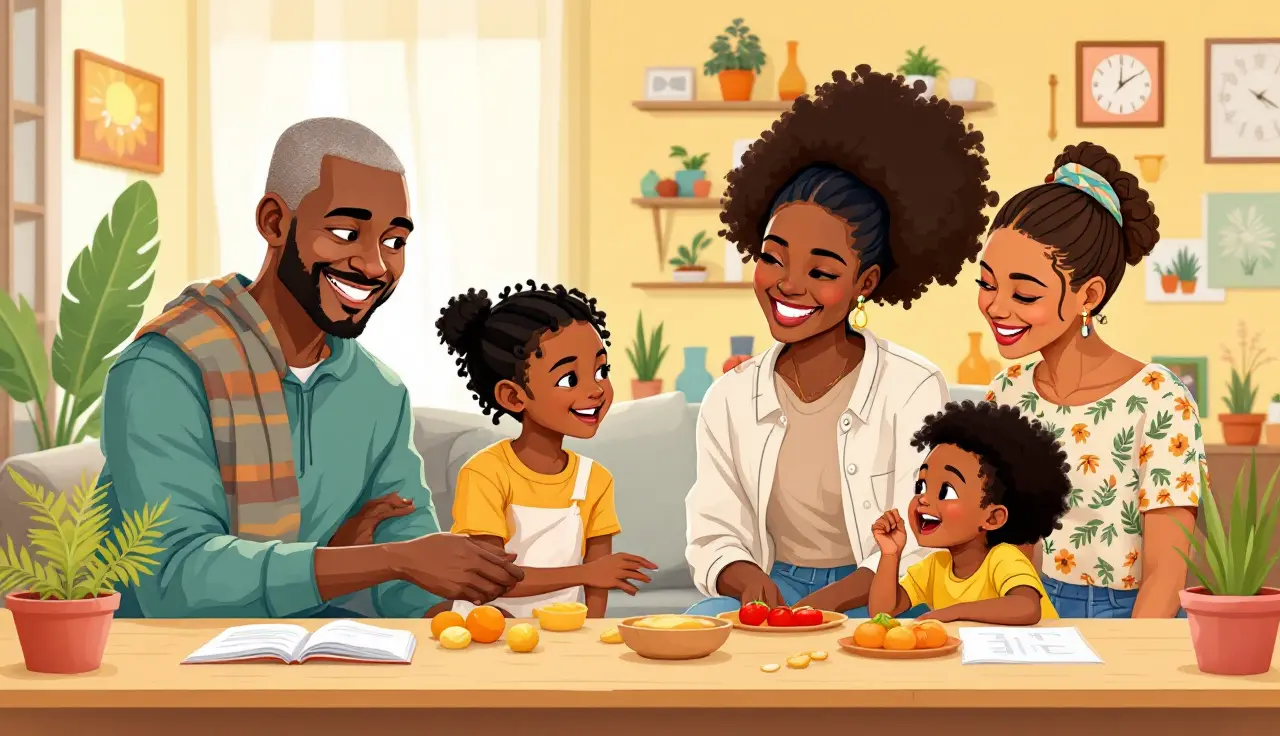
In the heart of Atlanta, Georgia, the Ngoma family sits around their dining table. The room hums with both Kirundi and English. This mix of languages does more than connect generations—it shows how tradition and modern life intertwine.
For African families in cities like Atlanta, Chicago, and Los Angeles, raising children in the U.S. often means finding a delicate balance. Grandparents tell rich stories from back home. Kids talk about school projects and social media. These conversations are more than small talk—they’re about identity, belonging, and the effort to live in two worlds at once.
This blog explores how families manage life when multiple generations live under one roof. From cultural differences to family schedules, we’ll look at real stories, practical tools, and ways to reduce friction while keeping family bonds strong.
Living with elders and children in the same home brings both joy and stress. Elders may expect children to follow cultural rules, like eating together every night or showing respect through quiet obedience. Kids may prefer flexible routines and value freedom.
Take the Hernandez family. The grandparents wanted daily dinners together. But the teens had after-school clubs, homework, and sports. Everyone felt misunderstood. They finally agreed to shared meals on weekends, and the tension eased.
Understanding each generation's values helps avoid friction. Research confirms that recognizing generational priorities—like tradition for elders and independence for youth—makes daily life smoother in multigenerational homes.
Open communication is one of the best tools families can use. Simple weekly meetings can work wonders. Everyone—elders, parents, and kids—can speak up and listen.
The Patel family started holding Sunday meetings. They talked about schedules, chores, and feelings. Soon, arguments dropped, and understanding grew.
No generation is always right. Compromise builds respect. For example, elders might keep traditional meals, while kids get a say in the timing or setting.
Studies show that families who practice empathy and shared decision-making report fewer arguments and greater satisfaction at home.
The Nguyen family blended Vietnamese traditions with American life. They celebrated cultural holidays together and added modern activities like family game nights. These traditions became bridges, not barriers.
This kind of intentional effort strengthens bonds and keeps heritage alive in a way that includes everyone.
Families who succeed often show improvement in clear ways:
These signs show that real change is possible with small, steady adjustments.
Elders often carry deep cultural values. Respect, routine, and shared meals may be seen as non-negotiable.
For example, the Lee family expected daily dinners. Their teenagers pushed back due to packed schedules. Tensions rose. But when they talked openly, they settled on weekly meals everyone could attend.
Studies show older generations prioritize togetherness and respect. Younger ones may value personal freedom more. Understanding this helps avoid power struggles.
Kids today live in a digital world. Phones, games, and social media shape how they connect and communicate. This often pulls them away from family time.
On average, kids spend over seven hours a day on screens. That’s more than school hours. This shift can feel like disrespect to elders who value in-person connection.
Modern kids juggle school, sports, hobbies, and friendships. Their world moves fast. Family dinners and cultural events may clash with their calendars.
Understanding this helps families avoid unfair judgments. It’s not that kids don’t care—it’s that they are often overwhelmed.
One simple way to connect generations is through shared experiences. Storytelling, cooking together, or celebrating heritage holidays can bring everyone closer.
The Johnsons started “tradition nights” once a month. Each generation picked a favorite story, food, or song to share. Everyone looked forward to it.
Listening without judgment creates a safe space for honesty. Kids need to know their views matter. Elders need to feel respected.
Research shows active listening builds trust and reduces arguments. It’s one of the simplest but most powerful tools for family harmony.
Elders might expect obedience and shared traditions. Kids are growing up in a fast-changing world. They may value independence, diversity, and freedom.
This clash isn’t about right or wrong. It’s about context. Each generation sees the world differently.
Understanding both views can create space for compromise.
Including traditional celebrations—like Kwanzaa, Eid, or Lunar New Year—strengthens family ties. Families that practice rituals together feel closer.
Research confirms that shared cultural experiences increase mutual respect and reduce generational tensions.
In many households, elders speak the native language. Kids speak mostly English. This gap can cause misunderstandings or emotional distance.
But it can also be a bridge. Children who translate or learn their family’s language become connectors between generations.
You don’t need a perfect language plan. Start small:
Over time, these habits create a bilingual rhythm that includes everyone.
Celebrate Christmas and Diwali. Cook jollof rice and spaghetti. Switching roles for planning cultural events helps each family member feel included.
Organize “culture nights” where each generation shares something—a dish, a dance, or a historical fact. These activities create pride and connection.
Surveys show that families who engage in cultural sharing are more resilient, respectful, and emotionally close.
Money is often a source of hidden tension in shared homes. Elders may be retired. Parents may be supporting children and elders. Teens may want spending freedom.
Shared financial planning helps. Families who use budgeting tools, clear spending agreements, and open conversations report less stress.
Workshops, apps, and advisors can help build a plan that serves all generations.
What does each generation hope for? Travel? Education? Health? Respect?
Creating a vision board—on paper or online—lets everyone share their goals. It also shows where dreams overlap.
Instead of just reacting to problems, plan together:
These goals build excitement and reduce generational resentment.
In multigenerational homes, balancing elders and kids is not a one-time fix. It’s an ongoing practice of communication, empathy, and shared goals.
Together, they can create a rich, respectful, and joyful family culture.
The journey isn't always easy—but with the right tools, families can thrive across generations.