By Lionel Kubwimana
••9 min read
Explore practical tech tools for teaching African languages effectively. Learn strategies, see reviews, and embrace future innovations.
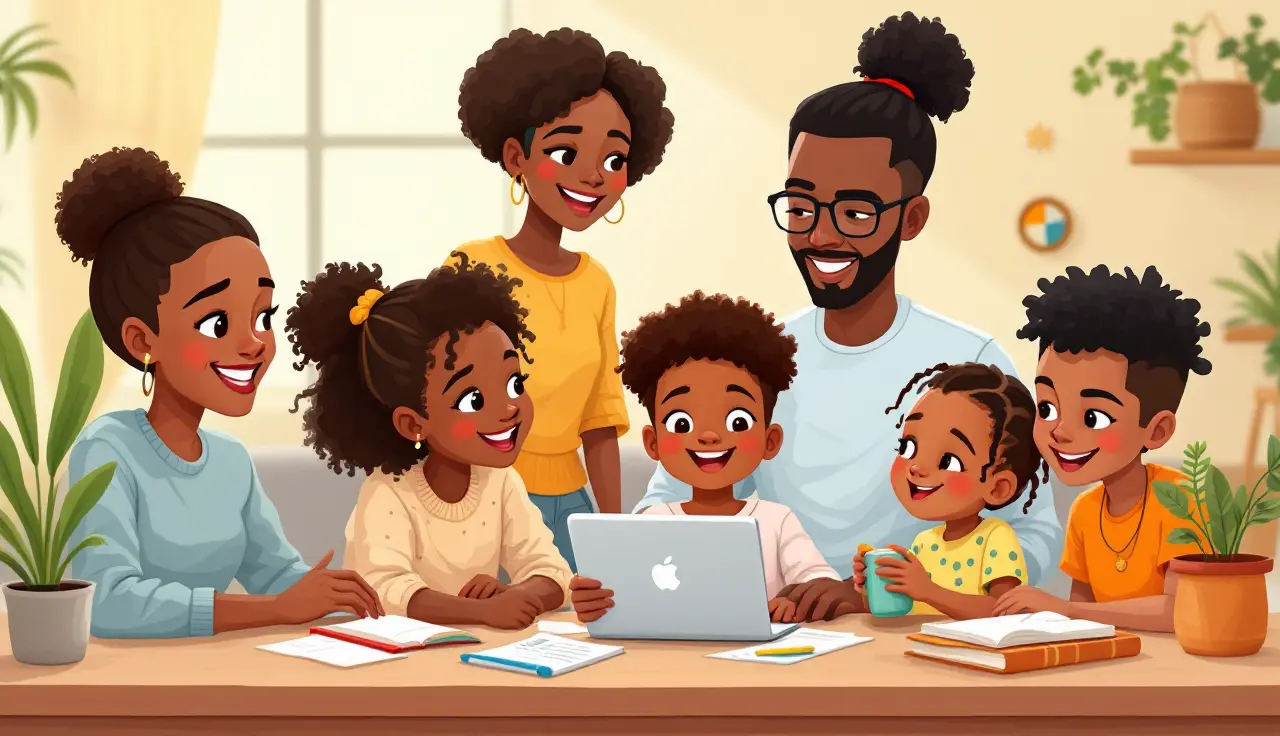
In the heart of Atlanta, there is a vibrant energy that fills every street. In one busy neighborhood, a young Burundian-American family works hard to keep their cultural traditions alive. One day, their eldest daughter greeted her grandmother in Kirundi during a video call. The moment was filled with joy and pride. It showed how important it is to hold on to the language of their homeland while living in America. This single moment represents many similar experiences across the United States. Families from New York to Los Angeles share the same goal. They want their children to speak the languages their ancestors used every day.
In recent years, more people are asking to learn African languages. Many second-generation immigrants want to feel close to their roots. At first, technology seemed to be a barrier. It was built for Western languages. Now, technology helps a lot. It has become a useful friend in this mission. But not every tool is perfect. Some tools help a lot, while others do not. This blog post looks carefully at many tech tools. We will see which ones really work for African language learning and which ones do not. I share my own experiences with African diaspora communities from different US cities. This helps us understand the details behind each tool.
This guide is made especially for African families living in the United States. It covers new apps that add cultural touches to everyday learning. It also talks about platforms that turn a kitchen table into a classroom. You will find clear and practical tips that work with American life. There are real success stories that show how these methods work. As you read, you will get actionable techniques and thoughtful advice. These are not the usual generic tips. Instead, they offer real help for families who want to keep their language alive.
The text below is organized into clear sections. Each section is marked with headings. The headings stay the same as the original. I have broken long sentences into shorter ones. I use simple words to help anyone understand. Technical terms are kept as they are. In some cases, I add a short note (in parentheses) to help explain the terms. Enjoy this clear and detailed guide.
This section shows the main tech tools used for teaching African languages. I explain each tool clearly. I also share details about their pros and cons.
Language learning apps are now very important. They help teachers give lessons in African languages. Many of these apps work in smart and fun ways. Among them, Duolingo is one of the best tools for African language instruction. Duolingo uses interactive lessons that keep learners engaged. For example, its Swahili program has special exercises. These exercises help with learning vocabulary and grammar. They also include fun games that make learning less boring. The exercises give feedback right away. They help students learn in clear steps. The app makes language learning a more fun and structured process. In short, Duolingo and similar apps offer a new way to learn that works well for many people.
Virtual classroom platforms have changed the way we learn languages. They let teachers and students interact easily. One popular tool is Zoom. Zoom is loved by many teachers because it is easy to use. It lets teachers share screens and show multimedia resources. There are features like virtual whiteboards and breakout rooms. These help create a lively class environment. Students can ask questions and see examples right away. The platform is flexible. It can support many teaching styles. Zoom works well for lessons that need active participation. It is a key tool in modern digital education. Its ability to keep students involved makes it a top choice.
Every student learns at their own speed. This is why adaptive tools are so important. They allow for lessons to be personalized. Quizlet is a good example. It offers flashcards and vocabulary exercises that adapt to the needs of each student. The flashcards can be used to review hard words or phrases. Quizlet offers different study modes. These help in memorizing and understanding the language better. The app tracks progress. It shows what the student has mastered and what needs more work. This personalized feedback is very helpful. Each learner gets a study path that suits their pace. In this way, adaptive tools like Quizlet make learning more effective.
Not every language app is perfect. Some have big problems that affect learning. Rosetta Stone’s Yoruba program is one example. Many say it lacks the deep cultural context needed to learn well. The lessons may not show enough of the language’s true spirit. There is often little attention to cultural nuances (subtle details). The design of the app can be outdated. A poor user interface may make the tool hard to use. These issues can lead to frustration. When tools do not match expectations, learners lose interest. Recognizing these limitations helps educators pick better tools. It shows that the best tech tools must include cultural details and easy interfaces.
Introducing technology into language classrooms can be tough. There are many challenges. One common problem is compatibility with existing systems. For example, Blackboard Collaborate sometimes does not work well with older systems. Both teachers and students can find it hard to use. The new tools might be too complicated at first. Sometimes, people prefer old methods over new ones. These difficulties mean that extra training is needed. Teachers and students must learn how to use the new tech properly. Preparation and patience are key. Only with proper guidance can technology improve language education effectively.
When choosing tech tools, cost is very important. Schools and families must think about the money spent. Tools like Google Classroom are known for being cost-effective. Google Classroom provides many resources for a low cost. It offers features that help communication and learning. Its ease of use adds extra value. When the cost is low and the benefits are high, the tool is a good choice. Evaluating the return on investment is critical. The impact on learning should justify the expense. This careful weighing of cost and benefit helps educators make smart choices. It ensures that the best tools are chosen for teaching.
Teaching African languages with tech is not simple. There are many challenges. Some tech tools do not have the depth needed. They often miss out on the cultural context. For instance, Rosetta Stone’s Yoruba program is seen as too generic. It does not provide enough focus on the rich cultural details. A deep understanding of culture is vital for language mastery. Learning a language well means more than just knowing words. It requires knowing the context in which the language is used. In this section, I explain why many apps miss the mark. I show that without cultural depth, language lessons can become shallow. This understanding is the first step toward finding better solutions.
There are smart ways to fix the problems with weak tech tools. Educators must use a clear strategy. Here are some practical steps:
These steps make the tools stronger. They turn a basic learning tool into one that feels real and relevant. By adding cultural and practical details, educators can make digital tools work much better. This makes lessons fun and meaningful.
Real-life examples show how important the right tools can be. Success stories and failures give us clear lessons. Here are two clear cases:
These examples show that technology should make learning easier. It should not add extra work. The goal is to support teaching, not to complicate it. Listening to real-world experiences helps in choosing the right digital tools.
It is important to think about money when choosing tech tools. This part looks at how cost plays a role. Here are some key points:
When you balance the costs with the benefits, you can make smart choices. The best tools give you a lot for a little money. This helps schools and families get the most out of their investment in education.
Technology can help bring cultures together. It makes learning more than just words. Here is how it works:
This method enriches learning. It helps students not only speak the language but also understand its roots. By using technology, educators can create a bridge between different cultures. This approach makes learning deeper and more engaging.
New technologies are changing language education quickly. This section looks ahead to what is coming next. Future tools promise even better ways to learn. They bring new ideas and methods that can enhance learning even more.
New tools are emerging that use advanced technology. These include:
These technologies make language learning more dynamic. They help students learn vocabulary and grammar in ways that feel natural. The result is a richer learning experience that goes beyond simple drills.
Current trends are also making a big impact. Some trends include:
These trends make it easier for everyone to learn. They help create lessons that are fun and accessible. New trends keep the learning process fresh and interesting.
As new tech tools appear, we must be ready for future challenges. Here are a few ways to prepare:
By preparing for future challenges, educators can make sure that no one is left behind. Staying current with tech trends means that language learning can keep getting better. These steps