By Lionel Kubwimana
••16 min read
How bilingualism boosts brain power, deepens cultural identity, and uses hands‐on examples to explain African language science.
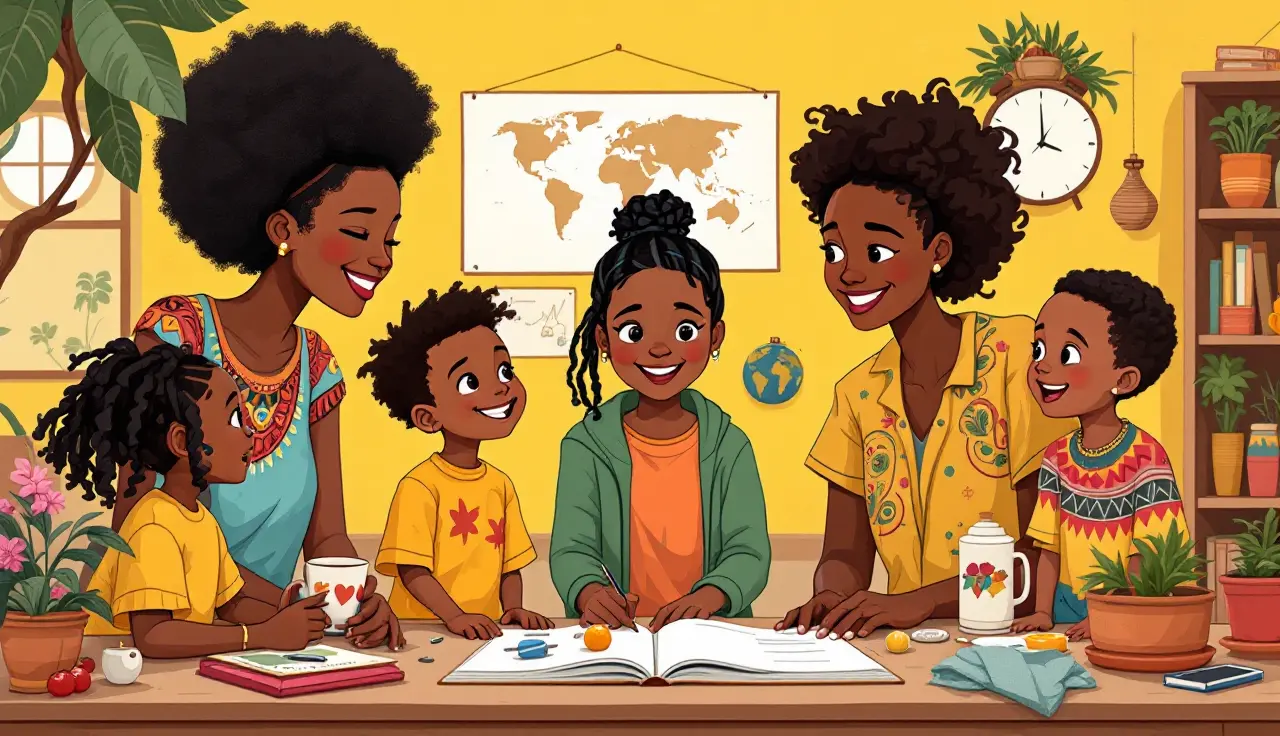
In a busy Nigerian village, young Amina lives a lively life. She moves easily between Hausa, English, and her native Igbo. Her journey is common in Africa. Many children use many languages every day. This multilingual skill is a true marvel of the brain. Cognitive scientists around the world are intrigued by it. Amina’s story shows both the beauty and challenges of keeping language heritage alive. Her family has struggled to preserve this legacy. Global changes have made it hard. Many parents in diaspora communities feel this pain too. They see language loss as an emotional blow.
This post looks at bilingualism with a fresh mind. While many talk about European or Asian languages, African languages are often missed. Yet they hold rich clues on how the brain learns. Recent studies show that the multilingual brain gains more than language skills. In African settings, it also boosts bilingual intelligence. It may even help delay brain diseases. Many assume that learning more than one language confuses a child. African communities prove this wrong. Their early language exposure builds cognitive strength. In this guide, we explore these surprising findings. We also share real stories and fresh ideas on how the brain acquires language. This setting is often ignored by mainstream research.
Readers will find practical ideas. They will see real examples from across Africa. There are innovative programs in South Africa. In Namibia, communities work hard to save indigenous languages. This guide shares tips not found elsewhere. It blends science with cultural insights. You will learn techniques for boosting bilingualism and saving languages. Get ready for a journey that goes beyond basic language tips. Here, you get a mix of scientific exploration and cultural care.
Bilingualism changes the brain. It reshapes how the brain learns languages. In many African places, multilingualism is the norm. Bilingual people show strong executive function. They also have great cognitive flexibility. A study in Nigeria shows bilingual children solve problems better. They do so compared to children who speak only one language. Bilingualism can even delay diseases that hurt the brain. Brain scans show that bilingual people have more grey matter. This grey matter sits in areas that help language and control actions. These scientific findings prove that bilingualism helps the brain in many ways. This is especially true in Africa, where many languages mix.
Here are some key points:
This section shows why bilingual education is important. In places like Africa, these advantages can help many learners.
African children grow up in a multilingual world. This helps them learn languages faster. Bilingual children often hit language milestones sooner than those who speak only one language. They are used to many sounds and words. For example, a study with Kiswahili and English speakers in Kenya showed strong vocabulary growth. These children build their language skills quickly. They also develop what we call metalinguistic awareness. This means they understand language rules better. In many cases, bilingual children do better in language tasks. Their brains work hard to manage several languages at once. This is a powerful lesson from cognitive science.
To explain further:
A case study in Kenya supports these ideas. Bilingual children in this study outperformed their peers. This shows how a multilingual brain learns better.
Cultural diversity makes our brains more flexible. In Africa, many languages come with rich traditions. This mix helps the brain learn and adapt. When you speak several languages, you can switch between different ideas quickly. South African youth often mix languages in one chat. This is called code-switching. It shows that they are comfortable with their culture and language. Studies in cultural psychology back this up. They show that diverse cultural practices shape how the brain learns. The result is a mind that adapts well. African bilingual people can handle many social settings with ease.
This section can be summed up with these points:
By looking at these examples, we see that culture and language together help the brain grow stronger.
This subsection repeats some ideas with more details. It explains how the brain gains from managing more than one language. Bilingual people often show improved executive function. They are good at switching tasks. Studies in Nigeria show bilingual children solve puzzles better. Their brains work hard to manage two or more languages. This strengthens their overall problem-solving skills.
These facts prove that bilingual intelligence is more than a skill. It is a strong foundation for lifelong learning.
In Africa, children who speak more than one language learn quickly. Their brains are used to handling different sounds. A study with Kenyan children shows this clearly. These children reach language milestones faster. They switch between Kiswahili and English with ease. This strengthens their vocabulary. Their bilingual brain draws words from both languages. Cognitive science tells us that this constant practice makes learning more efficient.
Let’s break down the main ideas:
Research shows that bilingual children do well in cognitive tasks. They are often better at solving problems. This confirms the power of early language exposure.
Cultural diversity makes our minds strong. In Africa, language and culture are closely tied. Code-switching is one clear example. South African youth switch between languages in conversation. This shows they are flexible in both thought and culture. Research tells us that using different languages helps the brain adapt. When traditions and language mix, the mind learns to solve problems in new ways.
Here are some clear points:
This section reinforces that culture and language are best friends. Together, they build a mind that is both strong and creative.
Africa has more than 2,000 languages. This fact shows how rich the continent is in culture. In Nigeria, more than 500 languages are spoken. This makes Nigeria a small world of language diversity. Minority languages carry deep history. They tell stories of old and share cultural secrets. This diversity is not only about words. It also builds cognitive flexibility. It helps bridge cultural gaps. Ethnologue shows us that these languages are key to understanding the multilingual brain.
Key ideas include:
Preserving this tapestry is very important. It helps us learn how the brain learns languages. It also shows us the strength of cultural identity.
Many African languages are in danger. Globalization and strong global languages make them hard to keep. Urban growth and the push for global languages hurt native tongues. However, many communities are fighting back. In Namibia, projects to revive the Nama language are growing. These efforts are led by communities. They use schools and local programs. Their work focuses on:
UNESCO reports show that such efforts are very important. They help keep cultural identity alive. They also boost bilingual brain power. With smart planning and community work, endangered languages can be saved.
Education is very powerful for language survival. Bilingual education helps keep native languages strong. In South Africa, language-in-education policies work well. They help children learn both their mother tongue and other languages. This method boosts cognitive development and language skill. Academic research backs up these findings. Students in bilingual schools often do better. They show higher cognitive flexibility and cultural understanding.
To explain:
Education systems that use native languages help maintain Africa’s cultural fabric. By teaching indigenous languages early, children build a solid language foundation. This approach supports a multilingual brain that can handle complex ideas.
Africa’s many languages show a deep cultural mix. Over 2,000 languages exist on this continent. They are keys to understanding the brain. Each language holds unique traditions and histories. Small community languages keep culture alive. They support social bonds and identity. Nigeria is a great example. With over 500 languages, it reflects Africa’s diversity. Ethnologue data shows how these languages work together. They help us see how language affects thought.
The importance of minority languages is clear. They help the brain stay flexible. Switching between languages can boost problem-solving skills. This is a strong point of bilingual intelligence. Preserving these languages is also preserving culture.
Language loss is a big worry today. Global pressures push native languages aside. Urbanization and the lure of major global languages play a role. UNESCO has warned that many African languages are at risk. The multilingual brain suffers when a language is lost. Learning how the brain learns languages shows why each tongue matters. Reviving languages like Nama in Namibia shows hope. Community efforts are key to saving these languages.
Revitalization works best when people come together. Successful projects use:
For example, in Namibia, the Nama language is taught in schools. Digital tools and storytelling sessions add fun and effectiveness. Cognitive science tells us that early engagement helps the brain learn faster. UNESCO supports these plans. They help document and keep the language alive.
The Nama language revival is a great example. In community workshops, locals share stories and language skills. Linguists work together with community members. This teamwork has shown real progress. More children speak Nama at home and in school. Cognitive science shows that culturally relevant learning boosts bilingual intelligence. Tracking language use at home and in schools helps measure success. This story is proof that careful effort can save a language.
Education is a key tool for keeping languages alive. Bilingual schools help the brain learn many languages. These programs build cultural pride and academic strength. The South African policy that teaches in eleven official languages is a prime example. It lets children learn both local and global languages. Research shows that such systems improve cognitive flexibility. Students become better at problem-solving. They also develop a deeper understanding of their culture.
Studies confirm that bilingual education works well. The results include:
This proves that good education policy is vital. It supports Africa’s rich language heritage and builds a strong multilingual brain.
Language is more than words. It marks who we are. In Africa, language connects people to their culture. The multilingual brain uses language to express identity. It shows which group we belong to. In Cameroon, people change language based on where they are. They might use French, English, or an indigenous language. This switching shows how the brain learns languages from social cues. Language connects us to our heritage. It also helps us show our unique identity.
Important ideas:
This relationship between language and identity deepens our understanding of bilingualism. It shows that language helps shape how we see ourselves.
Code-switching is a natural part of bilingual life. It means changing languages in a conversation. In African cities like Nairobi, this is common. Youth often mix English, Kiswahili, and Sheng (a local slang). This practice shows the brain’s flexibility. It helps people adjust to different social groups. Code-switching makes communication smooth. It also builds bridges between different cultures.
Key points include:
Studies in sociolinguistics confirm that code-switching improves communication. It shows how bilingual intelligence helps manage social life. This tool is a big part of how the brain learns languages in everyday settings.
Living with more than one language can be tricky. Bilingual people must balance many languages. This challenge comes with both struggles and benefits. For African immigrants abroad, the task is even harder. They try to keep their native languages alive while learning new ones. Research shows that juggling languages improves problem-solving. Yet it may also cause identity issues. People sometimes feel caught between cultures.
Let’s list the challenges:
Understanding these struggles helps us appreciate bilingual intelligence. It is not just about language but also about forming a strong sense of self.
This subsection repeats some ideas with more focus. Language builds both personal and group identity. In Cameroon, where there are over 250 languages, the choice of language matters a lot. People pick a language to show belonging. It is a way to express different parts of who they are. The multilingual brain uses language as a tool to connect with culture.
Main points:
Studies in sociolinguistics show that language choice is very important in identity formation. Bilingual intelligence goes beyond just speaking well. It is about understanding and showing who you are.
This part revisits code-switching with added detail. In cities like Nairobi, code-switching is common. It means changing languages mid-conversation. This skill shows the brain’s natural ability to adapt. It is a tool for expressing identity and building trust. Urban youth use code-switching to connect with friends. It also helps them fit into different social settings.
Key ideas:
These details explain how code-switching works in real life. They highlight the smart ways the multilingual brain handles social challenges.
Bilingual people work hard to keep their language balance. Globalization adds extra pressure. African immigrants often struggle in new countries. They try to maintain their native tongue while learning the local language. This balance is tough. Research shows that this juggling act builds cognitive strength. It also creates identity challenges. The brain must keep switching and adapting.
Important points include:
This section shows that multilingual identity is both challenging and rewarding. It is a sign of a strong and adaptable brain.
Digital tools now play a big role in language learning. They help the brain learn languages, especially in bilingual communities. Mobile apps and online courses are now common. For example, apps like "Yoruba101" and "ZuluApp" teach through interactive lessons. These apps create rich, real-life language experiences. They support the brain by giving context and practice. Research in cognitive science shows that interactive learning boosts language retention.
Here are some key points:
A recent study shows that internet use in Africa has grown by over 40% in the last ten years. This means more people can learn their native languages online. Urban and rural areas both benefit. Digital platforms help preserve Africa’s rich language culture while supporting modern communication.
Online groups help speakers of African languages connect. These virtual spaces are perfect for sharing tips, culture, and language skills. For example, the platform "Swahili Hub" links Swahili speakers around the world. Such groups let people practice languages in real conversations. This supports the multilingual brain by exposing it to many dialects and slang.
Key benefits include:
A study on online Swahili forums found that members created over 200 new colloquial phrases. This shows how dynamic language can be in digital spaces. These communities support both individual growth and cultural dialogue. They keep African languages fresh and evolving.
Even with new digital tools, challenges remain. The digital divide is real in Africa. Urban centers like Accra have strong internet connections. Rural areas often struggle with poor access. This inequality affects language learning opportunities. Fewer digital tools are available in some places. But these challenges also bring new ideas.
Opportunities include:
Innovative projects are already trying to bridge these gaps. By focusing on digital literacy and affordable access, more communities can enjoy the benefits of digital language tools. These efforts will support Africa’s language heritage and boost the multilingual brain.
Digital platforms are a new hope for language preservation. They bring languages like Yoruba and Zulu to mobile screens. Apps such as Drops and Ling use interactive exercises. They make learning fun and effective. These exercises are designed using cognitive science ideas. They help the brain learn in a playful way.
Social media also plays a big part. Platforms like Twitter and Facebook host groups where indigenous languages are celebrated. People share content, chat, and discuss cultural ideas. This real-time practice strengthens language skills. It shows how the multilingual brain adapts to modern communication.
Recent statistics show exciting trends:
Online forums and virtual communities form around language interests. They create safe spaces for practice and cultural exchange. For example, Swahili forums connect speakers worldwide. This interaction gives the brain practical, real-world language practice. It is essential for developing strong bilingual skills.
The creative energy in these online groups also shows in the new slang and phrases they develop. This creativity is a sign of the flexible, dynamic multilingual brain. It also ensures that African languages continue to grow and change.
The digital age is not without its issues. The digital divide limits access in some areas. In rural Ghana, many still struggle with poor internet connectivity. In contrast, cities enjoy modern tech tools. This difference means that not everyone benefits equally from digital language tools.
However, technology also offers hope. Digital platforms can document and revive endangered languages. They bring together traditional practices and modern tools. Apps and online resources can support languages like Twi and Ewe. These efforts combine the best of both worlds. They let the brain learn in a modern way while honoring ancient traditions. Addressing the digital gap will be key to future success.
In this part, we see that technology and tradition can work together. They support the multilingual brain in many ways. By overcoming challenges, digital tools can help preserve Africa’s rich language heritage.
In exploring the science behind bilingualism and African languages, we unearth a treasure trove of insights. This study shows how culture, brain science, and technology come together. Bilingualism boosts cognitive skills and builds cultural pride. The deep traditions in Africa create a nurturing ground for the multilingual brain. They offer a model of how language can enhance educational and social outcomes.
Looking to the future, technology and education will play a big role. Imagine a world where digital platforms help all children learn their native languages. In both rural and urban settings, kids will have access to smart, culturally rich learning tools. This vision is not far away. It means a future where Africa’s languages continue to thrive. The long-term benefits are clear. They extend beyond personal growth to national cultural preservation. By using new tools and old wisdom, we can build a society that values every language.
To make this happen, we must all work together. We need to support language programs, join multilingual communities, and back inclusive education policies. Real change comes from small, steady steps. With each effort, we celebrate the beauty and wisdom of African languages. We help our brains learn better. And we honor the rich heritage that makes us unique.
Together, we can create a world where every language is valued. A world where bilingualism is not just a skill but a way of life. The journey of learning, sharing, and preserving languages is a path to a brighter future. Let us join hands and work for a more inclusive, linguistically rich society. In doing so, we ensure that the wisdom of African languages lights the way for generations to come.