By Lionel Kubwimana
••7 min read
Easy tips to teach African proverbs and idioms. Simple stories, games, and tools help kids build language skills and cultural pride.
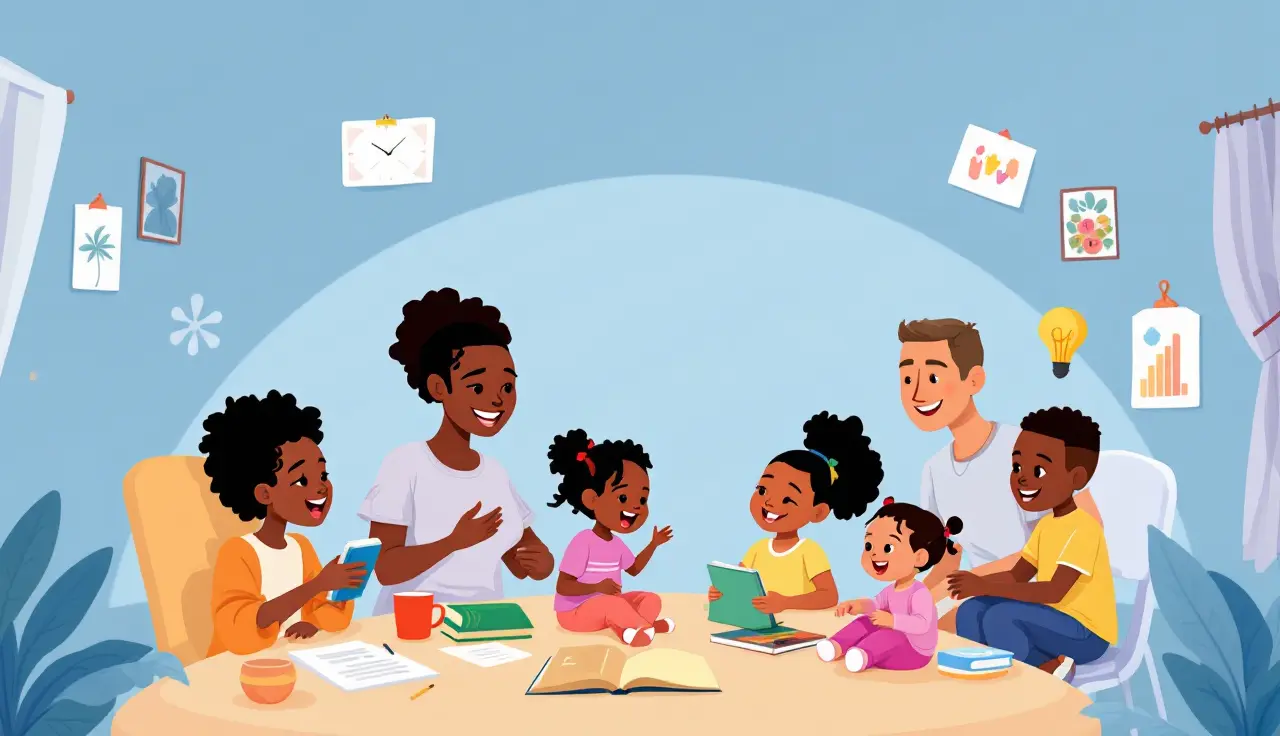
In Minneapolis, a city alive with many cultures, families mix their traditions every day. The Mboma family moved from Nigeria not long ago. They are finding their place in America. They want to stay true to their Yoruba roots.
Each night, their living room turns into a bridge between worlds. Ten‑year‑old Anyi sits close to her grandmother. She listens to stories full of Yoruba proverbs. These sayings are more than words. They teach strength, community, and respect. This nightly ritual keeps their heritage alive. It gives Anyi a sense of belonging.
Many African families in the U.S. feel the same pull. They want their children to know ancestral wisdom. Studies show that kids in bilingual homes in Atlanta and Houston grow more flexible in thinking (cognitive flexibility) and show more empathy (care for others). Yet, in schools and parks filled with English, it is hard to keep these traditions alive.
This challenge can become a chance to shine. Teaching African proverbs in America can work. We just need the right tools and approaches.
This post will help African diaspora families weave proverbs and idioms into kids’ lives. We will cover:
You will learn how these phrases:
Let’s begin this journey of heritage and heart.
Proverbs and idioms are special parts of language. They carry culture and wisdom.
For example:
Key points:
Teaching African proverbs to kids introduces them to wisdom phrases. These phrases expand their view of the world. They learn to see things beyond literal words.
Next, we’ll see how these expressions reflect cultures everywhere.
Proverbs and idioms act like mirrors of society. They show what people value and how they think.
When we teach African proverbs, we add new colors to that mirror. Each saying shares a story from a different land.
Why it matters:
By studying proverbs side by side, kids see our shared human bonds. They learn empathy and global awareness.
Let’s explore how these phrases help kids grow in language skills next.
Using proverbs and idioms boosts how children learn language and culture.
Research shows:
How to use them:
This practice prepares kids for school and social chats. They learn to speak with flair and understanding.
Next, let’s weave these treasures into everyday talk.
You can add proverbs and idioms to simple daily moments.
Storytelling is powerful. It grabs attention and embeds meaning.
Family dinner chats spark curiosity:
Tips for success:
By mixing these phrases into family life, kids learn naturally. They see language as a living, playful tool.
Now, let’s look at how schools can join the fun.
Teachers can bring proverbs and idioms into class in simple steps.
Thematic lesson plans let kids dive deep:
Critical thinking tasks:
Project idea:
Teaching African proverbs adds fresh voices to the curriculum. It builds language skills and cultural respect at once.
Next, we’ll explore tech tools that make this even more fun.
Digital apps and online platforms can gamify proverb learning.
Game apps:
Online groups:
Example tool:
With these tools, learning is hands‑on and playful. Kids return to the game again and again, building skills without stress.
Adding proverbs to chats makes lessons stick.
Short and sweet is best. Simple stories bring big ideas.
Build lessons around one proverb at a time.
This approach links language study to real values.
Analyzing meanings teaches abstract thought.
They learn to question and connect ideas.
Projects bring proverbs out of books and into life.
These events build pride and dialogue.
Digital tools amplify impact.
Online play keeps children curious and motivated.
Proverbs carry deep cultural weight. Teachers and parents must:
Studies link early proverb use to stronger empathy and thinking skills. This makes careful teaching essential.
Combine fun and focus:
Research finds that mixing stories and images boosts memory by 40%.
Schools worldwide see gains:
These programs boost awareness and global citizenship.
Adjust for different stages:
This ensures each child connects with the material.
Parents amplify impact at home.
A “proverb of the week” challenge keeps everyone involved.
Track understanding with fun checks:
These methods confirm real learning and build confidence.
In teaching African and global proverbs, we build bridges across cultures. Wisdom phrases open doors to empathy, creativity, and clear thinking. They help children become true global citizens.
Looking ahead, technology‑driven tools will deepen these exchanges. Apps and online communities will connect young learners worldwide. They will share proverbs, celebrate heritage, and grow together.
Educators, parents, and developers can weave these practices into daily life. Start small: introduce one proverb this week. Then, watch children blossom in language, culture, and understanding. A brighter, more connected future begins with a single saying.