By Lionel Kubwimana
••5 min read
Real parent experiences and simple tips to keep your heritage language alive during everyday moments - no extra time or guilt required.
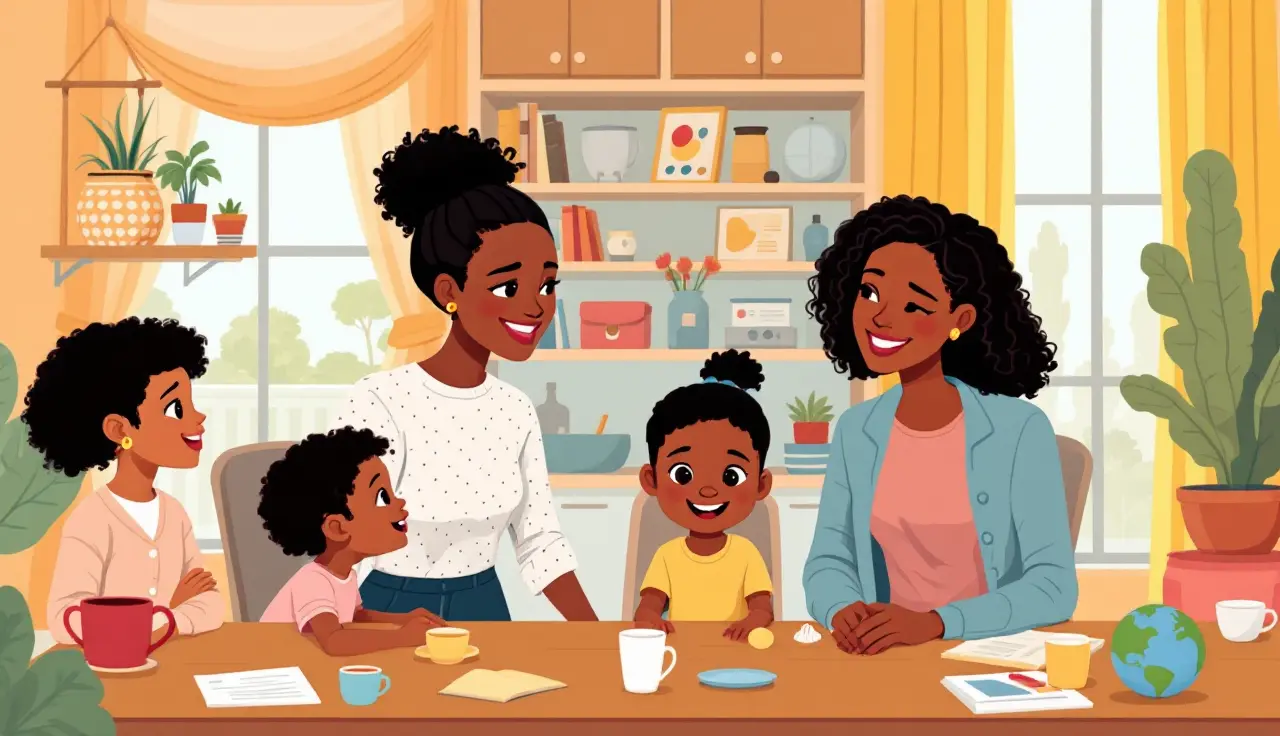
Simple ways to keep your heritage language alive during everyday moments
You know that feeling when your child switches to English mid-sentence with their grandparents on video calls? Or when they roll their eyes at "speaking our language at home" time?
I get it. You want your kids to treasure their roots, but between homework, soccer practice, and just keeping everyone fed, finding time for language learning feels impossible.
Here's what changed everything for my family and dozens of others I've talked to: bilingual podcasts during everyday moments. No extra time slots to carve out. No battles over screen time. Just stories, songs, and conversations that happen while you're already in the car, cooking dinner, or taking evening walks.
I'll be honest – I thought podcasts were just another thing to add to my endless to-do list. But here's what surprised me:
Your kids are already listening to something during car rides, right? Might as well make it count. A mama in Atlanta told me her kids now ask for "the story about the clever spider" instead of the same pop songs on repeat.
It's hands-free learning. Your toddler stays buckled, you keep your eyes on traffic, and everyone's still learning Yoruba folk tales or French lullabies.
Small wins add up fast. Just 15 minutes a day – that's most school commutes – gives kids 75+ hours of language exposure over a school year. That's like adding an extra class without the scheduling nightmare.
A dad in Houston put it perfectly: "My daughter started using Igbo phrases at dinner without me even asking. The stories made our language feel cool, not like homework."
Let me share what families tell me after a few months of consistent listening:
Your 8-year-old comes home saying, "Did you know Anansi stories exist in Ghana AND Jamaica?" Suddenly, heritage isn't just something parents care about – it's fascinating world knowledge.
Day 1-2: Pick Your First Show Choose based on your car ride length:
Day 3-4: Find Your Rhythm Morning school run too hectic? Try afternoon pickup instead. The goal is consistency, not perfection.
Day 5-7: Add Simple Follow-Ups Ask one question: "What was your favorite part?" Don't make it feel like a test.
"Bilingual Lullabies"
"Animal Friends Around the World"
"Young Storytellers"
"Kids Explore Culture"
"Heritage & Heart"
After each episode, everyone shares one new word they learned. No pressure – even "hello" in a new language counts.
Heard a story about market day? Point out similarities during your next grocery run. Kids love making these connections.
Give your child two episode options and let them pick. When they feel in control, they're more likely to stay engaged.
"You just listened to a whole story in Amharic!" is worth celebrating. Your excitement becomes their motivation.
"My toddler gets fussy during episodes" Try shorter clips first. Even 3-4 minutes builds listening skills.
"My teenager says it's boring" Let them help choose shows for younger siblings. Being the "podcast DJ" often sparks their own interest.
"We keep forgetting" Set up a simple phone reminder or link it to something you already do consistently (like starting the car).
"I'm not sure if they're understanding" Look for small signs: tapping to the beat, giggling at jokes, or using any new words at home. Understanding grows gradually.
Here's what a mama in Seattle shared after three months: "My son doesn't translate everything anymore – he just knows what both languages mean. And last week, he taught his little cousin a Somali counting song without even thinking about it."
That's the goal, isn't it? Not perfect pronunciation or extensive vocabulary (though those come too), but children who feel comfortable and proud of their multilingual selves.
Pick one show from the list above. Download three episodes tonight. Tomorrow morning, hit play during your usual car ride.
Don't overthink it. Don't create elaborate lesson plans. Just let the stories do their work.
Your kids might surprise you. My friend's 5-year-old now says "Goodnight" in four languages every bedtime. Another family's teenager used podcast vocabulary in her college application essay about cultural identity.
These aren't extraordinary children – they just had parents who made language learning part of everyday life.
Start small. Stay consistent. Trust the process.
Your future bilingual children are already there, waiting in those everyday car rides and quiet evening moments. All you need to do is press play.
Want more specific recommendations for your child's age and heritage language? The podcasts mentioned above are available on most free podcast apps. Start with one show, and let your family's interests guide you to others.