By Lionel Kubwimana
••9 min read
Simple ways African diaspora parents support each other to raise kids who love their heritage language. Real stories, easy tips, and proven strategies that work.
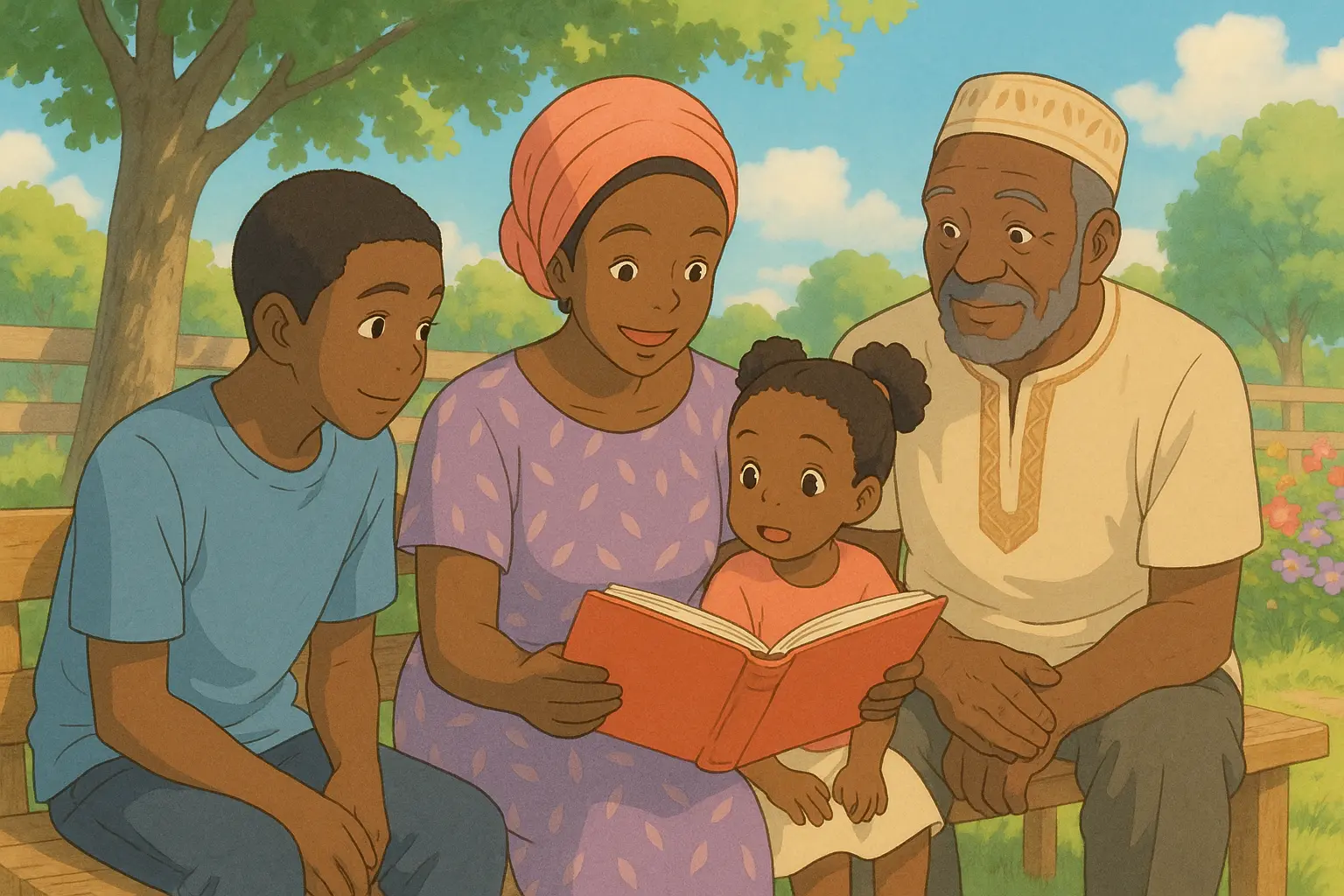
When I met the Nkurunziza family in New York, they were struggling with something many African parents know too well. Their kids spoke perfect English but were losing their Kirundi and Swahili. Mom and Dad felt frustrated. The kids felt caught between two worlds.
But then something beautiful happened. They connected with other Burundian families through a local parent group. Suddenly, they weren't alone anymore. Their kids met other bilingual children. The parents shared tips and encouragement. Within months, the whole family felt more confident about their language journey.
This story isn't unique. Across America, African parents are discovering that helping each other is the secret to raising kids who are proud of their heritage and fluent in their home languages.
If you're feeling overwhelmed about keeping your child's African language alive, you're not alone. Many parents think it's impossible in a place where English is everywhere. But here's the truth: when African families support each other, amazing things happen.
This article will show you exactly how parent mentoring works. You'll learn simple ways to find and give support, proven strategies from real families, and actionable steps you can take today. These aren't complicated theories – they're practical tools from parents who've walked this path and want to help you succeed too.
Let's be honest about what we're dealing with as African parents raising kids in America, Canada, or Europe:
Language is just the beginning. Your child might refuse to speak Yoruba at home but chat in perfect English with friends. You worry they're losing a piece of themselves.
Cultural confusion is real. Your teenager might feel embarrassed about traditional foods or customs. They don't know how to explain their background to classmates.
You feel isolated. Other parents at school don't understand why you want your 8-year-old to learn Amharic when "English is enough."
Family tension builds up. Grandparents speak only the home language. Kids respond in English. Everyone gets frustrated.
You question yourself. Maybe you wonder if pushing heritage language is worth the daily battles.
These struggles are normal. You're not failing as a parent. You're trying to give your child something precious – their full identity.
When African parents help each other, it's not like getting advice from just anyone. Here's why it matters:
Shared experience: Another Ghanaian mom knows exactly why you want your daughter to understand Twi when she talks to Grandma.
No judgment: A Kenyan dad won't think you're being "too much" when you correct your son's Swahili pronunciation.
Real solutions: Parents who've solved similar problems can give you tips that actually work in your daily life.
Cultural understanding: They get why certain traditions matter to your family.
Encouragement when you need it: Someone who's been there can remind you that this journey is worth it when you're feeling defeated.
You don't need a formal program to start. Here are simple ways to connect with other African parents:
Start at your child's school:
Check community centers:
Use social media smartly:
Try faith communities:
Be the first to reach out:
Don't expect instant best friends. Real parent support grows slowly:
Start small: Share one challenge, not your whole life story.
Be consistent: Show up when you say you will. Answer messages promptly.
Listen more than you talk: Other parents need to feel heard too.
Respect differences: Not all Kenyan families do things the same way. That's okay.
Keep confidences: What parents share in private stays private.
Celebrate wins together: When someone's child says their first sentence in Amharic, cheer with them!
Create a language playdate group:
Start a book swap:
Share learning resources:
Practice together:
Cook together:
Celebrate festivals as a group:
Share family stories:
Connect with elders:
School support:
Career guidance:
Childcare exchanges:
Resource sharing:
Don't panic. This is normal and usually temporary.
What other parents have tried:
Get support from other parents who've been there:
The problem: Grandparents only speak the home language. Kids only want to speak English. Everyone feels frustrated.
Solutions from experienced families:
Parent support helps because:
When your child feels embarrassed about being different:
Do this:
Get help from your parent network:
The best parent support happens when families become genuine friends:
Regular meetups: Schedule monthly gatherings that everyone looks forward to.
Include the whole family: Dads, kids, even grandparents when possible.
Celebrate milestones: Birthdays, graduations, cultural holidays, language achievements.
Be there for tough times: Help during illness, job loss, or family emergencies.
Grow together: As kids get older, adapt your activities but keep the connection.
When children see their parents helping other families, they learn important lessons:
Helping others feels good: Kids watch their parents make a difference in someone else's life.
Our culture is valuable: When families celebrate heritage together, kids see their background as something special.
We're not alone: Children realize other families share their experiences and challenges.
Community takes work: Kids learn that good relationships require effort and care.
Everyone has something to offer: They see that their family's unique experiences can help others.
Start small but think big:
Use technology wisely:
Document your journey:
You don't need to wait for the perfect moment or the perfect plan. Here's how to begin:
Here's what I've learned from families across the country: when African parents help each other, children thrive.
Kids who grow up seeing their heritage valued by a community of families develop stronger cultural identity. They're more likely to maintain their heritage language. They feel proud of their background instead of embarrassed by it.
Parents who have support feel more confident in their choices. They stress less about language learning. They celebrate wins together and get encouragement during tough times.
But the best part? The helping goes both ways. When you support another family, you often discover new approaches that help your own children. You make lifelong friendships. You create the village you wish you'd had growing up.
Your child deserves to grow up feeling proud of their African heritage and confident in both their cultures. You deserve support on this journey. Other families near you are hoping for the same connections you want.
The village you're looking for might start with one conversation, one playdate, one family reaching out to another.
Your children are watching. Show them what community looks like. Show them that their heritage is worth preserving. Show them that African families help each other succeed.
Start small. Start today. Start with hope.
What's one small step you can take this week to connect with another African family? Your future self – and your children – will thank you for taking it.