By Lionel Kubwimana
••15 min read
A simple and fun guide to learn African languages every day. Find out how to use family routines, games, and digital tools to keep your heritage alive while making language learning a part of your life.
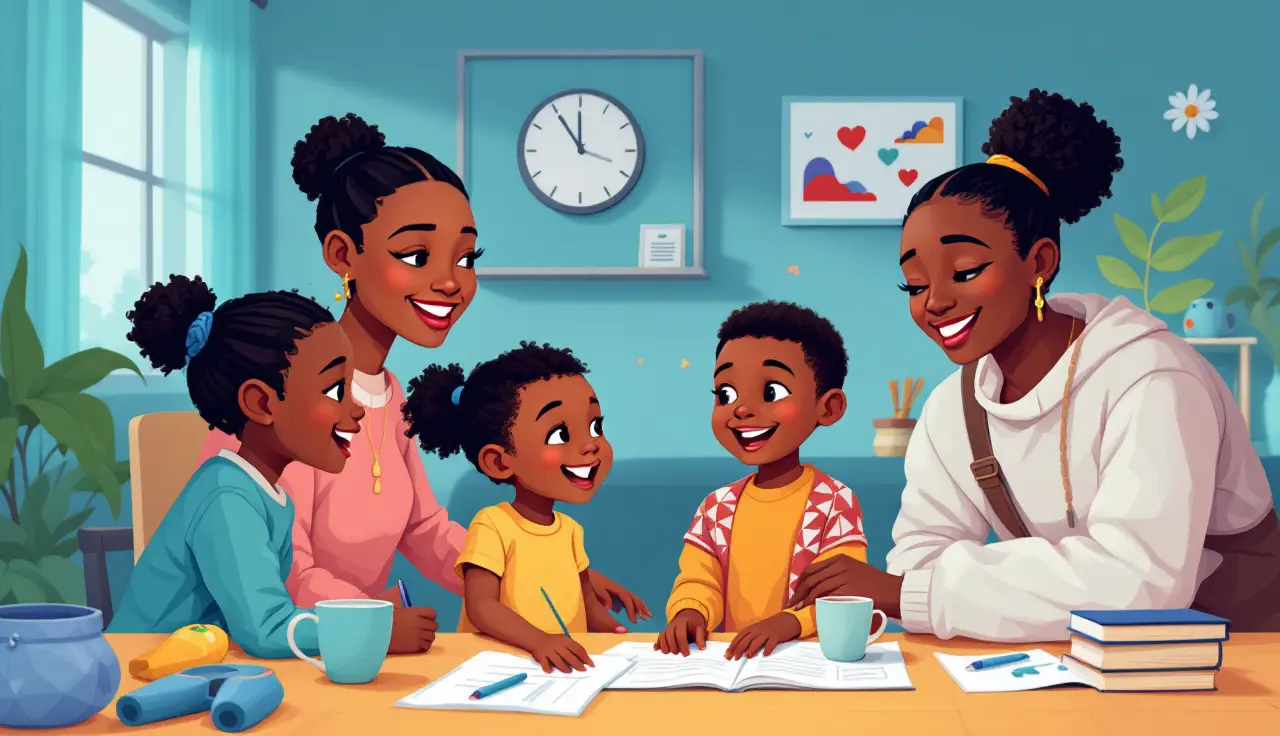
In the busy city of Johannesburg, there was a kind mom named Thandi. Thandi had a big problem. She grew up speaking Xhosa. But her kids went to school where they only learned English. Slowly, they started to forget their family language. Thandi did not like this. She wanted her children to speak Xhosa and feel proud of their roots. So, she found bilingual books. These books had pretty pictures and words in both Xhosa and English. When her kids saw the words and pictures, they learned more than just a language. They learned about their family history. They felt closer to who they were. This is not only about learning words. It is also about feeling part of a big family and culture. Many families feel the same way today.
Today, being able to speak two languages is more than just school work. It is like having a magic key. This key helps you talk to people from different places and makes your brain work better. Some people worry that learning two languages will confuse you. But research tells us that kids who learn two languages can solve problems better. They also understand others more kindly. For families with African roots, this is very special. They want their children to know the language of their grandparents while still doing well in an English school.
This guide will show you many cool ways to learn a language every day. It will help you make your home a special place full of language and fun. You will learn how to use computers and apps to make lessons fun. You will also get tips on how to get help from your neighborhood and community. We will share stories of families like Thandi’s. They use old stories, fun games, and parties to keep their language alive. Get ready to learn simple and smart tricks that work in real life. Our guide is made to help you raise kids who speak more than one language. It shows you how to mix culture, fun, and learning in your daily routine.
A routine is like a magic trick that helps you remember things. When you do the same thing every day, your brain learns faster. To learn a language, you need to set a special time for it. This can be 15 to 30 minutes. You can choose a time when everyone is free. Many families pick breakfast time or a time before bed. Scientists say that doing the same thing every day makes learning easier. One family used 15 minutes every morning with a fun language app. This made learning as easy as brushing your teeth or reading a bedtime story.
To do well in language learning, you need to pick a time and stick to it.
For example, a family might start their day with a quick talk in the target language. This helps them learn new words and get used to the language.
You can learn a language even when you do normal things. Use everyday moments to learn new words.
This way, you see the words many times. One parent used cooking time to teach words for “rice,” “spoon,” and “pot.” Doing this every day makes learning fun and natural.
Games make learning fun and exciting. When you add games to learning, it feels like play.
When learning feels like playing, kids and parents feel happy and excited to learn every day.
When the whole family learns together, it makes learning easier.
Research shows that many short sessions are better than one long session. When all family members practice together, learning feels natural and fun.
Culture is like the heart of a language. When you celebrate your culture, learning a language becomes more special. You learn not just words, but also the stories behind them.
Celebrate your culture at home. It makes learning the language much more fun.
One family celebrated an Igbo festival every year. They sang, danced, and wore traditional clothes. This helped the kids learn the language and feel proud of their heritage.
Telling stories is one of the oldest ways to share a language. Many African cultures have rich stories that teach lessons.
For example, a grandmother told Yoruba tales to her grandchildren. This not only taught them the language but also helped them feel connected to their roots. Studies show that storytelling makes words stick in your mind better.
Today, we have cool digital tools that make language learning easy and fun. These tools let you practice anywhere and anytime.
Apps are like tiny teachers on your phone or computer.
These digital tools mean you can practice a little bit every day, even if you are very busy.
Talking to someone who speaks the language well can help a lot. Virtual language exchange programs let you do this over the internet.
Talking with native speakers builds your confidence and helps you learn faster.
Learning with your eyes and ears works really well. Multimedia tools use videos, sounds, and games.
For example, a family learning Zulu might watch cartoons and then play a game about the language. Seeing, hearing, and playing all at once helps you remember better.
There are many online tools just for African languages.
Using these digital tools makes it easy to learn a little every day. They help you keep a steady pace in learning new words and phrases.
You can set up online sessions with language partners. Here is how you do it:
Regular online chats help you learn faster and make you more confident in speaking.
Talking live with someone in the language is very important. It helps you:
For example, a teen who talks weekly in Wolof learns words faster and feels more at ease using them.
Using different kinds of learning tools helps everyone. Multimedia resources work for:
By mixing videos, audio, and games, you learn in many ways. This helps you remember words and makes learning more fun.
Interactive ways of learning turn study time into play time. This is very helpful because books alone can be boring sometimes.
Books and long texts can sometimes make you feel sleepy. Learning should feel like fun play. Interactive learning means doing games and acting out stories. This is how kids naturally learn to talk. It makes the language come to life and feel real.
Here are some fun ideas:
These fun methods make learning feel like a game. They help you use words in real life.
Many families have used fun ideas to learn together.
Research shows that kids remember words better when they play games. When you join in a game or act out a scene, you use your whole brain. This makes learning faster and more fun.
After trying fun activities at home, you can join a group outside.
Being part of a group makes learning more lively and fun. It also gives you more chances to practice.
Sometimes, learning a language every day can be hard. You might start strong but then feel a bit tired. This part explains some common problems and easy ways to solve them.
At the start, you feel very excited. But soon, learning can feel slow. This can make you want to stop. It is okay to feel this way sometimes. The trick is to set small goals. When you reach a goal, celebrate it! This makes you want to keep going. Mixing up how you learn—by listening, talking, reading, and playing—keeps your brain busy and happy.
Here are some tips to stay on track:
Studies say that a little bit of practice each day is much better than one long session once a week.
It is normal to feel stuck sometimes. When learning feels too hard, try something new.
In some families, more than one language is spoken. It is important to keep them all alive.
A language is full of culture. Learning the language means learning about traditions, songs, and dances.
This helps you see the real meaning behind the words. It makes learning more joyful and meaningful.
Many families have done great by planning carefully.
Language apps are like friendly teachers in your pocket. They make learning fun and easy.
Using these apps helps you practice even on busy days.
Online courses are like classes you take at home.
This way, formal lessons support your everyday practice.
Talking with others who learn the same language is a big help.
Being part of a community makes learning fun and gives you more chances to practice.
It is normal to face bumps on your learning journey. Here are some ideas to keep you going.
It is hard to stay excited all the time. Sometimes, things feel slow.
Stay steady by doing a little bit every day:
Research shows that doing a bit every day helps you remember more.
Everyone hits a slow spot sometimes.
When you speak more than one language at home, plan your day so that each gets its time.
Learning about culture is important when learning a language.
Sometimes, learning African languages at home can feel lonely. Not having friends who learn the same language can be hard.
To beat loneliness, build a group of friends who love the language.
When you have a group, you can share fun ideas and learn faster.
Some families have done very well by working with others.
Knowing two languages is like having a superpower. It helps you in many ways when you grow up.
Learning two languages from a young age can help you succeed later in life.
It is very important to use both English and your native language at home.
Even if English is everywhere, keeping your native language at home makes sure your culture is not lost.
Raising a child who speaks more than one language is a big, fun adventure. Thandi’s story in Johannesburg shows how hard work can keep a native language alive even when English is all around. We have learned that a language is more than just words. It is a bridge to your history, your culture, and who you are.
Bilingualism gives you many cool benefits:
There are still challenges, like old habits, busy days, and sometimes feeling stuck. But there are many smart ways to keep going. You can make your home a fun place for language learning by using stories, games, and digital tools. You can join clubs and groups to get extra help from friends and neighbors. Real stories show that when families and communities work together, language learning becomes a happy journey.
Teachers, parents, community leaders, and even famous people must help make a safe and fun space for learning. When everyone works together, children learn to be proud of their language and heritage. They do better in school and in life.
As you start your own language adventure, remember that every little step counts. Set small goals, cheer for every new word, and make learning fun. Include everyone, even if someone is not as good at the language. Working together makes a big difference.
Imagine a future where every child feels proud of their native language. Think of a world where schools, TV shows, and neighborhoods celebrate many cultures. With hard work and support, that future can come true.
Let this guide be your friend and map on your journey. Face challenges with hope and a smile. Every story you share and every tradition you celebrate makes your family stronger. Your hard work today builds a tomorrow where language connects people, brings pride, and creates many chances.
Together, you can build a home where your native language is loved and your heritage stays bright. Every day, each word and each story helps keep your culture alive for many, many years.