By Lionel Kubwimana
••6 min read
Host a meaningful virtual African culture night. Learn how to connect generations, share stories, and celebrate heritage across continents.
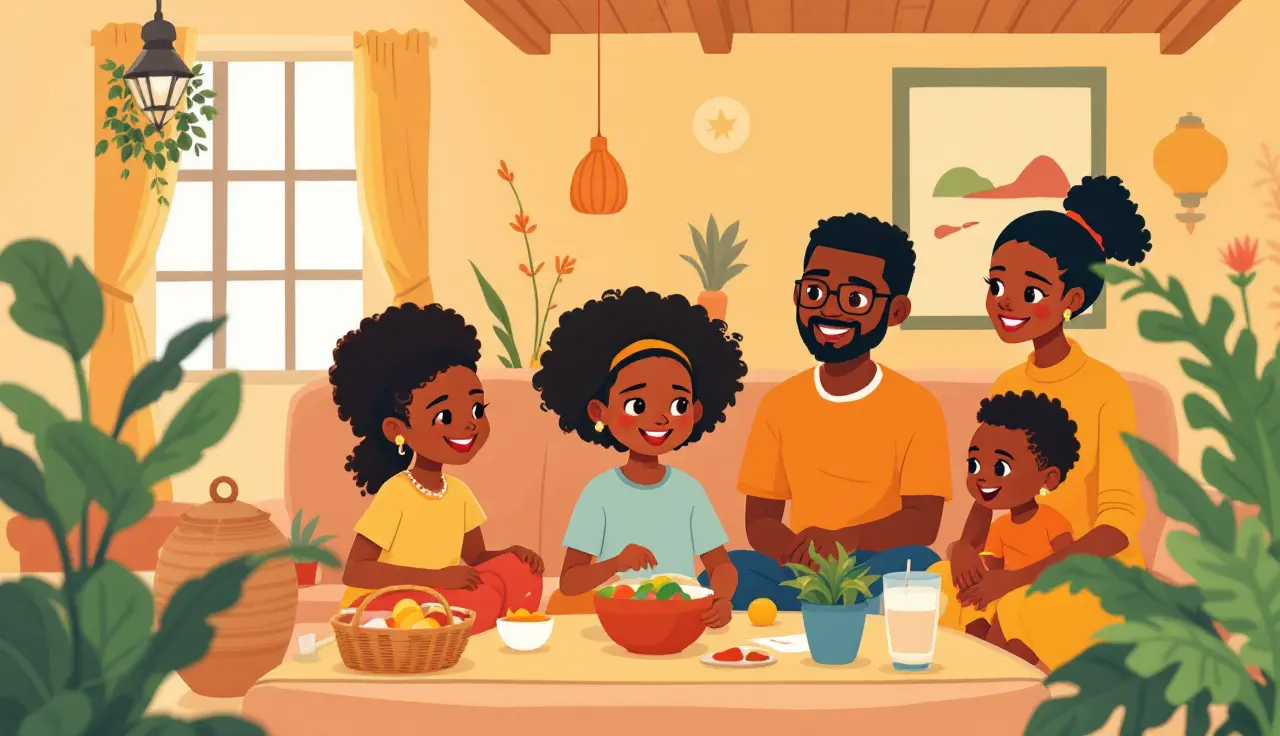
As the sun sets in Chicago, something special begins in the Okeke family’s home. They gather around a screen. Laughter, stories, and colorful outfits fill the evening. But this isn’t just a video call—it’s a virtual African culture night. A grandmother in Lagos tells Igbo folktales. Children in the U.S., dressed in Ankara, listen with wide eyes. This is more than a celebration. It’s a powerful way to stay connected to family and culture.
In today’s world, many African families live far apart. Distance makes it hard to stay close or share traditions. That’s why virtual events have become so valuable. For families raising bilingual kids in places like the United States, these moments help children learn about who they are. Virtual African culture nights break barriers. They allow families to come together from across the world to celebrate their shared heritage.
This guide will help you plan a virtual African culture night that feels real, warm, and unforgettable. Whether you're in New York, Atlanta, or Nairobi, this is your toolkit. We’ll walk through choosing themes, using tech, getting every generation involved, and creating lasting memories.
Start by asking: why are we doing this?
Maybe it’s to reconnect with elders. Maybe it’s to teach children about their roots. Or maybe it’s just to enjoy an evening of music, laughter, and family stories. Setting a clear goal gives your event purpose.
Once the goal is clear, choose a theme that ties everything together. Some families focus on storytelling. Others may explore regional cuisine or traditional dance. Themes like “Folktales from Home” or “African Music Night” give everyone something to look forward to.
Themes help structure the evening while keeping it fun, focused, and meaningful for all ages.
Your tech setup can make or break the event. Choose a platform that fits your family’s needs. Zoom and Microsoft Teams are great for big groups. They allow you to create breakout rooms for smaller chats or family games.
For extra fun, use tools like:
Polls to vote on favorite meals, songs, or games
Quizzes to test knowledge of African countries or flags
Shared slides for showing photos or cultural items
Example: One family created a quiz with questions like “Which country is home to the Kora?” or “What does ‘Ubuntu’ mean?” Prizes made it extra fun.
Keep it simple. Assign a “tech helper” to support family members who might struggle with apps or devices.
Think of everyone. The goal is to include—not exclude—anyone in your family, regardless of age or tech ability.
Make it easy for:
Translate key parts of the event. Add subtitles or prepare a short summary for those who don’t speak the main event language.
An inclusive event makes everyone feel important, even if they’re thousands of miles away.
The more authentic the experience, the more meaningful it becomes. This isn’t about putting on a show. It’s about sharing real culture that matters to your family.
Choose elements that are both fun and real:
Traditional clothes (like kitenge, dashiki, or boubou)
Dance routines from your home region
Favorite dishes (with shared recipes)
Example: One family created a playlist with artists from Kenya, Mali, Nigeria, and Ethiopia. They shared the link ahead of time so everyone could listen before the event.
Let people participate. Invite someone to show how to wrap a gele. Ask a teen to perform a modern remix of a traditional song.
The more personal it feels, the deeper the connection.
Mixing learning with fun makes the evening richer for everyone. Use stories, photos, or short videos to teach about culture in an engaging way.
Ideas include:
A storytelling session with folktales from different regions
A slide deck about family history or historical leaders
Virtual tours of African landmarks or museums
Example: One family used Google Earth to “travel” to their ancestral village. A cousin in Senegal gave a short live tour of the area from his phone.
This isn’t a school lesson—it’s a window into your identity.
The more active everyone is, the better the event feels. Don’t just watch—participate!
Ways to involve everyone:
Culture-themed trivia games
Talent shows (dance, song, poetry, or cooking demos)
“Open mic” sessions where each person shares a favorite memory
Example: One family hosted a dance-off. Each age group got 2 minutes to show off moves to an Afrobeat song. It was pure joy—and full of laughter.
Ask questions. Let everyone speak. Be playful. These moments become the heart of the experience.
You don’t need military precision, but a schedule helps keep things smooth.
Plan ahead:
Send a short agenda ahead of time
Allow time for introductions, games, breaks, and goodbyes
Keep total time under 2 hours to avoid fatigue
Example: A Nigerian-Canadian family split their event into segments: 10 minutes per activity, 5-minute breaks in between.
Balance structure with spontaneity. Some of the best moments are unplanned—but a good schedule helps everyone stay relaxed and involved.
Glitches happen. That’s okay. What matters is how you handle them.
Here’s what helps:
Do a tech test a day before
Assign a “co-host” to help with mics, cameras, and screen sharing
Have a WhatsApp group for emergency messages
Example: A family in Kenya used Zoom for the main event and WhatsApp to check in on elders who dropped off the call. Everyone stayed connected.
Be kind, patient, and flexible. The goal is joy—not perfection.
Kindness and warmth make the night unforgettable.
Add personal touches:
Use family photos as Zoom backgrounds
Start with a welcome video from the kids
End with a song everyone sings together
Example: One family created a welcome banner with everyone’s name. They emailed it so people could print it or display it during the event.
Use icebreakers to get people talking. Ask: “What’s your favorite dish from home?” or “Who knows how to greet in Swahili?”
It’s small things like these that make big emotional connections.
After the event, ask how it went. What did people love? What didn’t work? How can it be better next time?
Ways to collect feedback:
Create a simple Google Form
Ask 3 questions: What was your favorite moment? What would you change? Would you join again?
Example: A Cameroonian family found out their quiz was too hard for younger kids—so next time, they added easier rounds.
Use feedback to keep improving. Every culture night gets better with experience.
Keep the energy going with small follow-ups.
Ideas:
Monthly virtual story hour
Shared photo album of the event
Group chat for sharing recipes, songs, or news
Example: A Tanzanian-American family started a bi-weekly cooking call. They learned how to make ugali together. It became a treasured routine.
Culture night should be a beginning—not a one-time thing.
Memories matter. Save them.
Try:
A digital photo album on Google Drive
A family newsletter or blog with stories and pictures
A unique hashtag to collect social media posts
Example: One family created a digital scrapbook. Each person added a photo and quote from the event. It became a gift they shared on birthdays and holidays.
These small steps help preserve the night’s impact and build a stronger family legacy.
As we close this guide, remember: your virtual African culture night is more than just an event. It’s a bridge across generations. It’s a way to say, “We belong to something beautiful—together.”
Whether you start with one story or one song, it all counts. Don’t aim for perfect. Aim for connected.
Let your family feel seen, heard, and loved.
That’s what culture nights are for.
Start planning now—and let the tradition grow.
Celebrate your roots. Strengthen your bonds. Create memories that stretch across oceans and last for generations.