By Lionel Kubwimana
••13 min read
Learn how to balance English and your native language for bilingual success. Discover strategies for language exposure, cultural retention, and cognitive benefits.
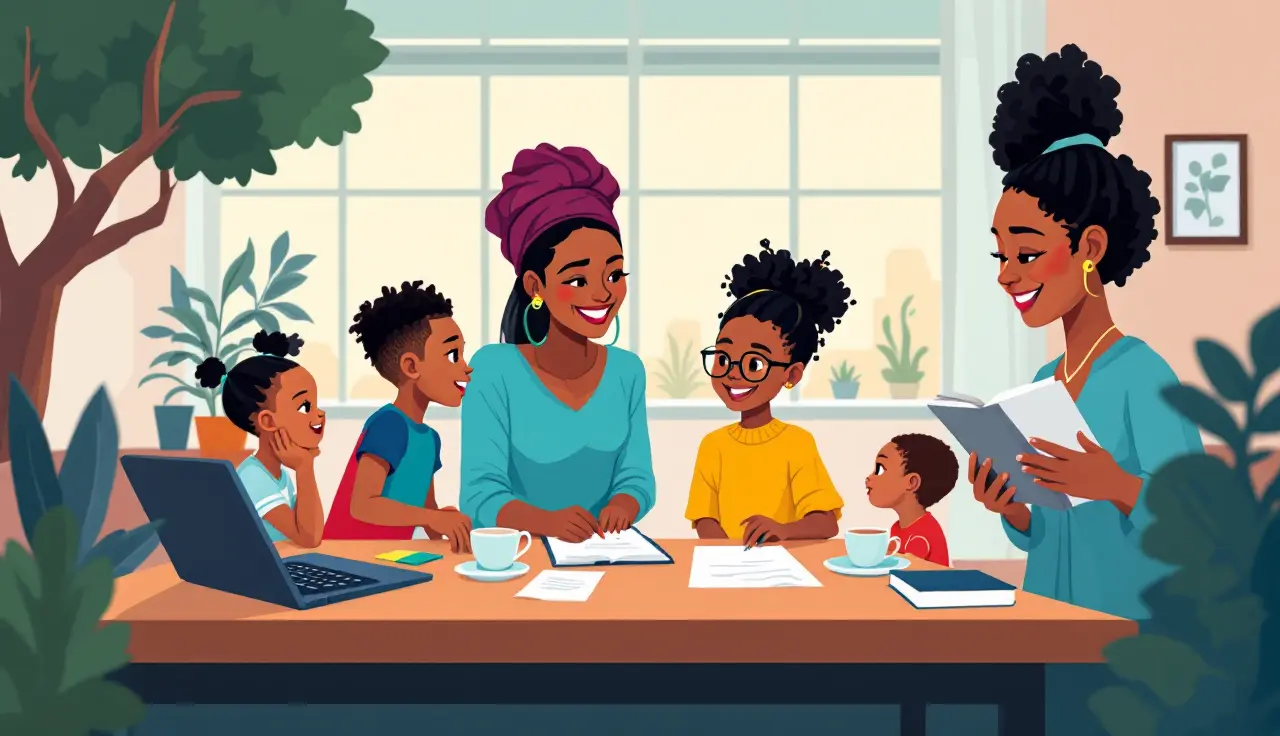
In the heart of a busy city, a Burundian family learns to live with two languages. At home, young Amina uses both Kirundi and English. She switches quickly between her parents’ soft words and the chatter of her school friends. One evening, as she fumbled a Kirundi word, her grandmother’s gentle correction reminded her that language is more than just words. It is the vessel of culture and identity. This touching moment is common in many diaspora families. They struggle to balance English fluency with the preservation of their mother tongue. For these families, keeping the native language is both a challenge and a mission.
In today’s connected world, bilingualism is not just an academic skill; it helps bridge cultures and boost brain power. Yet, many parents worry that exposing children to two languages might confuse them or slow their English. Research, however, shows that bilingual children often excel at problem-solving and have greater empathy. For families of African descent, the challenge is unique: How can children learn to love and keep their rich linguistic heritage while thriving in an English-dominated environment?
This guide explains strategies to achieve that balance. We offer insights from families who have faced similar challenges. You will learn creative ways to use language at home and read real-life success stories that share both triumphs and lessons. We cover topics such as building a language-rich environment, using community support, and practical home language strategies. Join us as we explore how blending English with the mother tongue can lead to balanced bilingualism. This balance keeps cultural roots strong and opens up new opportunities.
Bilingualism gives children many mental and academic advantages. Research shows that bilingual children often do better at tasks that require them to switch attention and manage memories. This happens because their brains work hard to juggle two language systems.
For example, studies by the American Psychological Association have found that bilingual children solve problems creatively and think in new ways. This extra mental exercise helps them at school and in everyday life. When children hear and use both English and their native language each day, they get constant mental exercise. This leads to better overall learning and academic success.
Bilingualism also has strong cultural and social rewards. Children who learn two languages gain a broader view of the world. They learn about different traditions and histories. This dual exposure makes them more tolerant and understanding.
For instance, a family that moved to a new country found that their bilingual children could build friendships easily. Being able to speak two languages allowed them to connect with people from many cultures.
Balanced bilingualism not only builds language skills but also improves social skills. It helps children connect deeply with their own heritage while making them better at interacting with others.
In the global economy, speaking more than one language is a strong advantage. Bilingual people often have more job opportunities and higher earning potential. Data from the Bureau of Labor Statistics shows that bilingual professionals tend to have lower unemployment rates and can earn up to 20% more than those who speak only one language.
For example, imagine a marketing executive who speaks both English and another language. They can work in international markets and reach a broader audience. Encouraging balanced bilingualism from an early age can prepare children for success in a global job market. It is an asset that opens many doors.
Even though bilingualism has many benefits, keeping a balance between two languages can be hard. Often, one language may dominate. In many cases, English becomes stronger because of school, media, and social life. This dominance can lead to language attrition, where the native language fades away slowly.
For example, a child might use English all day at school and only a few words of their native language at home. Over time, the native language may weaken and lose its rich cultural ties.
Parents can help by setting aside special times for the native language and planning activities that celebrate their culture. These practices help preserve the mother tongue and maintain balance.
Balancing two languages is not only about learning words; it is also about feelings and identity. Children can feel stressed or confused when switching between languages. This conflict may affect how they see themselves.
For example, a teenager might feel torn between speaking English at school and using the native language at home. This inner conflict can lead to feelings of isolation and shame. It may make them feel that they do not fully belong to either culture.
Open and honest family discussions about language and identity can help ease this stress. When children are encouraged to speak both languages, they learn that both are important. This conversation builds self-confidence and helps them feel proud of who they are.
Many parents worry about raising bilingual children. They fear that two languages might confuse their child or delay their language development. However, research shows that bilingual children often reach language milestones at the same pace as monolingual children.
Some parents also worry that using only English at home will help their children succeed. Studies and real-life examples, however, show that balanced bilingualism boosts cognitive skills and cultural empathy. Once parents understand this, they feel more confident in supporting both languages.
Practical strategies such as using bilingual books, media, and incorporating both languages into daily routines help overcome these fears. With the right approach, balanced bilingualism becomes an advantage rather than a problem.
Balanced bilingualism improves brain function. Studies show that children who learn two languages perform better at tasks that require switching attention and managing information. The ability to switch between languages builds stronger mental pathways and enhances creativity.
For example, bilingual children are often better at solving puzzles and coming up with unique solutions to problems. This cognitive flexibility benefits them in school and in everyday life. Regular practice in both languages gives their brains a constant workout, preparing them for future success.
Learning two languages opens a window to different cultures. When children use both English and their native language, they gain a richer understanding of traditions and histories. They learn to appreciate unique customs, idioms, and stories from each language.
For instance, a family that moved from Spain to Canada found that keeping Spanish at home helped the children understand their heritage. They learned about traditional celebrations, family history, and cultural values that they might otherwise forget.
This dual exposure makes children more open-minded and respectful of differences. It builds cultural awareness, a key skill in our diverse world.
Bilingualism also boosts social skills. Children who speak two languages can interact with a broader range of people. They can make friends from different communities and learn to communicate across cultures.
For example, a child who speaks both English and their native language can connect with peers who speak other languages as well. This ability builds confidence and empathy. Social interactions in bilingual settings help children feel included and understood.
The social benefits of bilingualism extend beyond language. They help build a strong sense of community and belonging.
In today’s global market, bilingualism is a valuable skill. People who speak two languages often have more job opportunities and higher salaries. They can work in international companies and communicate with clients across the world.
Data from the Bureau of Labor Statistics shows that bilingual workers are in high demand. They tend to have lower unemployment rates and can earn significantly more than those who speak only one language.
Balanced bilingualism gives children a head start. When they grow up with strong skills in both English and their native language, they are better prepared for international careers. This advantage leads to more job opportunities and financial rewards.
Balancing English and the mother tongue is a major challenge for many bilingual families. Parents often wonder: How much should kids speak their native language? This is a crucial question. If one language becomes too dominant, the other may fade away. For example, in an English-speaking community, a child may use mostly English at school. Over time, the native language might be used less, leading to a disconnect from cultural roots.
Research shows that balanced exposure to both languages is best. A study by the American Psychological Association found that children with balanced bilingualism are more flexible thinkers. Parents must plan carefully to share language time at home, keeping both languages strong.
To balance both languages, parents need to create a language-rich home. Here are some practical ideas:
Research shows that regular, structured practice in both languages leads to better skills and stronger cultural ties. Parents can adjust the balance as needed so that neither language is lost.
Many families have shown that these strategies work. For example, the Martinez family in Canada preserved their French heritage while embracing English at school. They set clear rules for speaking French at home and joined cultural events. Their children grew up fluent in both languages and later enjoyed many career opportunities.
In New York, a community initiative created a language exchange program for families. They held workshops and met other bilingual families. Parents and children shared tips, played language games, and celebrated cultural festivals together. This support network made a big difference.
These real-world examples prove that with careful planning and teamwork, balanced bilingualism is achievable.
Parents have a strong influence on how children see their native language. Some parents believe that speaking only English will help their children succeed in school and work. This belief can make children feel that their heritage language is less important.
However, many parents make great efforts to keep their native language alive. They speak the language at home, tell stories, and celebrate traditions. For instance, a Ghanaian family in Canada may speak only Twi on weekends. Interviews with parents show that when adults value their native language, children feel proud of it too. Studies confirm that parental support is key to keeping a language alive.
Siblings play an important role in language use at home. Older siblings often serve as role models. If an older sibling stops using the native language, younger ones might do the same. But if older siblings use their heritage language proudly, it encourages younger children to follow.
Differences in language skills can come from many factors. Older children might have learned more of the native language before moving, while younger ones may pick up mostly English at school. This gap can cause tension and lead to a loss of the native language.
Parents can help by organizing activities where siblings practice together. When siblings support each other, they build a shared cultural identity.
Bridging generations through language is an important way to preserve cultural identity. When grandparents share stories in their native language, it connects the older and younger generations. For example, a Zimbabwean family in Australia might hold regular storytelling nights. Grandparents tell traditional tales in Shona, passing down history and values. This sharing builds strong family bonds and makes children feel proud of their heritage.
Programs that connect grandparents with youth through language lessons have shown positive results. These interactions give children a personal link to their culture. Studies show that intergenerational language sharing boosts self-esteem and cultural pride.
Many African diaspora children face language bullying at school. For instance, a 10-year-old named Kofi in the U.S. was teased for speaking Twi. This bullying can make children feel that their native language is not good enough, leading them to reject it. Research shows that children with strong cultural ties have higher self-esteem. By addressing the root causes of language shame, we can help children feel proud of their heritage.
Here are some simple ideas to bring back language pride:
When these strategies work together, children become more confident and proud of their native language.
Many families have overcome language shame by working together. One family held weekly language nights. At dinner, they spoke only in their native language. Over time, the children’s skills improved, and even the parent who did not speak well learned some words. Another family joined a local language club. They met other families, practiced together, and shared tips. These examples show that careful planning and teamwork help keep the native language alive.
Parents strongly influence how children view their language. Some believe that using only English will help their children succeed, but this can lead to a loss of cultural pride. Other parents make sure to use their native language at home, even in an English-dominant country. When parents value their language, children learn to feel the same.
Siblings also matter. When older siblings use the native language, younger ones follow. If older siblings stop using it, the language may fade. Parents can organize activities that encourage all siblings to speak the language together.
Connecting generations through language can help preserve cultural identity. When grandparents share stories and traditions, it strengthens family bonds and builds pride. This sharing makes children feel connected to their heritage.
Balanced bilingualism gives a strong advantage in careers. In a global job market, speaking two languages opens many doors. For example, a marketing executive who speaks both English and another language can work in international markets. Data shows that bilingual professionals often have lower unemployment and higher salaries. Some studies say bilingual workers earn up to 20% more than those who speak only one language.
Bilingual individuals adapt better in international environments. They can navigate cultural differences and work well with colleagues from various backgrounds. For instance, a project manager who speaks both Spanish and English can bridge cultural gaps in Latin America. This adaptability is key for career growth and advancement.
Encouraging balanced bilingualism from a young age prepares children for future success in a global economy.
Maintaining a balance between English and the native language is essential for preserving cultural identity. The mother tongue is a vessel for heritage and traditions. It connects children to their roots by teaching them family history, customs, and values.
Regular use of the native language at home strengthens family bonds. When families use their mother tongue, they share unique expressions and traditions that are passed down through generations. Even in an English-dominant society, keeping the native language alive at home helps preserve cultural heritage.
Parents should plan how to balance both languages using structured routines, bilingual resources, and community support. This balanced approach benefits academic and career prospects and nurtures a deep sense of identity.
Raising a bilingual child in a mixed-language home is a journey full of challenges and rewards. We have explored why many African diaspora kids may feel ashamed of their native language. Historical factors, migration pressures, media stereotypes, and school environments all play a part in creating a cultural identity crisis.
Colonial legacies made European languages seem better. Migration and assimilation pressures force children to use the dominant language to fit in. Media stereotyping can make native languages seem unworthy. And schools that ignore language diversity add to the problem.
However, many practical solutions exist. Schools can reform curriculums to include African languages. Teachers can learn to support all languages. Community organizations can offer language classes and cultural events. Parents can use daily routines—like storytelling, songs, and meals—to keep their native language alive. Advocacy groups can push for policies that support bilingual education.
Real-world success stories show that change is possible. Many families have reclaimed language pride. Public figures who speak their native languages inspire young people to be proud of their heritage. Global networks help children connect with others who share their language, reducing isolation and building confidence.
The key is working together. Educators, parents, community leaders, and public figures must join forces to create a safe and supportive environment. This collaboration helps children embrace their cultural identity, boosts self-esteem, improves school performance, and preserves a deep connection to their heritage.
As you begin your journey of family language planning, remember that every small step matters. Set clear goals, celebrate each achievement, and make language learning a fun, regular part of your daily life. Involve everyone in the family—even if one parent is not fluent in the target language—so you can work together as a team.
Imagine a future where every child grows up proud of their native language—a future where cultural diversity is celebrated in schools, on TV, and in communities. With hard work and support, that future is possible.
Let this guide be your roadmap. Embrace the challenges with hope and determination. Every moment spent learning together builds a stronger bond. Every story told in your native language keeps your culture alive. Your efforts today will shape a future where language is a bridge to understanding and pride.
Together, you can overcome obstacles and build a lasting legacy of bilingualism. Your child will grow up with two strong languages, a deep connection to their roots, and the confidence to succeed in the world. Cherish every step of this journey. Celebrate your victories and keep moving forward. In doing so, you will create a home where your native language is honored and your heritage lives on for generations to come.